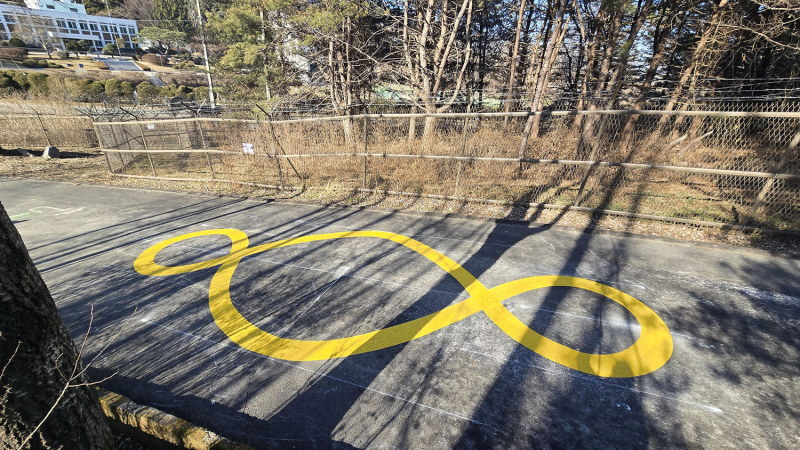
제3의 낙원 DMZ는 예술을 사회적 책임과 공동의 변화를 위한 촉매제로 삼는다는 미켈란젤로 피스톨레토의 예술 비전에 뿌리를 두고 20년 이상 펼쳐져 온 장기적인 예술적 여정의 결과물이다.
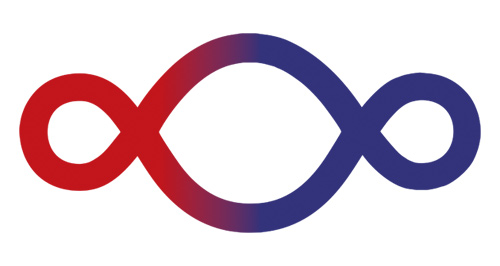
제3의 낙원 상징은 자연과 인공, 개인과 집단, 갈등과 공존이라는 상반된 힘 사이의 균형을 나타내는 상징으로, 2003년부터 전 세계에 등장했다. 이 상징이 한국 비무장지대(DMZ)에 인접한 옛 군사기지인 캠프 그리브스에 등장한 것은 특별한 의미가 있다. 비무장지대가 분리와 가능성이 공존하는 장소이기 때문이다.
피스톨레토 치타델라르테 재단, 주한이탈리아문화원, 그리고 캠프 그리브스의 협력으로 완성된
제3의 낙원 DMZ는 정적인 기념물이 아닌, 참여와 기억, 그리고 시간에 걸쳐 펼쳐지는 하나의 과정으로 구상되었다. 이 프로젝트의 시작은 2025년 9월 29일과 30일, 캠프 그리브스의 옛 탄약고 안에 만들어진 참여형 설치 작품
제3의 낙원 - 미래를 재건하는 기억이었다.
제3의 낙원 DMZ: 한국의 실천민주주의 참여자들이 압축지 세 장 위에 빨강, 파랑, 검정 잉크로 변화를 위한 명제, 그에 대한 반대 명제, 그리고 가능한 미래를 상상하는 종합적인 생각을 적었고, 36미터 길이 삼베 밧줄로 바닥에 만들어 놓은 세 개의 서로 연결된 원, 즉
제3의 낙원 상징에 이들을 묶었다. 개인적이면서도 집단적인 생각들을 의식적인 행위로 묶는 퍼포먼스였다. 퍼포먼스가 진행됨에 따라 밧줄은 살아있는 기록 보관소로 변모했다. 매듭 하나하나에는 만남이 담겨 있었고, 메시지 하나하나에는 기억, 긴장, 그리고 희망이 겹겹이 쌓여 있었다. 한국의 전통인 기와 불사와 서낭당 오색 끈을 떠올리게 하는 이 행위는 돌봄과 책임감의 순간이 되었다. 역사적으로 침묵과 분리로 점철된 비무장지대(DMZ) 안에서, 이 퍼포먼스는 개개인의 목소리가 집단적인 형태 속에서 공존하는 대화의 공간을 만들어냈다.
제3의 낙원 - 미래를 재건하는 기억은 단순히 밧줄이나 상징에 존재하는 것이 아니라, 행위 그 자체에 존재했다. 참여가 매개체가 되었고, 공존이 그 내용이 되었다.
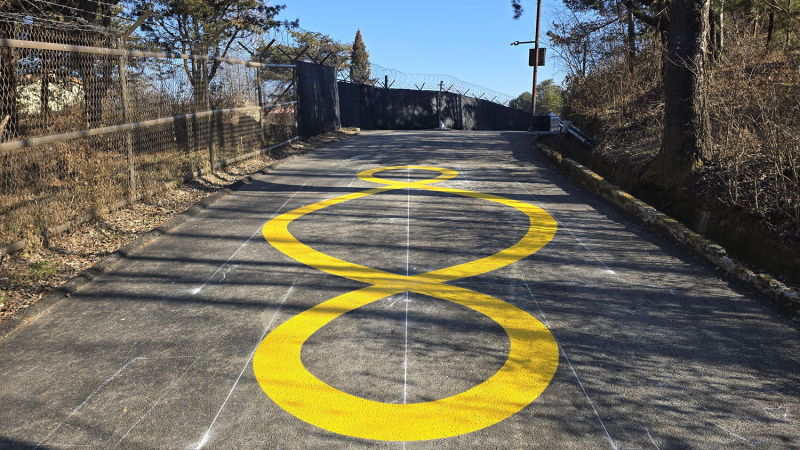
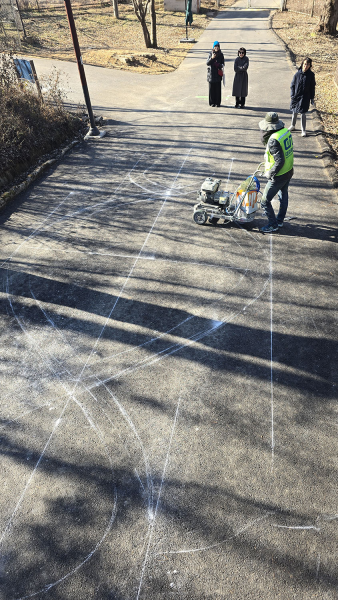
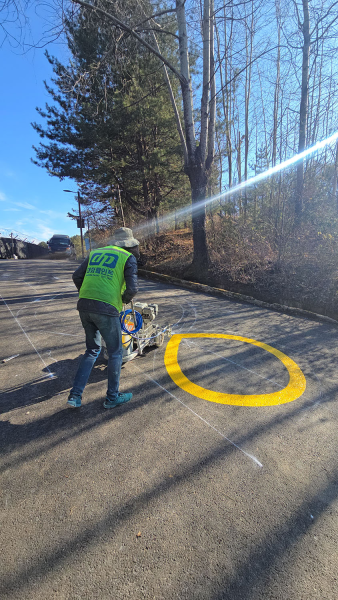
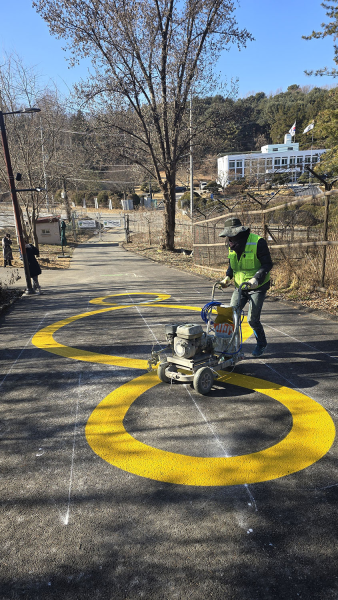
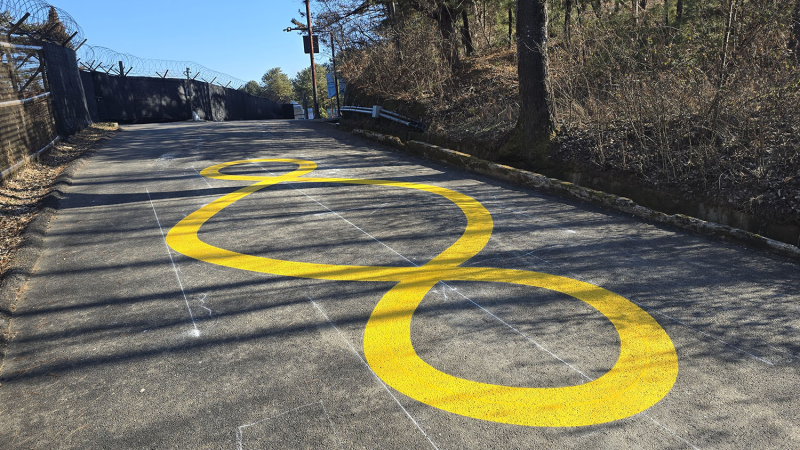
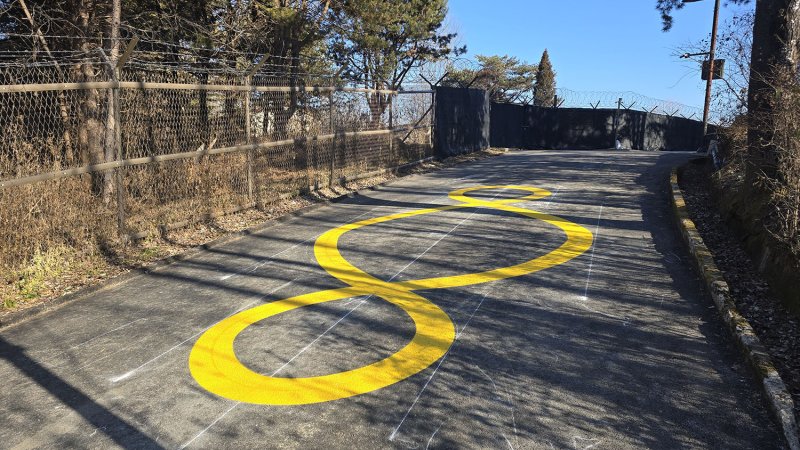
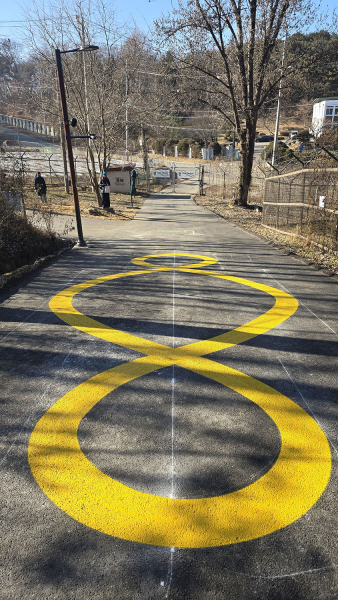
이 임시적인 행위에 이어 영구 설치물이 만들어졌다. 2025년 12월, 제3의 낙원 상징이 캠프 그리브스의 옛 군용 도로에 새겨지면서 프로젝트는 풍경 자체로 확장되었다. 땅에 직접 그려진 세 개의 원은 방문객들이 그 형태를 따라 걸으며 대립에서 균형으로 나아가는 과정을 직접 체험하도록 이끌어준다. 한때 밧줄로 묶여 있던 것이 이제 랜드아트로 펼쳐지며, 개방적이고 영구적인 모습으로 남겨진다. 작품 제3의 낙원 DMZ (Third Paradise DMZ, 2003–2025, 영구 설치) 는 참여와 기원의 기억을 계승하면서 미래를 향해 나아간다. 평화를 최종 상태가 아니라 지속적인 과정임을 이해하고 공동의 책임으로 실천해 가는 민주주의(Demopraxy)의 현장이다. 분열로 점철된 장소에서, 이 작품은 의미를 재건하고, 기억을 행동으로 전환하며, 공존의 가능성을 열어두는 예술의 능력을 보여준다.
사진 리카르도 바를로코
영상 정소익
설치 세기안전 (김민수)
Third Paradise DMZ is the result of a long-term artistic journey that unfolds across more than two decades, rooted in Michelangelo Pistoletto’s vision of art as a catalyst for social responsibility and shared transformation. Since 2003, the
Third Paradise symbol has been activated worldwide as a sign of balance between opposing forces: nature and artifice, individual and collective, conflict and coexistence. Its arrival in the Korean Demilitarized Zone carries particular resonance: the DMZ stands as a place where separation and possibility exist side by side.
The project took form at Camp Greaves, a former military base adjacent to the DMZ, through collaboration between Fondazione Pistoletto Cittadellarte, the Italian Cultural Institute in Seoul, and Camp Greaves. Within this context,
Third Paradise DMZ was conceived not as a static monument, but as a process, one that would unfold through participation, memory, and time. This process was first activated through the participatory performance
Third Paradise DMZ - Memories to Rebuild the Future held on 29 and 30 September 2025 inside a former power magazine at Camp Greaves. A 36-meter hemp rope was laid out on the floor, forming the three interlinked circles of the
Third Paradise. Visitors were invited to become active contributors to the work. Each participant received three sheets of pressed paper and was asked to write, in red, blue, and black ink, a thesis for change, an opposing antithesis, and a synthesis imagining a possible future. These written reflections, personal yet collective, were then tied to the rope in a shared, ritual gesture. As the performance unfolded, the rope transformed into a living archive. Every knot marked an encounter; every message added a layer of memory, tension, and hope. Echoing Korean traditions of inscribed tiles and prayer ribbons, the act of tying became a moment of care and responsibility. Within the DMZ, historically defined by silence and separation, the performance created a space of dialogue, where individual voices coexisted within a collective form.
Third Paradise DMZ - Memories to Rebuild the Future did not reside solely in the rope or the symbol, but in the act itself: participation became the medium, and coexistence its content.
From this temporary action emerged the decision to establish a permanent installation. In December 2025, the Third Paradise symbol was inscribed onto a former military road at Camp Greaves, extending the project into the landscape itself. Painted directly on the ground, the three circles invite visitors to walk the form, physically experiencing the passage from opposition to balance. What was once bound by rope now unfolds at an architectural scale, open and enduring. Titled Third Paradise DMZ, 2003–2025, Permanent Installation, the work carries forward the memory of its participatory origins while projecting them into the future. It stands as a site of demopraxis, a shared practice of responsibility, where peace is understood not as a final state, but as an ongoing process. In a place shaped by division, the artwork affirms art’s capacity to rebuild meaning, transform memory into action, and hold open the possibility of coexistence.