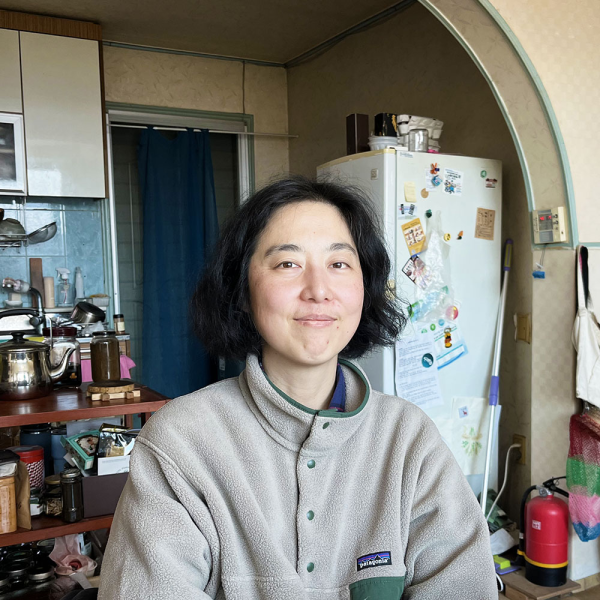
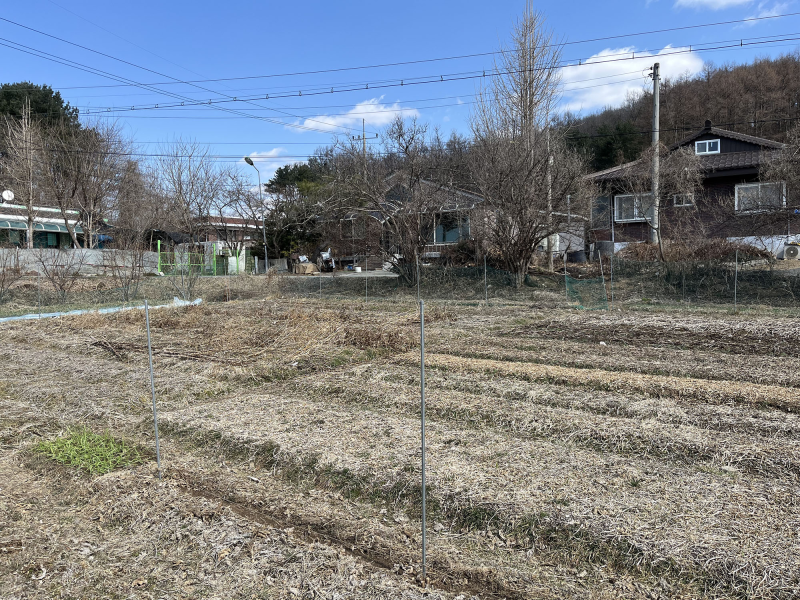
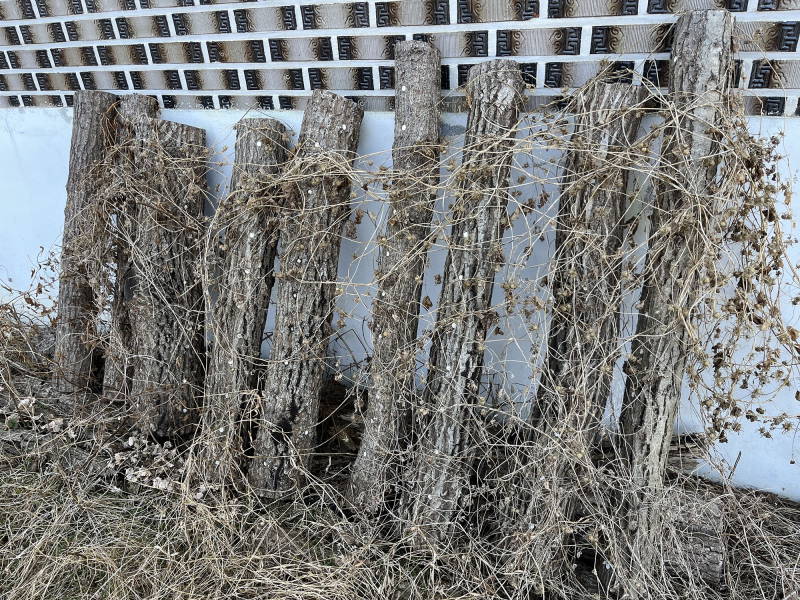
안정화, 2026. 3. 13. @ 경기도 양평
Jeonghwa An, March 13, 2026 @ Yangpyeong-gun, Gyeonggi-do
about
종합재미농장 | AmusebyFarm궁금했던 사람들을 만날 수 있었다
저희와 비슷한 영역에 있는 사람들이 궁금했습니다.
송하텃밭정원연구소에서 참여한다고 해서 더 마음이 끌렸어요. 너무 궁금했거든요. 농사가 땅에 묶여 있는 일이다 보니 어떤 계기가 생겨서 연결 고리가 만들어지지 않으면 다른 분들을 만날 기회가 잘 없습니다.
라이스브루잉시스터즈클럽도 궁금했는데 포럼에서 만날 수 있었습니다.
정만철 님은 포럼에서 알게 되었고 그 후에 농업 관련 행사에 가서 몇 번 뵈었습니다. 만남이 계속 이어지니 놀라웠죠.
공동체 농사
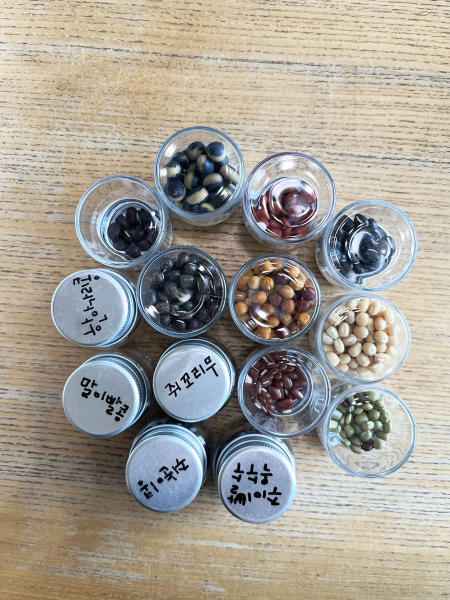
저희는 양평에서 종합재미농장이라는 이름으로 농사를 짓고 있어요. 토종 씨앗을 중심으로 이어가는 씨앗을 심고 거둡니다. 처음에는 다른 농부님들께 씨앗을 조금씩 나눔 받아서 시작했습니다. 처음부터 이렇게 많지는 않았어요. 처음에 4~5가지 받아서 심어보고, 그다음 해에 또 5~6가지 받아서 심어보고, 이렇게 조금씩 늘려온 게 지금 어느 정도 자리를 잡았습니다. 지금은 주로 저희 씨앗으로 농사짓고 있습니다.
그리고
양수리 두물뭍농장에서는 농사 안내자로 일하며 다른 사람들과 함께 농사를 짓습니다. 두물뭍농장은 두물뭍농부시장 대표님이 내어주신 공간입니다. 보통 농부 시장에 관심 있는 사람은 먹거리에도 관심이 있고, 또 농사나 농부에게도 관심이 많거든요. 농부 시장을 매개로 만나는 사람들과 농사를 지어보자고 제안하셨습니다. 여기에서 도시 소비자들이 실제로 농사를 경험하면서 농사에 어떤 노력이 드는지, 다양한 작물이 어떻게 자라고 어떻게 끝나는지 모든 생애과정을 지켜볼 수 있으면 좋겠다는 생각이었어요. 최근에는 인스타를 통해 모집하고 있어요.
두물뭍농장은 개인에게 분양하는 텃밭이 아니고 농장을 다 같이 운영하는 공동체 농장입니다. 농사계획도 같이 세우고 새롭게 심고 싶은 작물에 관한 이야기도 나누고요. 전체 작업 흐름이나 시기에 맞는 농사 계획 같은 건 제가 짜지만 계획은 미리 공지하고 농장에 오면 계획에 맞춰 같이 일합니다. 매주 화요일, 토요일마다 만나 철에 맞춰서 해야 하는 작업을 함께하고, 작물을 수확하면 판매도 합니다. 내부 판매도 하고 외부 판매도 하고, 그 수익으로 농장에 필요한 소모품, 도구 등을 삽니다.
농사는 진짜 참담한 노동이지만 엄청난 특권이다.
농사지은 지 10년 차입니다. 만 9년 됐고 올해 열 번째 농사를 시작하고 있습니다. 농사가 힘이 안 든다고 하면 거짓말이에요. 예전에 『빅매직』 (엘리자베스 길버트, 2015)이라는 책에서 “예술은 참담한 노동이며 동시에 엄청난 특권이다”라는 문구를 보고 농사도 너무 똑같다고 생각했었습니다. 농사는 진짜 참담한 노동이지만 엄청난 특권이라고 생각합니다. 일 하나하나마다 몸이 너무 고된데 그 안에서 발견하는 뭔가에 마음을 뺏기게 되는 것 같아요. 처음에는 그냥 뭐가 자란다는 게 너무 신기했고, 그다음에는 그걸로 뭘 해 먹는 게 너무 재미있었고, 지금은 토종 씨앗에 마음을 많이 뺏겨 있습니다.
토종 씨앗의 이름 같은 것에서 발견하는 재미가 있습니다. 토종 조 중에 개발차조라는 게 있는데, 이삭 끝이 서너 가닥으로 동그랗게 갈라져서 개 발바닥처럼 생긴 것을 옛날 어르신들이 농사를 지으면서 개 발바닥을 닮았다고 이렇게 이름 붙였을 거예요. 정말 그렇다고 사람들이 공감했으니까 그 이름이 계속 유지가 됐을 거고요. 그런 것이 너무 귀엽고, 재밌습니다.
콩의 옛 이름들도 정말 입에 착 붙습니다. 그런데 그 이름들이 많이 소실되고 있어요. 우리나라에서는 용도에 따라 메주와 장을 담는 장콩, 밥할 때 먹는 밥밑콩, 콩나물을 만드는 나물콩이 있고, 약성에 있어서 약으로 먹는다는 약콩, 떡 만드는 고물콩, 이런 식으로 다양하게 구분하고 있지만 지금은 다 모르잖아요. 저도 몰랐던 거고, 지금 모르는 사람들도 아주 많고. 두류가 매우 세분되어 있고 우리 일상에 가까운 다양한 먹거리인데 많이 잊히고 있습니다. 이런 것들을 알아가면서 큰 재미를 느껴요.
농사의 순환성이 변하고 있다
농사가 현대화되면서 눈에 보이는 상품의 경제성에 집중되고 있어요. 눈에 잘 보이지 않는 연결성은 잊혀 가고 있다고 할까요. 전에 짚풀공예를 하는 농부님께 들은 건데, 짚풀공예를 할 때 토종 볏짚이 좋다고 합니다. 토종 벼는 최근에 많이 키우는 개량종 벼보다 키가 아주 큽니다. 키가 큰 벼는 비바람에 잘 쓰러지니까 지금의 벼는 키가 작게 개량되었죠. 키가 큰 토종 볏짚은 길이가 길어서 새끼를 꼬면 매듭이 별로 안 생기고 짚공예 하기 너무 좋았답니다. 그런데 지금 벼는 키도 작은데 콤바인으로 벼를 베면서 밑동을 10cm 정도 남기니 볏짚이 더 짧아지고 매듭이 많이 생겨서, 짚공예 하기가 어렵다고 해요. 전에 비해 지금 벼가 수확량이 많고, 기계로 작업하면서 농부가 편해지고, 더 많이 경작할 수 있고, 수입도 늘고, 좋은 면이 많지만, 한편으로는 인식하지 못하는 사이에 짚공예처럼 사라지는 부분이 있는 것이죠.
채소꾸러미 보내기, 먹는 방법과 함께
매달 10개의 채소꾸러미를 내보냅니다. 올해 첫 꾸러미는 3월에 나가는데, 겨우내 저장해뒀던 호박 말린 것, 콩과 들깨 골라둔 것 등이 나갑니다. 매월 제철 채소를 보내면서 소비자들이 이것들을 어떻게 먹으면 좋을지 많이 고민해요. 저희가 키우는 토종 씨앗들은 왠지 전통적인 먹거리를 만들어야만 할 것 같이 생각되어서요. 호박을 말릴 때 일부러 더 얇게 썰어서 말려서 밥할 때 넣을 수 있도록 하거나 팥으로 샐러드를 만들도록 알려준다든가. 채소를 조리하는 방법이나 바로 먹지 않으면 냉동 보관하는 방법처럼 최대한 잘 먹는 방법들을 편지로 안내합니다. 쉬운 일은 아니지만 이런 일들이 관계를 만든다고 생각해요. 해마다 많이 변하지 않는데도 저희 꾸러미를 몇 년 계속해서 구매하는 사람들이 있는 걸 보면 저희와 꾸러미 소비자가 뭔가를 같이 만들어가고 있는 것 아닐까요.
인터뷰, 편집 정소익
I Met People I Was Curious About
I was curious about people in similar fields to ours. I was even more drawn to the forum when I heard that the
Songha Garden Lab was participating. I was just so curious. Since farming is work that keeps you tied to the land, unless a catalyst arises and a connection is made, there are rarely opportunities to meet others. I was also curious about the
Rice Brewing Sisters Club, and I was able to meet them at the forum. I got to know Mr.
Manchul Jung at the forum, and since then, I have met him a few times at agriculture-related events. I was surprised to find that our encounters continued.
Community Farming
We farm in Yangpyeong under the name AmusebyFarm. We plant and harvest seeds that are preserved through a process centered on heirloom varieties. We initially started by receiving small amounts of seeds shared by other farmers. We didn't have this many from the beginning. We planted four or five varieties at first, then another five or six the following year, and gradually expanded our collection until we are now somewhat established. Currently, we mainly farm using our own seeds.
Also, at
Dumul-mut Farm in Yangsu-ri, we work as farming guides and farm alongside others. Dumul-mut Farm is a space provided by the representative of the Dumul-mut Farmers' Market. People interested in farmers' markets are usually interested in food, as well as farming and farmers themselves. He suggested that we try farming with the people we meet through the farmers' market. The idea was that it would be wonderful if urban consumers could actually experience farming here, observe the entire life cycle of crops—how they grow and how they eventually die—and see the effort involved. Recently, we have been recruiting through Instagram.
Dumul-mut Farm is not composed of farming plots allocated to individuals, but a community farm where we all operate together. We plan our farming activities together and discuss new crops we want to plant. While we design the overall workflow and seasonal farming schedule, we announce the plans in advance, and when we arrive at the farm, work together according to those plans. We meet every Tuesday and Saturday to perform seasonal tasks together, and we also sell our harvested crops. We engage in both internal and external sales, using the profits to purchase necessary supplies and tools for the farm.
Farming Is Truly “a Crushing Chore and a Wonderful Privilege”
We are in our tenth year of farming. It has been nine full years, and we are starting our tenth season this year. It would be a lie to say that farming isn't physically demanding. I once read a passage in the book Big Magic (Elizabeth Gilbert, 2015) that stated, "Art is a crushing chore and a wonderful privilege," and I thought farming was exactly the same—farming is indeed grueling labor, but it is also a wonderful privilege. My body is exhausted with every single task, but I become captivated by something I discover within it. At first, I was simply fascinated by the fact that things were growing; then, I found it incredibly fun to cook and eat what I made from them; and now, I am deeply captivated by heirloom seeds.
There is a certain joy in discovering things like the names of heirloom seeds. Among the heirloom millet varieties, there is one called Gae-bal-cha-jo (dog-paw-sticky millet). Its tips of the ears split into three or four round strands, resembling a dog's paw. I believe past elders named it this way because it looked like a dog's paw while they were farming. The name likely persisted because it genuinely resonated with the people. I find things like that charming and amusing.
The old names for beans are also incredibly catchy. However, many of those names are disappearing. In Korea, beans are classified in various ways depending on their use—such as jang-kong for making meju (a dried, fermented soybean brick) and soy sauce, bap-mit-kong (cooked rice-below-bean) for cooking with rice, and namul-kong for making bean sprouts, as well as yak-kong for its medicinal properties and gomul-kong for making rice cakes. But nowadays, most people don't know any of these. I didn't know them either, and there are still many people who are unaware. Legumes are highly specialized and represent a diverse range of foods close to our daily lives, yet many of them are being forgotten. I find great joy in learning about these things.
The Cyclical Nature of Farming Is Changing
As farming becomes modernized, the focus is shifting toward the economic value of visible products. It seems that the less visible connections are being forgotten. A farmer who practices straw craft once told me that native rice straw is ideal for this craft. Native rice grows much taller than the improved varieties widely cultivated today. Since tall rice tends to fall over easily in strong winds and rain, current varieties have been bred to be shorter. Because the strands of tall native rice straw are long, they rarely form knots when twisted into ropes, making them excellent for straw craft. However, modern rice is not only short but also difficult to work with because combine harvesters leave the base about 10cm, resulting in shorter straw strands and many knots. Compared to the past, rice yields are now higher, and with the use of machinery, farmers are more comfortable, can cultivate more land, and earn more income; there are many advantages, but on the other hand, there are certain practices that are disappearing without people realizing it, such as straw craft.
Sending Vegetable Bundles Along with Eating Guides
We send out ten vegetable bundles every month. The first bundle of the year is scheduled for March, featuring dried pumpkins stored throughout the winter, as well as carefully selected beans and perilla seeds. As we send seasonal vegetables every month, we give a lot of thought to how consumers might best prepare and enjoy them. This is because the heirloom seeds we cultivate somehow seem to call for more traditional foods. For instance, we slice the pumpkins thinner so they can be added easily to rice, or we suggest making salads with red beans. We provide guidance via letters on how to consume the vegetables in the best way possible, such as cooking methods or how to freeze them if not eaten immediately. It is not an easy task, but I believe these efforts build relationships. Seeing that there are people who continue to purchase our bundles for years despite the fact that the vegetables haven't changed much year after year, we can’t help but think and we and our consumers might be creating something together.
Interview, edited by Soik Jung
English editing by Alice S. Kim