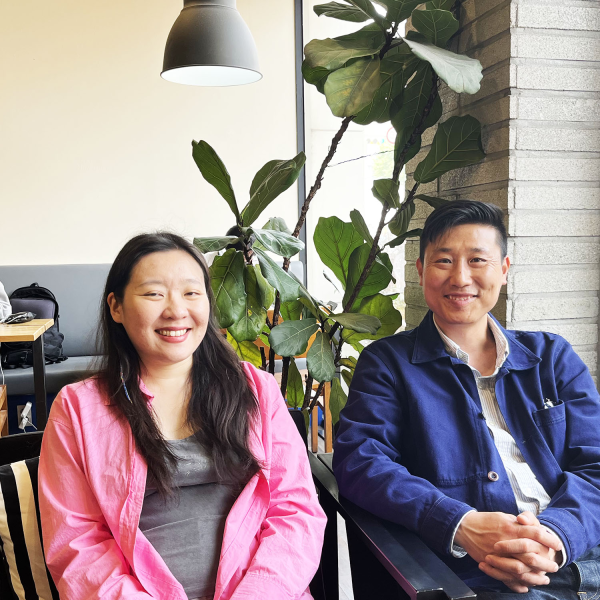
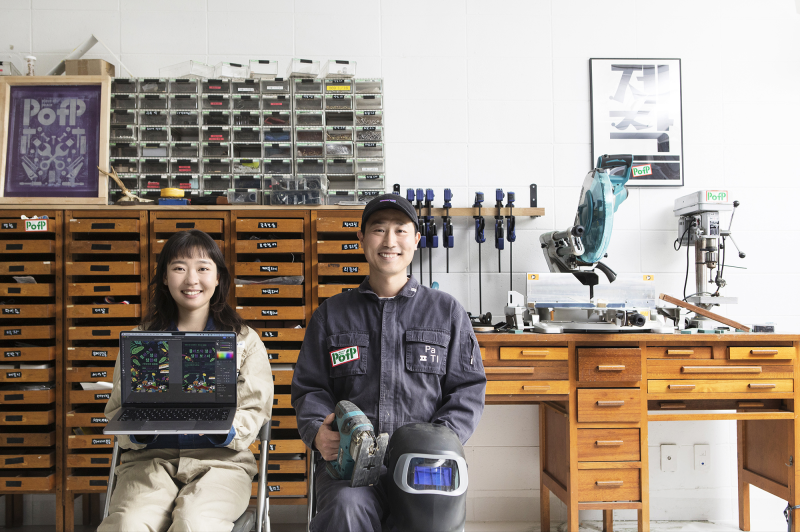
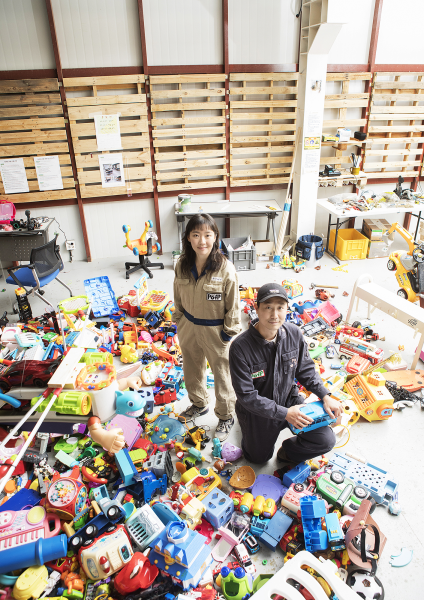
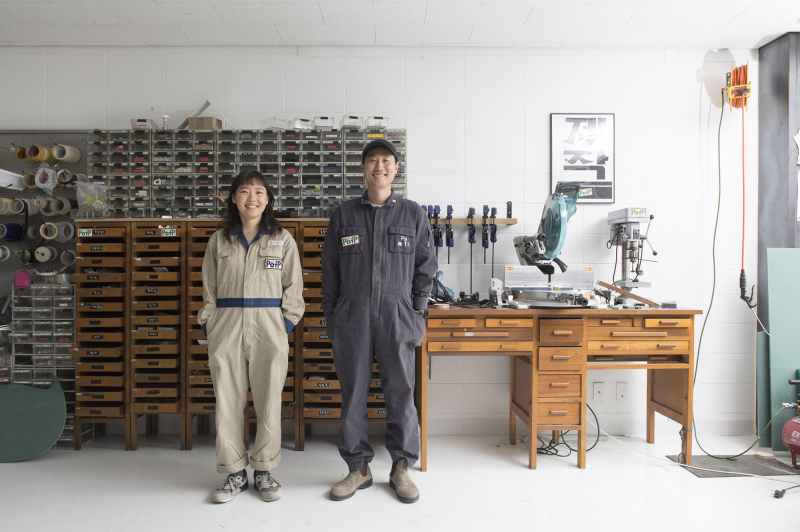
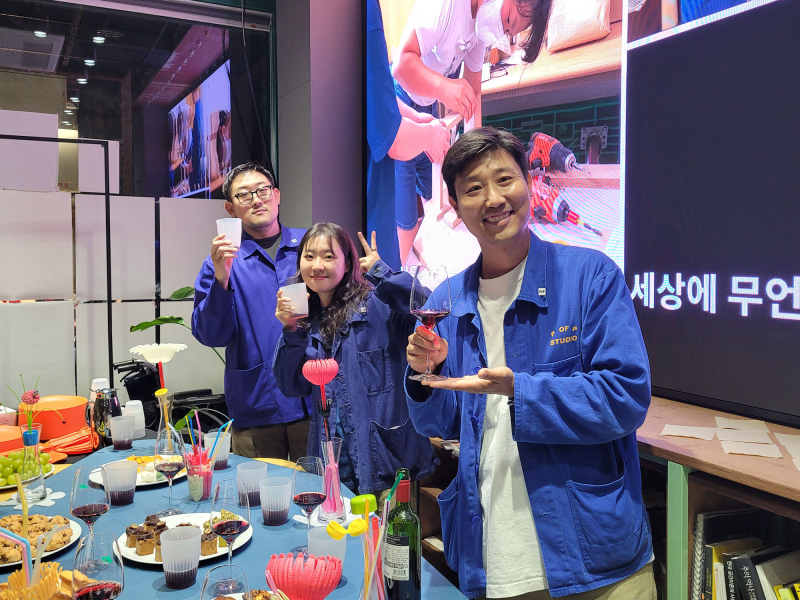
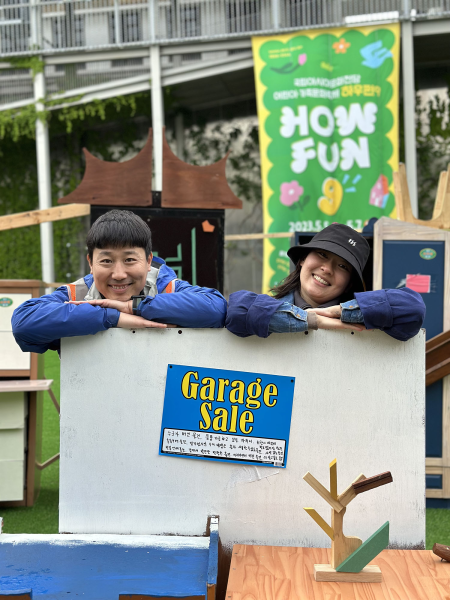
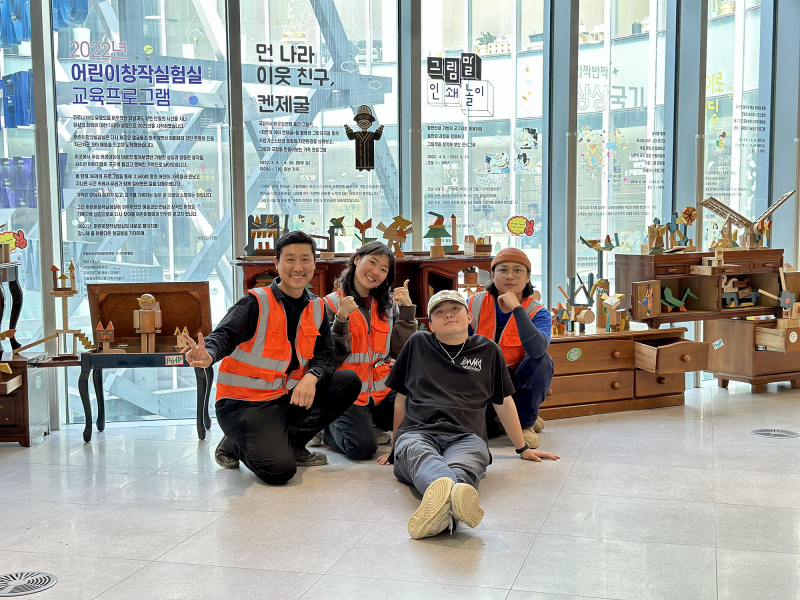
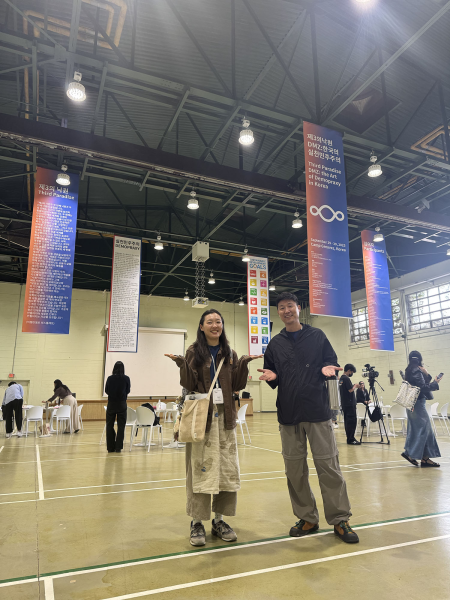
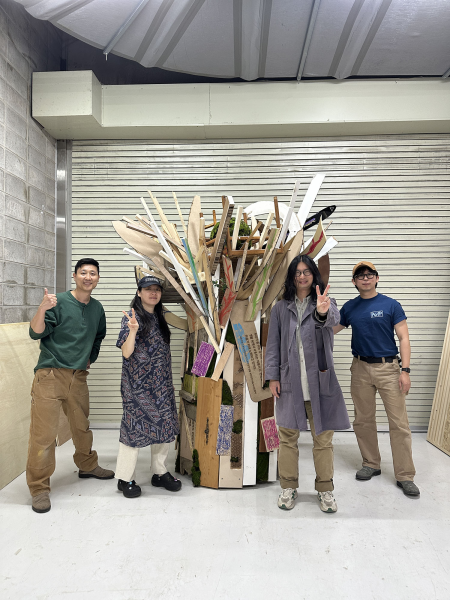
천근성, 이연우, 2026. 4. 21. @ 서울 용산구
Geunsung Chun, Yeonu Rhee, April 21, 2026 @ Yongsan-gu, Seoul
about
피스오브피스 | Piece of PeaceDMZ를 더 직접 접했으면 좋았겠다는 아쉬움 포럼에 참여하면서 DMZ를 간다는 기대감이 있었습니다. 전망대를 간다든가, 접경지역을 걸어본다든가, 그런 활동이 있을 거라는 기대가 있었는데, 없어서 약간 아쉬움이 있어요. 평화, DMZ의 평화라는 주제를 몸소 느끼고 이야기하거나 활동했으면 좋았겠다는 아쉬움이죠. 그리고, 우리 활동이 토론으로 끝난 것도 아쉬웠습니다. 첫날 이야기한 것들이 다음 날 뭔가로 발현되는 모양새였으면 어땠을까, 작게나마 어떤 프로젝트로 보여줄 수 있었으면 좋았겠다고 생각해요. 물론 치타델아르테와 퍼포먼스도 했지만, 주어진 과업을 수행하기보다 더 공동으로 하는 프로젝트, 함께 시너지를 만들며 하는 공공예술이었으면 더 좋았을 겁니다.
서로 다른 관점을 가진 이들이 섞여 이야기하며 네트워크가 만들어지다
사실 하루 만에 뭔가를 만들어내기 쉽지 않습니다. 서로 너무 달라서 더 그래요. 같은 테이블에 있는 사람들이 DMZ를 바라보는 관점도 매우 달랐는데, 관광상품이나 산업으로 보는 사람도 있었고, 저는 하나의 문화로 보고 DMZ를 어떻게 하면 좋을까를 이야기했고요, 제발 그냥 내버려둬라 같은 입장을 가진 이도 있었습니다. 이렇게 서로 다른 생각을 유지하면서 열심히 토론을 이어갔습니다. 결론이 나지 않고, 결론을 내고자 하지도 않았죠. 서로를 파악하는 시간이었습니다. 다른 분야에 있는 사람들과 한 테이블에서 어떤 주제에 관해 이야기한다는 게 굉장히 소중한 경험이 되었습니다. 일정 끝나고 밤에 수다 나눈 것도 재밌었습니다. 다른 테이블에 있는 이들도 알게 되었죠. 궁금한 것들 서로 물어보고, 알아가고. DMZ에 혹해서 갔는데 네트워킹이 자연스럽게 이루어졌습니다. 이게 포럼에서 가장 크게 남은 것이에요.
두 번째 포럼을 더 재미있고 의미 있게 만들기 위한 아이디어들을 던져 보았다!
1. 포럼이 열리는 지역의 장소성에서 출발하는 포럼
첫 포럼이 DMZ에서 열리고 DMZ가 상징하는 경계와 평화를 주제로 이야기 나눈 것처럼, 두 번째 포럼이 열리는 용산의 장소성을 기반으로 프로그램을 만들 수 있을 겁니다. 예를 들어
용산 다크 투어를 함께한 후에 노숙자나 미군기지 이전과 정화, 용산 참사 등에 관련한 주제를 잡아 이야기 나누면 훨씬 빠르게 심도 있는 토론을 시작할 수 있지 않을까요.
이 경우, 주한이탈리아문화원, 치타델아르테와 포럼 참여자 간 상호작용을 어떻게 할지 생각해 보았으면 좋겠습니다. DMZ는 한국 사람들에게도 생소한 경험이었지만 용산은 한국인들에게 훨씬 더 익숙한 장소입니다. 만약 용산을 하나의 팀북투처럼 ‘구경’하고 나서 이탈리아 측이 만든 틀에 따라 한국 참여자들만 용산 관련 주제를 토론한다면, 하달된 지침을 우리가 그냥 수행해 주는 느낌을 피하기 어려울 듯합니다. 그다지 유쾌한 형식은 아니겠지요. 그들이나 이탈리아의 예술가, 시민 활동가 등도 토론에 참여해서 우리의 경험에서 뭔가를 배우고, 우리에게 관련한 뭔가를 보여주고, 그러면서 우리와 함께 뭔가를 느끼고 나누는 적극적인 상호 교류가 있으면 좋겠습니다.
2. 한국-이탈리아 공동 테이블 구성
첫 번째 아이디어의 연장선에서, 가능하다면, 한국에 있는 이탈리아인들 중에 관련 활동을 하는 사람, 공공 영역에 있는 사람 등도 포럼에 초청하여 한국인 참여자와 함께 테이블을 구성하면 어떨까요. 언어의 벽이 있을 테고, 비교적 얕고 더 국제적인 문제를 다룰 수밖에 없겠지만, 한국의 포럼 참여자와 이탈리아 측이 수평적인 관계를 맺고 진정한 교류를 지향할 수 있을 것입니다. 그 반대는 한국 참여자들의 모임을 그들이 온전히 후원하는 그림일 수 있습니다. 어떤 것이든 다 완벽할 순 없으니, 선택의 문제겠지요.
3. 몰입형 게임 방식 개발
지난 포럼에서 그림책이 이야기의 물꼬를 트는 매개체였던 것처럼, 이번에는 포럼 장소 자체가 참여자들의 소통을 북돋우는 도구가 되게 할 수도 있겠습니다. 몰입형 공간을 만들어서요. 토론 테이블과 주제를 미리 지정하고 정해진 참여자들끼리 이야기 나누는 정적인 방법 대신, 입체적인 설치물, 예를 들어 오징어 게임처럼 문이 여러 개 있어서 참여자들이 드나들면서 무작위로 매칭되고 토론하고 발표한다든지, 2D 게임판 같은 것을 개발해서 바닥에 놓고 참여자들이 게임을 하면서 주제와 짝을 찾도록 한다든지. 사람들이 몸을 움직이면서 상호작용 워밍업을 하고 소통에 빨려 들어갈 수 있게 하는 몰입형 설치를 준비하는 방법입니다.
4. 가상의 디스토피아를 제시하고 이를 극복할 무언가를 함께 만들어 보기
이 경험에 빗대어, 기후 위기와 같은 현재의 사회문제를 반영하는 가상의 극단적인 디스토피아를 설계하고 이를 함께 극복하기 위한 무언가를 공동 작업으로 만들어 보는 프로그램이 가능해 보입니다. 가상의 디스토피아는 치타델아르테와 협업으로 만들어 볼 수 있을 거예요. 3분 정도의 시각 자료를 만들어 참여자들에게 세계관을 설명해 주고, 참여자들은 다섯 팀으로 나뉘어 그 세계관에서 우리가 모두 공생하는 데 필요한 무언가를 상상하고 만들어 봅니다. 피신처일 수도 있고, 이동 수단일 수도 있고, 공동생활에 필요한 운영 규정이나 시행령일 수도 있겠죠. 건식 텃밭을 설계해 볼 수도 있고요. 각자의 분야에서 간단한 결과물을 만들어 발표하고 다 함께 토론합니다. 팀마다 예술가들이 하나씩 들어가는 것도 좋겠어요.
인터뷰, 편집 정소익
Regret Over Not Having Experienced the DMZ More Directly
When we participated in the forum, we had high expectations of visiting the DMZ. We anticipated activities such as visiting an observatory or walking through the border region, but we were a little disappointed that these did not happen. We wish we could have more directly experienced, discussed, or engaged in activities related to the themes of peace in the DMZ. It was also regrettable that our activities ended with just a discussion. We wonder what it would have been like if the things discussed on the first day had manifested into something the next day, or if we could have presented them through some kind of project, even on a small scale. Of course, we did perform with Cittadellarte, but rather than simply carrying out assigned tasks, it would have been better if it had been a more collaborative project—public art created while building synergy together.
Networks Are Formed When People with Different Perspectives Mingle and Talk
In truth, it is not easy to produce something in just one day. It is even more so because everyone is so different. The people at our table had very different views on the DMZ; some viewed it as a tourism product or industry, while we viewed it as a culture and discussed how best to handle it, and there were those who took the stance that we should just leave it alone. We continued our discussion diligently while maintaining these differing viewpoints. We did not reach a conclusion, nor did we intend to. It was a time to get to know each other. It was a very valuable experience to sit at the same table and discuss a specific topic with people from different fields. It was also fun chatting at night after the scheduled events ended. We got to know people at the other tables as well. We asked each other questions about things we were curious about and got to know one another. We participated in the forum because we were drawn to the DMZ, but the networking happened naturally. That is what remains most with us from the forum.
We Have Thrown Out Some Ideas to Make the Second Forum More Interesting and Meaningful!
1. A Forum Starting from the Locality of the Forum Venue
Just as the first forum was held at the DMZ and discussed the themes of boundaries and peace symbolized by the DMZ, we could create a program based on the locality of Yongsan, where the second forum will be held. For instance, if we take the
Yongsan Dark Tour together and then discuss topics related to homelessness, the relocation and cleanup of U.S. military bases, or the Yongsan tragedy, we would be able to start an in-depth discussion much faster.
In this case, we would like to consider how to facilitate interaction between the Italian Cultural Institute in Seoul, Cittadellarte, and the forum participants. While the DMZ was an unfamiliar experience even for Koreans, Yongsan is a much more familiar place. If we merely "tour" Yongsan like it were Timbuktu and then have only Korean participants discuss Yongsan-related topics according to a framework created by the Italian side, it would be difficult to avoid the feeling that we are simply carrying out instructions handed down from above. It would not be a very pleasant format. We hope there will be active mutual exchange where participants, as well as Italian artists and civic activists, all take part in the discussion to learn from our experiences, introduce relevant insights, and in doing so feel and share something together.
2. Formation of a Korea-Italy Joint Table
As an extension of the above, if possible, how about inviting Italians in Korea who are involved in relevant activities or work in the public sector to the forum to form a table alongside Korean participants? Although there will likely be language barriers and the topics will inevitably be shallower and more international, this would allow Korean forum participants and the Italian side to establish a horizontal relationship and pursue genuine exchange. If not, conversely, it could become a scenario where the Italians end up fully sponsoring just a gathering of Korean participants. Nothing can be perfect in any case, so it comes down to a matter of choice.
3. Development of Immersive Game Methods
Just as picture books served as a medium to kickstart the narrative at the last forum, this time, the forum venue itself could become a tool to encourage communication among participants by creating an immersive space. Instead of the static method of pre-assigning discussion tables and topics and having designated participants talk amongst themselves, we could prepare three-dimensional installations. For instance, like the Squid Game, there could be multiple doors through which participants move to randomly match, discuss, and present; or a 2D game board could be developed and placed on the floor for participants to play while finding topics and partners. This involves preparing immersive installations that allow people to move their bodies, warm up for interaction, and be drawn into communication.
4. Envisioning a Virtual Dystopia and Collectively Creating Something to Overcome It
Drawing on this experience, it seems feasible to design a virtual, extreme dystopia that reflects current social issues such as the climate crisis, and to create something collaboratively to overcome it. This virtual dystopia could be created in collaboration with Cittadellarte. We would produce a visual aid of about three minutes to explain the worldview to the participants. Then, the participants would divide into five teams to imagine and create something necessary for us all to coexist within that worldview. It could be a shelter, a means of transportation, or even operational regulations or decrees necessary for communal living. We could also try designing a dry vegetable garden. Each person creates a simple deliverable in their respective field, presents it, and discusses it with others. It would also be good to have one artist in each team.
Interview, edited by Soik Jung
English editing by Alice S. Kim