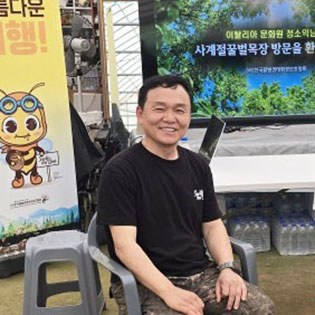
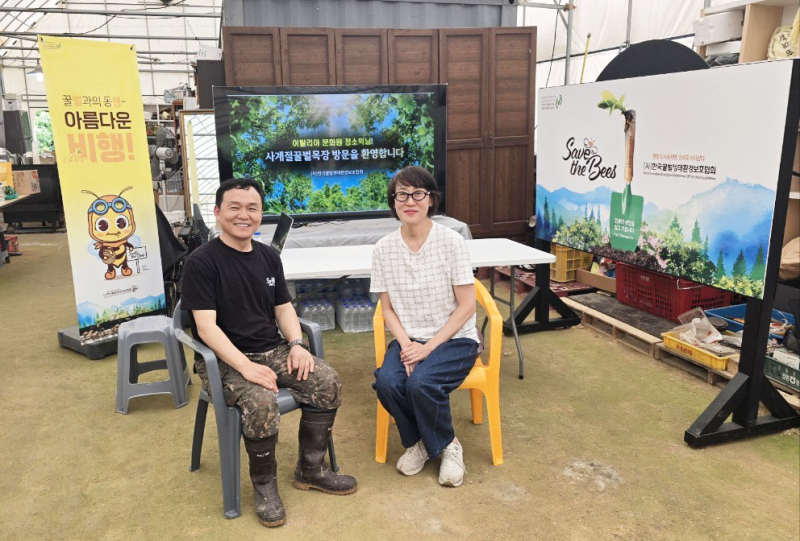
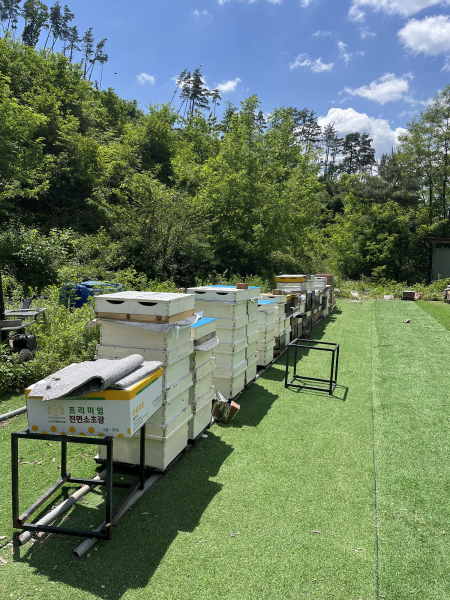
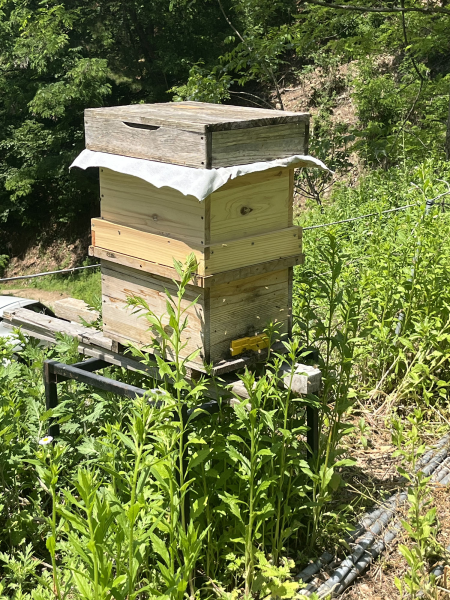
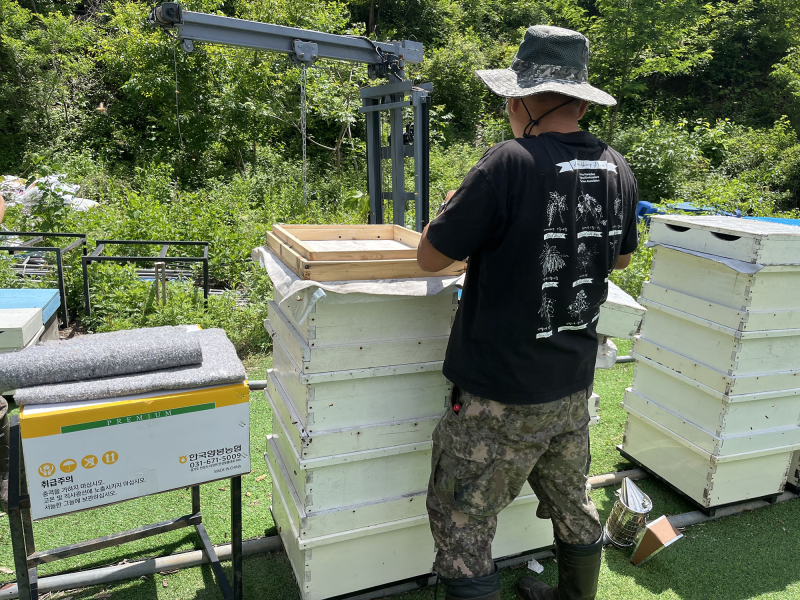
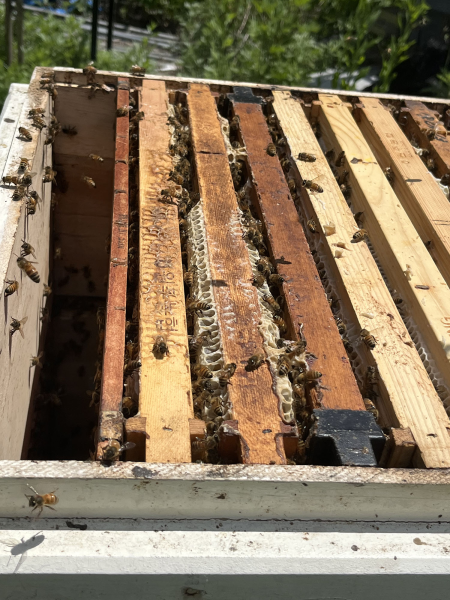
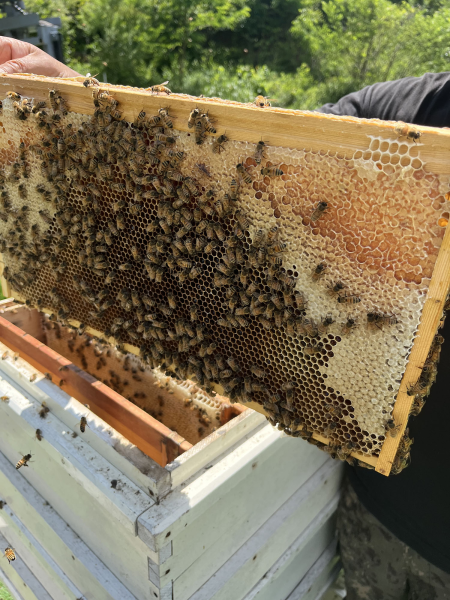
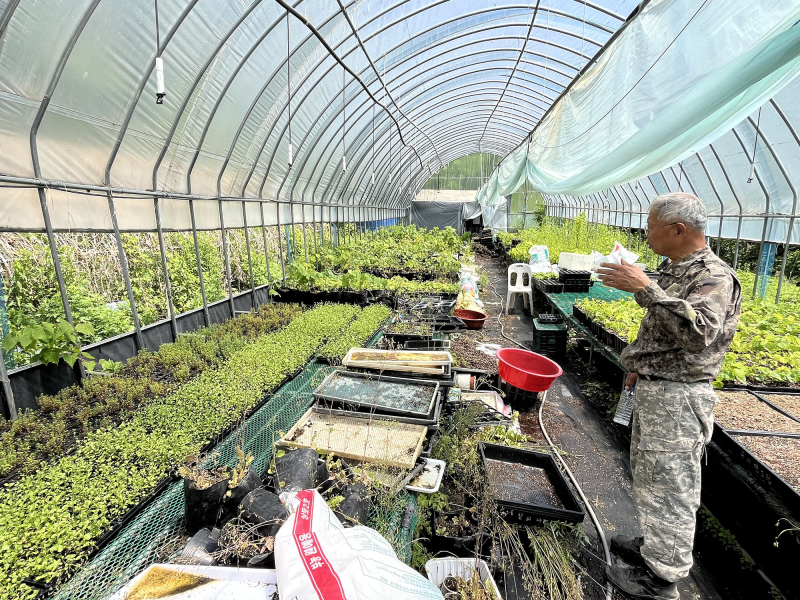
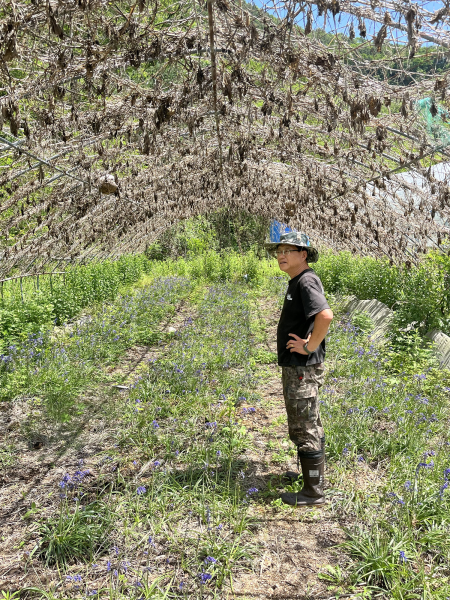
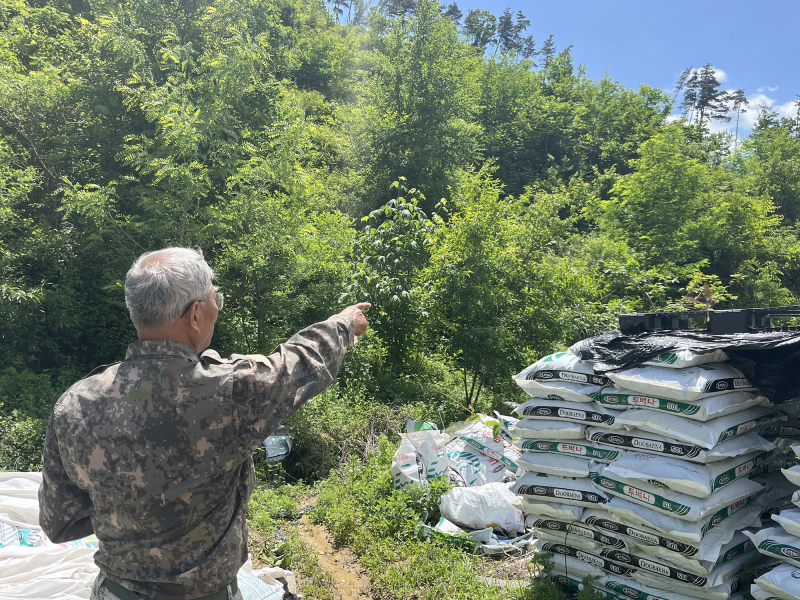
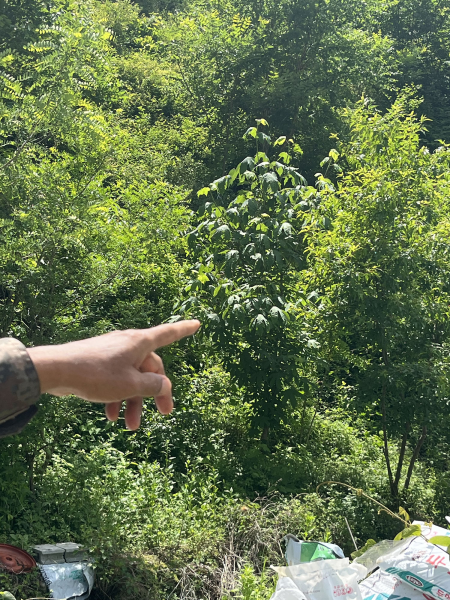
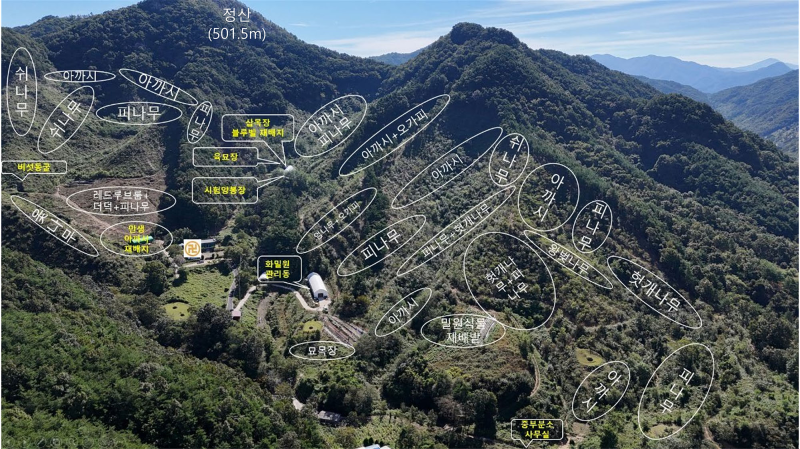
곽영기, 2026. 5. 22. @ 사계절꿀벌목장 (충북 영동군)
Yeongki Kwak, May 22, 2026 @ Four-Season Bee Pasture (Yeongdong-gun, North Chungcheong-do)
about
(사) 한국꿀벌생태환경보호협회 | Korea Honeybee Ecological Environment Protection Association(사)한국꿀벌생태환경보호협회, 은퇴 후 사회 환원을 위한 인생 2막의 장 저는 오랫동안 금융기관에서 근무하다가 은퇴 이후 ‘인생 2막’을 어떻게 살아갈지 고민하던 중에 텃밭 활동을 하면서 지금 (사)한국꿀벌생태환경보호협회(이하, 협회)의 송인택 이사장님을 만나게 되었습니다. 송 이사장은 울산지검장을 끝으로 공직에서 은퇴하고 현재 변호사로 활동하고 있습니다.
처음에는 단순히 밀원수(꿀샘 식물)를 심고 자연을 가꾸는 활동 정도로 생각했는데, 이야기를 들을수록 꿀벌 문제가 단순한 양봉산업의 문제가 아니라 농업생태계 전체와 연결되어 있다는 점에 큰 충격을 받았습니다. 특히 꿀벌이 사라지면 결국 사람의 먹거리 체계도 흔들릴 수 있고, 우리나라에서는 꿀벌이 자연 상태에서 먹이를 구하기 어려워 설탕물에 의존하는 기간이 길다는 현실을 접하면서, 이것은 단순한 취미가 아니라 반드시 누군가는 해야 할 공익적 활동이라고 느끼게 되었습니다.
2021년부터 협회 설립을 추진하고 그 이후 사계절꿀벌목장 조성 작업에 직접 참여했습니다. 밀원수를 심고, 잡목을 제거하고, 묘목을 키우는 활동을 함께하고 있죠. 결국 꿀벌을 위한 일이면서 동시에 미래 세대를 위한 생태환경 복원 작업이라고 생각합니다.
한국 벌꿀 산업의 한계를 밀원식물로 타계하고자 한다
현재 한국 양봉산업은 매우 어려운 구조에 놓여 있습니다. 국내 벌꿀 생산의 대부분이 아까시꽃 개화기에 집중되는데, 실제 개화 기간은 10일 정도에 불과합니다. 이동양봉을 하더라도 실질적인 유밀기간은 2~3주 정도에 지나지 않아요. 나머지 긴 기간은 벌들이 자연 상태에서 충분한 먹이를 구하지 못합니다. 그래서 상당수 양봉 현장에서는 설탕물 공급에 의존할 수밖에 없는 게 현실입니다. 또 기후변화, 이상고온, 긴 장마, 농약 사용 증가 등으로 꿀벌 생존 환경이 급격히 악화하고 있습니다. 특히 개화기에 농약이 살포되면 꿀벌이 안전하게 찾아갈 수 있는 공간 자체가 줄어듭니다. 협회는 이러한 문제의 핵심 원인을 ‘밀원식물 부족’과 ‘설탕 꿀 생산’으로 보고 있습니다. 국내 밀원 면적을 고려한 적정 봉군 수는 140만 군인데, 실제 사육되는 규모는 270만 군입니다. 그만큼 밀원식물이 아닌 설탕물에 의존하고 있는 것이지요. 결국 꿀벌에게 자연 상태의 먹이를 돌려주는 것이 가장 근본적인 해결책이라고 생각합니다.
사계절꿀벌목장
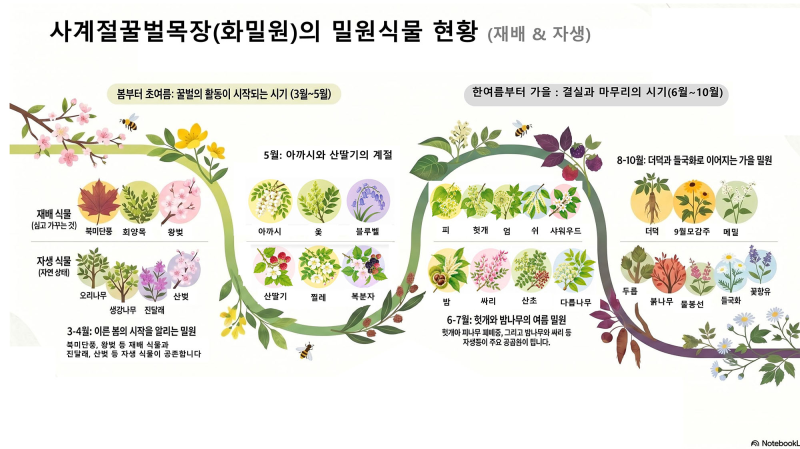
협회는 꿀벌의 먹이가 되는 밀원식물을 연구·보급하고, 건강한 꿀벌 생태환경을 만드는 활동을 하고 있습니다. 대표적인 사업이 충북 영동에 조성 중인 “사계절꿀벌목장”입니다. 이곳은 단순한 양봉장이 아니라, 봄부터 가을까지 서로 다른 시기에 꽃이 피는 밀원식물을 조합해 꿀벌이 연중 자연 먹이를 얻을 수 있는 환경을 실험하는 공간입니다. 여기에서 밀원 숲 가꾸기 행사, 학생 대상 생태체험 교육, 국제학교 강연, ESG 협력 사업, 전문가 세미나, 크라우드 펀딩 등을 진행하고 있습니다. 최근에는 천연 꿀에 대한 신뢰 회복을 위한 천연 꿀 인증 및 경진대회 준비도 추진하고 있어요. 장기적으로는 밀원 숲 조성 기술과 데이터를 축적해 전국적으로 확산할 수 있는 모델을 만드는 것이 목표입니다. 그리고, 국토의 63%가 임야인데 그 70%가 개인 소유여서, 산주들에게 제2, 제3의 사계절꿀벌목장을 제안하려 합니다.
사계절꿀벌목장은 충북 영동의 산골짜기 일대에 조성되고 있습니다. 6개의 계곡과 경사지에 다양한 밀원수를 심고 있어요. 대표적으로 아까시나무, 피나무, 쉬나무, 헛개나무, 옻나무 등을 식재하고 있고, 계절별로 꽃이 이어질 수 있도록 여러 종류의 밀원식물과 화초류를 함께 시험하고 있습니다. 묘목장과 시험 양봉장, 유채 재배지, 연못, 체험학습 공간 등도 함께 운영하고 있습니다. 그러면서 단순히 나무를 심는 것이 아니라 실제로 꿀벌이 얼마나 이용하는지, 어떤 조합이 효과적인지 현장에서 데이터를 축적하며 실험을 진행하고 있습니다.
현재는 기존 소나무 위주의 산림 구조를 조금씩 밀원수와 혼합하는 방향으로 조성하고 있습니다. 아직 국내에 성공 사례가 많지 않아 사실상 하나하나 현장에서 직접 부딪히며 만들어가고 있는 단계입니다. 양봉 전문가의 말에 의하면, 봄부터 가을까지 꽃이 피는 꿀샘 식물들을 한곳에 모아서 심는 경우는 국내에서 유일하다고 해요. 전 세계적으로도 그러한 예를 들어보지 못했다고 합니다.
DMZ와 꿀벌
DMZ는 인간의 개발이 제한되면서 오히려 자연생태계가 잘 보존된 공간이기도 합니다. 저는 꿀벌이 남과 북을 이어주는 가장 평화로운 생명체가 될 수도 있다고 생각합니다. DMZ 폭이 약 4km 정도라는 점(군사분계선을 기준으로 남북한이 각각 2km씩 떨어져 대치 중), 꿀벌의 평균 활동 반경이 2~3km라는 점이 절묘하게 맞물려 있습니다. 생태와 평화의 상징으로서 매우 좋은 소재이지요.
꿀벌은 국경을 인식하지 않습니다. 남북이 각각 DMZ 인근에 밀원 숲을 조성하고 생태환경을 복원한다면, 꿀벌은 자연스럽게 오가며 꽃가루를 옮기고 생태계를 연결할 수 있습니다. 특히 DMZ 일대는 농약과 도시 개발 영향이 상대적으로 적은 지역이 많아서, 장기적으로는 한반도 생태복원의 상징적 공간이 될 가능성이 있다고 생각합니다. 정치나 이념이 아니라 “생태”와 “먹거리”, 그리고 “생명의 연결”이라는 관점에서 접근한다면, 꿀벌은 가장 작은 평화의 메신저가 될 수 있지 않을까 생각합니다.
인터뷰, 편집 정소익
Korea Honeybee Ecological Environment Protection Association: A New Chapter in Life Dedicated to Social Contribution After Retirement
After working at a financial institution for a long time, I was contemplating how to live the "second act" of my life following retirement. While engaging in gardening activities, I met Chairman Song In-taek of the Korea Honeybee Ecological Environment Protection Association (hereafter, the Association). Chairman Song retired from public service after serving as the Chief Prosecutor of the Ulsan District Prosecutors' Office and is currently a practicing lawyer.
Initially, I thought of it simply as an activity of planting nectar-producing trees and tending to nature. However, as I listened to his story, I was deeply shocked to realize that the issue of honeybees is not merely a problem for the beekeeping industry, but is connected to the entire agricultural ecosystem. In particular, upon learning that the disappearance of honeybees could eventually shake the human food system, and that in Korea, honeybees struggle to find food in their natural habitat and have long relied on sugar water, I came to feel that this was not just a simple hobby, but a public service that someone absolutely had to undertake.
I have been working to establish the Association since 2021 and have since directly participated in the construction of the Four-Season Bee Pasture. We are engaged in activities such as planting nectar-producing trees, clearing undergrowth, and growing saplings. Ultimately, I believe this is work on behalf of the bees, and at the same time, an ecological restoration effort for future generations.
We Aim to Overcome the Limitations of the Korean Honey Industry Through Nectar Plants
Currently, the Korean beekeeping industry faces a very difficult structural challenge. Most domestic honey production is concentrated during the black locust blooming season, but the actual blooming period lasts only about 10 days. Even with migratory beekeeping, the actual nectar flow period is limited to just two to three weeks. For the remaining long period, bees are unable to find sufficient food in their natural habitats. Consequently, the reality is that a significant number of beekeeping sites have no choice but to rely on sugar water. Furthermore, the survival environment for honeybees is rapidly deteriorating due to climate change, abnormal high temperatures, prolonged rainy seasons, and increased pesticide use. In particular, when pesticides are sprayed during the blooming season, the very spaces where honeybees can safely find themselves shrink. The Association identifies the core causes of these problems as a "shortage of nectar plants" and the "sugar-based honey production." Considering the area of domestic nectar sources, the optimal number of bee colonies is 1.4 million, but the actual scale of colony rearing is 2.7 million. This indicates a significant reliance on sugar water rather than nectar plants. Ultimately, we believe that returning natural food sources to the honeybees is the most fundamental solution.
Four-Season Bee Pasture
The Association is engaged in researching and distributing nectar plants that serve as food for honeybees, as well as activities aimed at creating a healthy honeybee ecosystem. A representative project is the “Four-Season Bee Pasture,” currently under construction in Yeongdong-gun, North Chungcheong-do. This is not merely a simple apiary; it is a space designed to experiment with creating an environment where honeybees can obtain natural food year-round by combining nectar plants that bloom at different times from spring to autumn. Here, we conduct events such as nectar forest cultivation, ecological experience education for students, lectures at international schools, ESG projects’ cooperation, expert seminars, and crowdfunding. Recently, we have also been moving forward with preparations for natural honey certification and competitions to restore trust in natural honey. In the long term, our goal is to accumulate technology and data for the creation of a nectar forest and develop a model that can be expanded nationwide. Furthermore, given that forest land accounts for 63% of the national territory and 70% of that is privately owned, we intend to propose the establishment of second and third Four-Season Bee Pastures to these landowners.
The Four-Season Bee Pasture is being established in the mountain valleys of Yeongdong-gun, North Chungcheong-do. We are planting various nectar-producing trees across six valleys and slopes. Representative trees include black locust, linden, Chinese elm, hackberry, and the lacquer tree. We are also experimenting with various types of nectar plants and flowering plants to ensure a continuous seasonal bloom. We also operate a nursery, experimental apiary, rapeseed cultivation area, a pond, and an experiential learning space. Furthermore, we are not simply planting trees; we are conducting experiments by accumulating field data to determine how much honeybees actually utilize the trees and which combinations are effective.
Currently, we are developing the forest structure by gradually mixing nectar-producing trees with the existing pine-dominated forest. Since there are not many successful examples in Korea yet, we are essentially building this step-by-step through hands-on experience on the ground. According to a beekeeping expert, planting nectar-producing plants that bloom from spring to autumn in one place is unique in Korea. They also state that no such example has been seen anywhere else in the world.
The DMZ and Honeybees
The DMZ is a space where natural ecosystems are well preserved precisely because human development is restricted. I believe that honeybees could become the most peaceful creatures connecting the South and the North. The fact that the DMZ is approximately 4 km wide (with the two Koreas standing in a standoff 2 km apart along the Military Demarcation Line) and that the average activity radius of honeybees is 2 to 3 km align perfectly. They make excellent subjects as symbols of ecology and peace.
Honeybees do not perceive borders. If the South and North each establish nectar forests near the DMZ and restore the ecological environment, honeybees could naturally move back and forth, transferring pollen and connecting the two ecosystems. In particular, since the DMZ area contains many regions relatively unaffected by pesticides and urban development, I believe it has the potential to become a symbolic space for the ecological restoration of the Korean Peninsula in the long term. If we approach this from the perspective of "ecology," "food," and "the interconnectedness of life" rather than politics or ideology, I believe honeybees could become the smallest messengers of peace.
Interview, edited by Soik Jung
English editing by Alice S. Kim