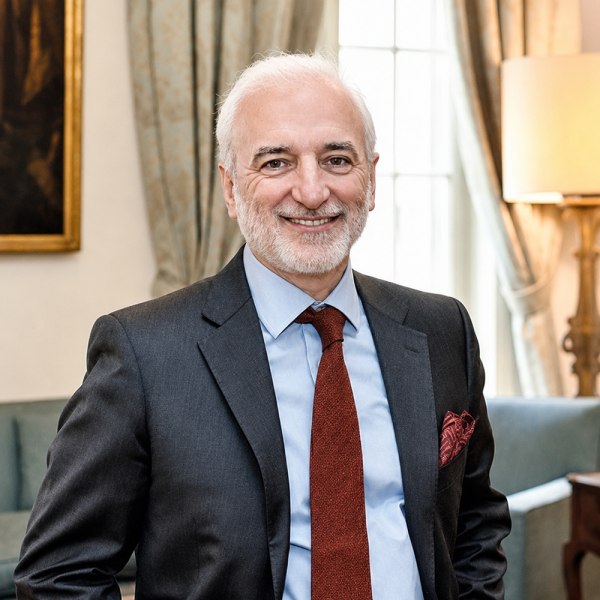
다비데 스칼마니, 2026. 5. 27. @ 서울 용산구
Davide Scalmani, May 27, 2026 @ Yongsan-gu, Seoul
about
주한이탈리아문화원 | Italian Cultural Institute in Seoul(정소익) 작년의 첫 《제3의 낙원 DMZ》은 30개 단체의 시민사회 활동가 40명을 초대하여 진행한 공공예술 프로젝트로, 한국의 사회 이슈를 논의하고, 제3의 낙원 상징을 만드는 참여형 퍼포먼스를 함께 했습니다.
Q1. 첫 《제3의 낙원 DMZ》에 관해 어느 정도 알고 계시고, 어떻게 생각하시는지요
저는 작년에 이루어낸 놀라운 결과에 깊이 감명받았습니다. 첫 《제3의 낙원 DMZ》는 대단한 성공이었고, 무엇보다도 모범적인 사례였다고 생각합니다. 30개 단체에서 온 40명의 시민사회 활동가가 한자리에 모여 활동하는 과정에서 피스톨레토의 “제3의 낙원” 상징이 구체화하여 가는 현장은 단순한 예술적 퍼포먼스가 아니라, 적극적인 시민의식을 보여주는 강력한 행위였습니다. 역사적으로 분열의 장소였던 DMZ가 예술을 통해 재생, 대화, 그리고 대립하는 것들의 통합을 위한 공간으로 해석될 수 있음을 보여주었죠. 바로 피스톨레토 철학의 핵심입니다. 박물관에서 벗어나 ‘사회적 예술 scultura sociale’이 되고 실질적인 변화를 끌어내는 예술 말입니다.
결국 예술적 표현과 사회 변화 사이에는 모순이 없는 것입니다. 예술 외적인 사실에 대한 무관심을 '예술의 진실'의 근간으로 여겼던 '예술을 위한 예술'이라는 역사적 운동조차도 유럽 사회 근대화에 강력한 영향을 미쳤습니다. 예술은 그것이 탄생하고 발전하는 사회적 조건과 항상 밀접하게 연결되어 있음을 보여주었어요.
(정소익) 포럼 참여자 대부분이 전에 주한이탈리아문화원의 활동을 많이 접해보지 못했던 시민사회 활동가이고, 문화원의 활동 영역이 전형적인 ‘예술’에 한정되어 있다고 알고 있었습니다. 그래서인지 많은 참여자가 문화원이 자신들을 초대하여 ‘예술’과 거리가 있어 보이는 포럼을 개최한 것에 대해 놀라움을 표현하기도 했습니다. 그리고 왜 문화원이 포럼을 개최하고 후원하는지 궁금해했습니다 - 문화원으로서 한국의 시민사회 활동에 관심이 있는 것인지, 이탈리아 작가 활동을 지원하기 위해 자신들이 필요했던 것인지, 한이 문화 교류의 일환인지. 저는 그 중간의 균형점이 포럼의 본질이라고 생각하고, 그래서 제3의 낙원 철학을 전파하려는 치타델아르테의 프로젝트와 문화원의 노력이 의미 있다고 생각합니다.
Q2-1. 원장님이 생각하시는 이 행사의 의미는 무엇이고, 어떤 결과를 가져오기를 기대하시는지요
《제3의 낙원 DMZ》의 심오한 의미는 우리 시대의 절박한 요구에 대한 구체적인 해답을 제시할 수 있다는 데 있습니다. 세 개의 원으로 이루어진 피스톨레토의 “제3의 낙원” 상징은 제1 낙원(자연)과 제2 낙원(인공, 기술, 산업 발전) 사이의 완벽한 조화를 보여줍니다. 한국과 이탈리아는 중요한 과제를 공유하고 있습니다. 기술에 점점 더 의존하는 사회에 살고 있지만, 지속가능성, 생태적 균형, 사회적 조화를 재발견해야 할 절실한 필요성을 느끼고 있어요.
올 10월 포럼을 시작으로 계속 진행해 가면서 저는 세대 간에 깊은 영향이 있기를 기대합니다. 이 행사는 가치 중심적 소비와 지속가능성에 매우 민감한, 이른바 MZ세대인 한국 젊은이들이 가지는 뛰어난 시민적 에너지와 디지털 에너지가 이탈리아 예술 철학과 만나는 영구적인 플랫폼이 될 수 있어요. 저는 그 결과가 단순한 이론적 성찰이 아니라, 공유되고 지속 가능한 미래를 위한 아이디어와 실천의 공동 창조가 되기를 기대합니다.
Q2-2. 이 행사를 개최하는 데, 한국 사회에 대한, 치타델아르테에 대한 문화원의 역할은 무엇이라고 생각하시는지요
저는 작년에 일부 참여자들이 왜 놀랐는지 충분히 이해합니다. 문화원은 흔히 ‘정적인’ 또는 박물관식 예술을 홍보하는 데만 전념하는 기관으로 여겨지기 때문이죠. 하지만 이탈리아 문화가 살아 숨 쉬고 중요한 의미를 지니는 이유는 사회에 질문을 던지기 때문입니다. 문화원의 역할은 단순한 후원자나 수동적으로 예술가를 홍보하는 기관이 아닙니다. 관계를 촉진하는 역할을 하고, 일방적인 메시지를 전달하는 것보다 경청하는 것을 더 중요하게 여깁니다.
한국 사회와 관련하여, 문화원의 역할은 발전과 창의적 자유를 위한 열린 공간을 제공하는 것입니다. 그리고 치타델아르테는 이 철학을 지역적 맥락에 뿌리내리게 하는 파트너 기관이고요. 문화원은 이탈리아 모델을 ‘수출’하려는 것이 아니라, ‘함께 지원하는 shared stewardship’ 과정을 활성화하고자 합니다. 즉, 문화원이 제도적 환경 - 본질적으로 자유롭고 보호된 공간을 제공하고, 예술가, 시민, 그리고 한국의 젊은이들이 프로젝트의 내용과 방향을 결정하는 것이지요. 이러한 접점을 찾는 것이 바로 현대 문화 외교의 진정한 본질입니다.
(정소익) 이제 부임하신 지 한 달 정도 되셨습니다.
Q3-1. 문화원장으로서 한국에서 흥미롭게 보신 부분은 무엇인지요
취임 후 첫 한 달 동안 서울의 놀라운 에너지와 독특한 문화적 역동성에 완전히 사로잡혔습니다. 제가 가장 매료된 것은 미래지향적인 기술적 현대성과 고대 전통, 정체성의 핵심이 조화롭게 어우러진 모습, 도시형 “제3의 낙원”이 진화하는 프로토타입이었어요.
하지만 저에게 가장 큰 감명을 준 것은 한국의 젊은 세대가 보여주는 활력입니다. 높은 수준의 시각 교육, 세심한 주의력, 미적 감수성, 그리고 내면 성찰을 위한 공간에 대한 탐구는 이곳의 젊은 관객들을 모든 최첨단 문화 프로젝트에 있어 이상적인 파트너로 만들어 줍니다.
Q3-2. 앞으로 중점적으로 하시고 싶은 프로젝트가 있으신가요
저의 목표는 한국의 가장 권위 있는 예술계에 확고히 자리매김하여 현대 이탈리아 창의성의 다채로운 스펙트럼을 선보이는 것입니다. 《제3의 낙원 DMZ》 포럼 외에도, 주목할 만한 협업 프로젝트를 통해 젊은 세대와 지역 예술계에 직접적으로 다가가려 합니다.
가장 주목할 만한 협업으로는 예술과 산업의 경계를 허문 급진적인 디자인 선구자 가에타노 페쉐의 전시를 들 수 있습니다. 이러한 파괴적인 에너지에 더하여 곧 조르조 모란디의 섬세하고 미니멀한 작품을 선보일 것입니다. 오늘날 젊은이들이 탐구하는 균형에 밀접한, 진정한 "시각적 명상"이라 하겠습니다. 이어서, 산드로 보티첼리도 준비하고 있습니다. 상징적이고 시대를 초월하는 아름다움이죠.
프리즈 서울과 광주 비엔날레 참가를 통해 주요 국제 예술계와의 연결고리를 강화하고, 클래식, 재즈, 현대 음악을 아우르는 다채로운 프로그램을 통해 많은 음악 애호가와 소통을 이어갈 것입니다. 6월에 있을 바이올리니스트 도메니코 노르디오의 콘서트가 그 시작이에요. 문화원은 끊임없이 진화하는 문화 생태계이자 함께 미래를 만들어가는 열린 공간이 되고자 합니다.
인터뷰 및 한국어 번역, 편집 정소익
(Soik Jung) The inaugural Third Paradise DMZ, held last year, was a public art project that brought together 40 civil society activists from 30 organizations to discuss social issues in Korea and participate in a collaborative performance to create a symbol of the Third Paradise.
Q1. How familiar are you with the inaugural Third Paradise DMZ , and what are your thoughts on it?
I deeply appreciate the extraordinary work done last year. I consider the first Third Paradise DMZ an exceptional success and, above all, a role model. Seeing 40 civil society activists from 30 different organizations come together to shape Pistoletto's symbol was not just an artistic performance, but a powerful act of active citizenship. That project demonstrated that the DMZ, a place historically marked by fragmentation, can be interpreted through art as a space for regeneration, dialogue, and the synthesis of opposites. This is precisely the heart of Pistoletto's philosophy: art that transcends museums to become "social sculpture" and a driver of real change.
After all, there is no contradiction between artistic expression and social change. Even the historic movement of 'art for art's sake'—which saw the disinterest in extra-artistic facts as the very basis of the 'truth of art'—was in reality a powerful factor in the modernization of European society, demonstrating how art is always closely tied to the social conditions in which it is born and develops.
(Soik Jung) Most of the forum participants were civil society activists who had little prior exposure to the activities of the Italian Cultural Institute in Seoul (hereafter, the Institute), and they believed that the Institute's scope of work was limited to the arts. Perhaps for this reason, many participants expressed surprise that the Institute had invited them to host a forum that seemed far removed from the realm of art. They also wondered why the Institute was hosting and sponsoring the forum—whether it was out of interest in Korean civil society activities, if they needed them to support Italian artists, or if it was part of a cultural exchange initiative. I believe the essence of the forum lies in finding that middle ground, and for this reason, I consider Cittadellarte's project to disseminate the philosophy of the Third Paradise and the Institute's efforts to be meaningful.
Q2-1. What significance do you see in this event, and what outcomes do you expect it to generate?
The profound meaning of the Third Paradise DMZ lies in its ability to offer concrete answers to the urgent needs of our time. Pistoletto's three-circle symbol shows us the perfect harmony between the first paradise (nature) and the second (artifice, technology, industrial development). Korea and Italy share a crucial challenge: we live in societies increasingly dependent on technology, yet we feel a vital need to rediscover sustainability, ecological balance, and social harmony.
Beginning with the forum scheduled for this October, I expect the next phase of the project to have a profound intergenerational impact. This event can become a permanent platform where the extraordinary civic engagement and digital dynamism of young Koreans—particularly the so-called Generation MZ, so attentive to value-driven consumption and sustainability—can engage with Italian artistic philosophy. The outcome I expect is not simply theoretical reflection, but the co-creation of ideas and practices for a shared and sustainable future.
Q2-2. What do you see as the Institute’s role, both in relation to Korean society and Cittadellarte, in hosting this event?
I fully understand the surprise expressed by some activists last year. The Institute is often thought of as entity solely dedicated to promoting "static" or museum-like art. But the Institute is alive and relevant precisely because it questions society. The Institute's role is neither that of a mere sponsor, nor of an organization passively promoting artists. We are a facilitator of relationships, and for us, listening is more important than delivering one-sided messages.
With regard to Korean society, our role is to offer an open space for development and creative freedom. With regard to Cittadellarte, we are the institutional partner that helps anchor its vision and initiatives within the local context. We don't want to "export" an Italian model, but rather to activate a process of shared stewardship: the Institute provides the institutional environment—essentially a free and protected space—but it is the artists, citizens, and young Koreans who provide the content and direction of the project. Finding this common ground is the true essence of contemporary cultural diplomacy.
(Soik Jung) It has been about a month since you took office.
Q3-1. What aspects of Korea have you found particularly interesting as the Director of the Institute?
In this first month since my inauguration, Seoul has literally captivated me with its extraordinary energy and unique cultural dynamism. What I find most fascinating is the harmonious contrast—an evolving prototype of an urban “Third Paradise”—between forward-looking technological modernity and the heart of ancient traditions and identities.
But what impresses me most is the vivacity of the new Korean generations. There's a level of visual education, attention to detail, aesthetic sensitivity, and a search for spaces for inner reflection that makes the young audience here the ideal partner for any cutting-edge cultural initiative.
Q3-2. Is there a project you would like to focus on in the future?
My goal is to showcase the spectrum of contemporary Italian creativity by establishing ourselves firmly within Korea's most prestigious circuits. In addition to strengthening the Third Paradise DMZ, our programming will speak directly to young people and the local art scene through high-profile collaborative projects.
Among the most notable collaborations, I would mention the exhibition on Gaetano Pesce, a pioneer of radical design who broke down the boundaries between art and industry. This disruptive energy will soon be complemented by the intimate and minimal delicacy of Giorgio Morandi, a true "visual meditation" close to the quest for balance among today's youth, even touching on the iconic and timeless beauty of Sandro Botticelli.
Our connection with major international circuits will be strengthened by our participation in Frieze Seoul and the Gwangju Biennale, while our dialogue with music lovers will continue with a diverse program spanning classical, jazz, and contemporary music. We begin in June with concerts by violinist Domenico Nordio. We want the Institute to be a constantly evolving cultural ecosystem, an open space where we build the future together.
Interview by Soik Jung
English editing by Alice S. Kim