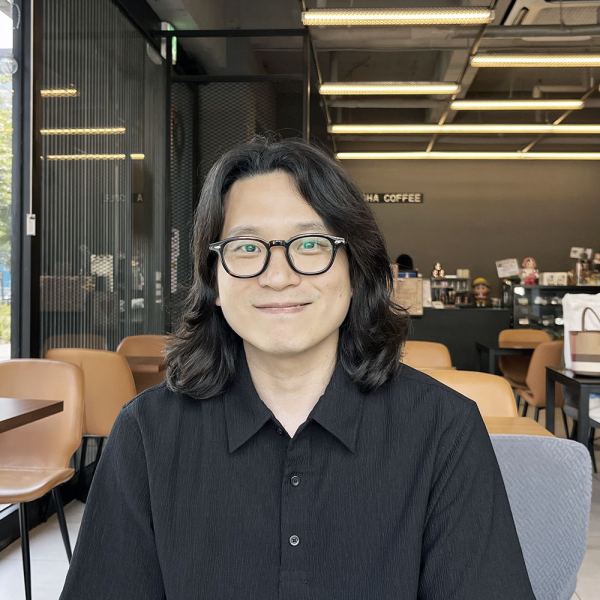
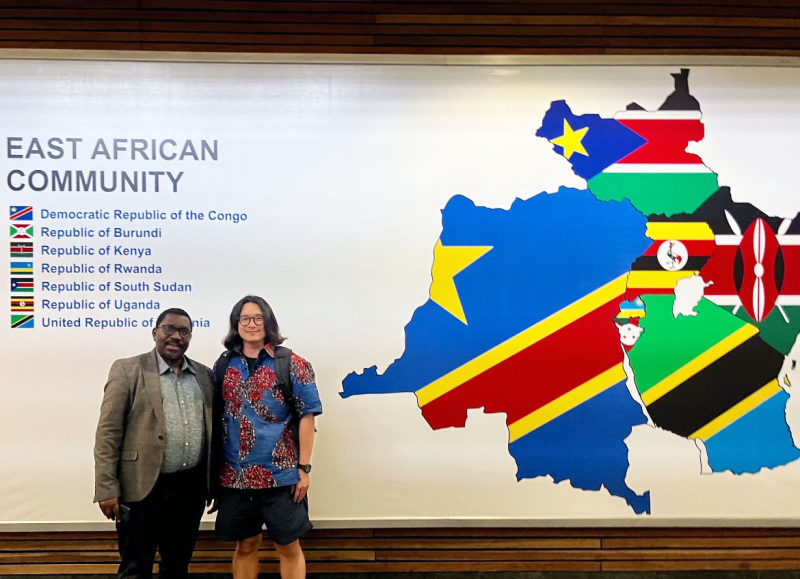
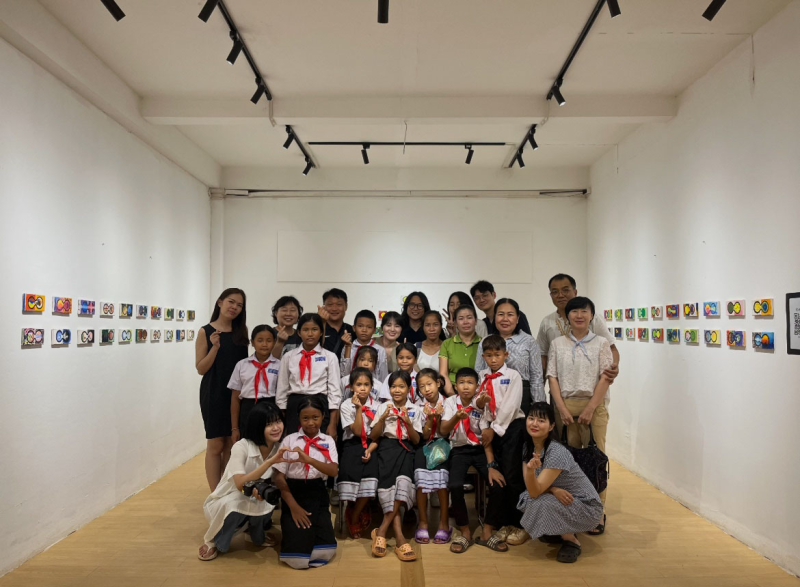
황선령, 2026. 6. 2. @ 서울 서초구
Sunryung Hwang, June 2, 2026 @ Seocho-gu, Seoul
about
히아트 | HE:ART예술 교육을 통해 서로를 도우며 주체적인 세계시민으로 성장하도록 지원하는 히아트
군 복무 시절, 제 삶의 중요한 전환점이 있었습니다. 특전사령부 내 기무부대에서 방첩 임무를 수행하며, 천안함 피격과 연평도 포격으로 고조된 한반도의 군사적 긴장과 안보 위기를 가까이에서 경험했습니다. 원래는 북한이나 통일에 관심이 없던 평범한 청년이었지만, 깊어지는 갈등을 보며 한반도 평화는 남북한만의 노력으로는 한계가 있고 국제협력과 국제개발이라는 더 넓은 틀에서 다루어야 한다는 확신을 갖게 되었습니다.
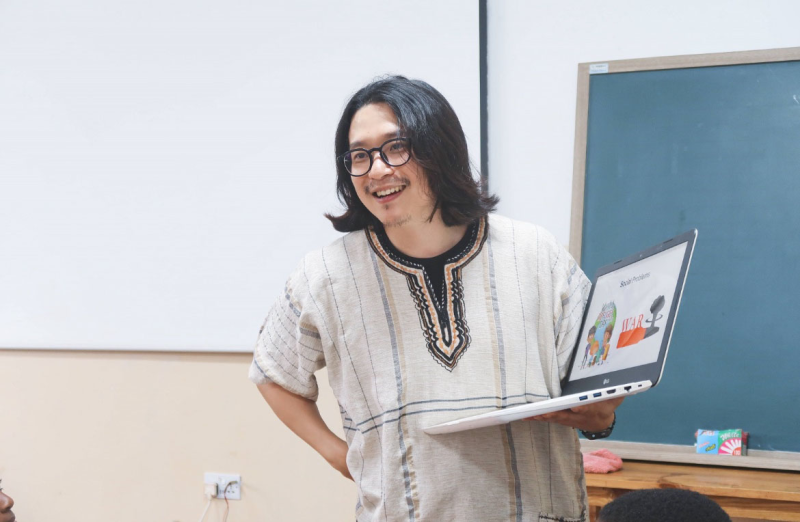
전역 후 ‘이웃을 사랑하는 삶을 살겠다’는 철학적 고민을 바탕으로 타인에게 도움이 되는 길을 찾던 중 국제개발을 접했고, 한국, 일본 청년들과 함께 우간다 아동 지원을 위한 음악회 프로젝트를 기획했습니다. 홍대 근처에서 열린 이 음악회는 큰 호응을 얻었어요. 언어와 국경을 넘어 사람의 마음을 움직이는 예술의 강력한 소통 능력을 발견했습니다. 그리고 당시 자극적이고 비참한 모습만을 강조하던 일명 빈곤 포르노 방식에 큰 불만을 느끼고 있었기에, 아이들의 아름다움과 장점을 예술로 표현해 전달하고 싶었습니다. 이러한 경험과 고민이 모여 2013년 히아트를 설립하였습니다. 탈북 청소년과 개발도상국 아동들이 단지 일방적인 도움을 받는 존재에 그치지 않고 예술 교육을 통해 서로를 도우며 주체적인 세계시민으로 성장하도록 지원하는 플랫폼입니다.
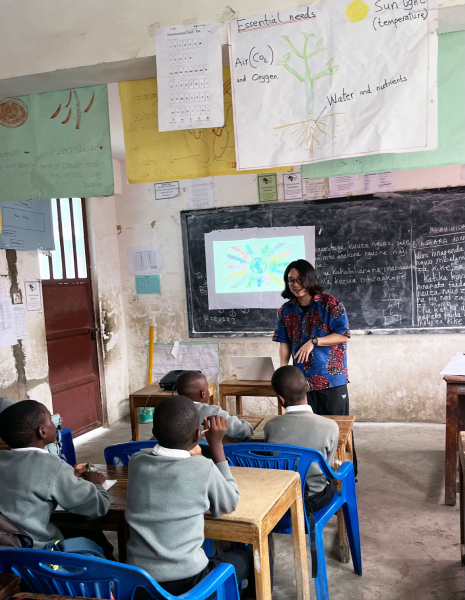
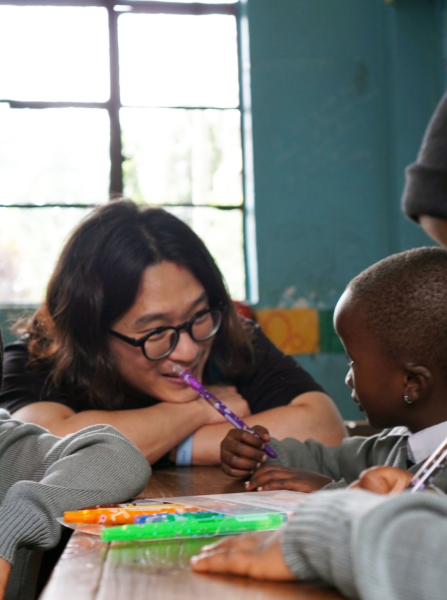
처음 여명학교라는 탈북 대안학교에서 스토리 기반 세계시민 예술 교육을 시작했을 때, 교육에 참여한 한 학생은 평생 누군가를 도울 수 있다는 생각을 해본 적이 없다고 했습니다. 하지만 교육을 통해 탄자니아 백색증 학생들을 돕기 위한 미술 작품을 만들고 전시회를 여러 차례 열면서 학생들의 관점이 더 넓어졌습니다. 이 전시 후원금으로 탄자니아 현지에 땅을 매입해 지역사회를 위한 물탱크와 보건소, 학교 설립을 지원했고, 참여했던 학생들이 성장한 후에 직접 교사가 되어 탄자니아에 방문하는 긍정적인 선순환을 만들어냈습니다.
코로나19 팬데믹 이후에는 북한 태생 청소년보다 중국 태생의 탈북민 자녀들이 늘어났습니다. 언어와 정체성의 문제로 현장 교육에 한계가 찾아오기도 했어요. 그래서 히아트는 개별 학교 방문 방식에서 벗어나, 성수동 등에서 활동하는 국내외 예술가와 탈북 작가들이 연대하는 문화·예술 플랫폼으로 진화했습니다. 하버드 광장과 독일 성 니콜라이 교회 등 해외 주요 거점에서 북한 인권과 한반도 평화 이슈를 알리는 전시를 진행했고, 다양한 작가들과 함께 한반도와 글로벌 이슈를 예술로 표현하는 플랫폼과 문화외교 역할을 이어가고 있습니다.
국제개발의 관점에서 글로벌 거버넌스를 통해 한반도의 평화적 통일을 꿈꾸다
저는 경제학을 전공한 관점에서 남북한 국민들에게 과도한 세금이나 경제적 부담을 주지 않는 통일 구조를 만드는 것이 가장 중요하다고 봅니다. 독일 본에서 포럼을 주최하여 독일 이민 1세대 분들의 통일 관점과 서독 주민들이 통일 과정에서 겪었던 막대한 경제적 희생과 그에 따른 아쉬움을 들으며 이러한 확신은 더욱 강해졌습니다. 통일은 현재 한국 사회가 직면한 저출산과 인구 감소 문제를 완화하는데 그치지 않고, 한반도와 국제사회의 평화와 안보에 기여하는 동시에 새로운 생산,생활,교류의 기반을 조성함으로써 한반도가 국제협력과 글로벌 거버넌스의 중심지로 도약하는 기회가 될 수 있습니다.
이를 실현하기 위한 구체적인 구상으로 DMZ 주변에 스위스 제네바와 같은 ‘글로벌 거버넌스 존(Global Governance Zone)’을 조성하는 비전을 갖고 있습니다. 급격한 체제 통합에 따른 혼란을 방지하기 위해 DMZ를 평화적 완충지대이자 국제협력의 공간으로 전환하고, 유엔을 비롯한 국제기구와 연구기관, 교육기관, 예술·문화기관을 유치하는 것입니다. 이 공간에 국제적 전문성과 자본, 지식과 창의성이 축적된다면 지역경제를 활성화하는 동시에 남북한 주민들이 국제사회와 함께 협력하는 새로운 모델의 토대를 마련할 수 있습니다. 안보와 경제, 제도적 통합을 둘러싼 구조적 과제에 대응하는 한편, 문화와 교육, 예술과 시민 교류를 함께 발전시킴으로써 통일을 단계적이고 평화롭게 준비하는 것입니다. 아울러 국제개발 영역에서도 일방적인 시혜가 아니라, 서로의 필요를 채우며 대등하게 연대하는 상호 존중의 거버넌스를 지향하고 있습니다.
해외 현장에서 세계안보와 한반도 평화를 잇는 국제안보정책 전문가
기무부대에서의 군 복무를 통해 방첩과 군사·국가안보를 중심으로 한 전통적 안보(hard security)의 현장을 경험했습니다. 이후 예술교육단체를 이끌며 국제개발, 문화외교와 예술 기반 평화구축을 통해 인간안보(human security)를 증진하는 접근을 실천했고, 그 가능성을 확인했습니다. 이제 이러한 두 현장 경험에 학문적 전문성을 더해 분쟁과 개발, 평화와 안보의 상호작용을 체계적으로 연구하고자 합니다. 나아가 그 과정에서 얻은 통찰을 실행 가능한 공공정책과 행정·제도적 해법으로 발전시키고, 이를 실제 현장에서 구현할 수 있는 공공리더십을 한층 강화하고자 합니다.
저는 궁극적으로 세계의 평화와 안보를 증진하는 국제안보정책 전문가로 성장하고자 합니다. 저에게 한반도의 평화적 통일은 단지 민족적 과제를 넘어, 동북아의 안정과 국제사회의 평화에 기여할 수 있는 중요한 국제안보 과제입니다. 따라서 다양한 국가와 지역의 통합, 분쟁 해결과 평화구축 사례에서 얻은 통찰을 한반도의 상황에 맞게 적용하는 동시에, 그 과정에서 축적한 경험과 도출한 정책적 해법을 국제사회의 분쟁 해결과 평화 증진에도 기여할 수 있는 정책적 지식과 실천 모델로 발전시키고 싶습니다. 국제무대에서 세계의 평화와 안보라는 더 큰 공익을 추구하면서, 한반도의 평화 역시 함께 증진할 수 있는 설득력 있는 정책적 목소리를 내는 것이 제 목표입니다.동시에 남은 히아트 대표 임기 동안에는 예술이라는 창의적이고 보편적인 언어를 통해 문화외교를 지속해서 실천하고, 세계 곳곳에 평화와 연대, 그리고 한반도의 평화적 통일을 위한 메시지를 전하고 싶습니다.
인터뷰 정소익
편집 정소익, 황선령
HE:ART: Empowering Individuals to Grow into Autonomous Global Citizens Through Arts Education
My time in the military marked a pivotal turning point in my life. Serving in the counterintelligence unit under the Special Warfare Command, I experienced firsthand the heightened military tensions and security crises on the Korean Peninsula, particularly during the sinking of the ROKS Cheonan and the shelling of Yeonpyeong Island. Before my service, I was just an ordinary young man with little interest in North Korea or reunification. However, witnessing the deepening conflict convinced me that achieving peace on the Korean Peninsula cannot be accomplished by the efforts of the two Koreas alone; it must be addressed within the broader framework of international cooperation and global development.
Driven by a philosophical quest to "live a life of love for my neighbors" after my discharge, I discovered the field of international development. This led me to organize a concert project with South Korean and Japanese youth to support children in Uganda. Held near the Hongdae area in Seoul, the concert received an overwhelming response. It was then that I discovered the immense power of art—a universal language that transcends borders and moves human hearts. At the same time, I felt a deep frustration with "poverty pornography," which dominated media coverage by highlighting only the most miserable and tragic aspects of these children's lives. Instead, I wanted to use art to showcase their inherent beauty, strengths, and potential. Driven by these reflections, I founded HE:ART in 2013. It is a cultural and artistic platform designed to ensure that North Korean defector youth and children in developing nations are not merely passive recipients of aid, but active participants who support one another through arts education and grow into autonomous global citizens.
When we first launched our story-based global citizenship arts education at Yeomyung School—an alternative school for North Korean defectors—one student confessed that they had never once imagined they could be someone who helps others. However, through our program, students created artworks and hosted multiple exhibitions to raise funds for students with albinism in Tanzania, expanding their worldview in the process. With the proceeds from these exhibitions, we purchased land in Tanzania to build a water tank, a medical clinic, and a school. Remarkably, some of the students who participated in this program eventually grew up to become teachers themselves and visited Tanzania, creating a powerful, sustainable cycle of positive impact.
Following the COVID-19 pandemic, the demographic shifted: the number of defector children born in China began to outnumber those born in North Korea, presenting new barriers in language and identity for our on-site education. In response, HE:ART evolved from visiting individual schools to functioning as a broader cultural and artistic collective, bridging South Korean, international, and defector artists in vibrant creative hubs like Seongsu-dong. We have hosted exhibitions highlighting North Korean human rights and peace on the Korean Peninsula at major global landmarks, such as Harvard Square and St. Nicholas Church in Germany. Today, we continue to serve as a platform for cultural diplomacy, expressing inter-Korean and global issues through the medium of art.
Visualizing Peace and Reunification via Global Governance and International Development
From an economic perspective, my primary focus is on designing a reunification framework that does not impose an excessive tax or economic burden on the citizens of both Koreas. This conviction deepened after I hosted a forum in Bonn, Germany. There, I listened to first-generation Korean immigrants and West German residents recall the immense economic sacrifices and subsequent regrets experienced during the German reunification process.
Reunification should not be viewed merely as a tool to mitigate South Korea’s current demographic crises, such as low birth rates and population decline. Instead, it represents a historic opportunity for the Korean Peninsula to leap forward as a hub for international cooperation and global development. By establishing a new foundation for production, daily life, and cultural exchange, it can contribute significantly to peace and security both on the peninsula and within the international community.
To realize this, my concrete vision involves establishing a "Global Governance Zone" around the Demilitarized Zone (DMZ), modeled after Geneva, Switzerland. To prevent the chaos of sudden systemic integration, the DMZ would be transformed into a peaceful buffer zone and a space for international cooperation. This zone would host the United Nations, various international organizations, research institutes, educational bodies, and cultural institutions.
Accumulating global expertise, capital, knowledge, and creativity in this space will revitalize the regional economy while laying the groundwork for a new model of partnership between North and South Korean residents alongside the international community. While addressing the structural challenges of security, economic, and institutional integration, this approach prepares for a gradual, peaceful reunification by simultaneously fostering culture, education, art, and civic exchange. Furthermore, in the realm of international development, this model rejects unilateral charity in favor of mutually respectful governance that fills each other's needs and fosters equal solidarity.
An International Security Policy Expert Bridging Global Security and Peninsular Peace
My military service provided me with firsthand experience in traditional "hard security," centered on counterintelligence and national defense. Later, leading an arts education organization allowed me to practice and validate the potential of fostering "human security" through international development, cultural diplomacy, and arts-based peacebuilding.
Now, I seek to combine these two practical fields with academic expertise to systematically research the interplay between conflict, development, peace, and security. Ultimately, I aim to translate the insights gained from these experiences into actionable public policies and institutional solutions, while further strengthening the public leadership required to implement them on the ground.
My ultimate goal is to grow into an international security policy expert who advances global peace and stability. For me, the peaceful reunification of the Korean Peninsula is not just a national task, but a vital international security objective that can contribute to the stability of Northeast Asia and the world. Therefore, I want to apply insights gained from global cases of regional integration, conflict resolution, and peacebuilding to the unique context of the Korean Peninsula. Simultaneously, I hope to develop the lessons learned from Korea into policy frameworks and practical models that can contribute to resolving conflicts worldwide. By pursuing the greater public good of international peace, I aim to project a persuasive, strategic voice on the global stage that simultaneously advances peace at home.
Concurrently, during the remainder of my tenure as the director of HE:ART, I intend to continue practicing cultural diplomacy through the creative and universal language of art, sending messages of peace, solidarity, and the peaceful reunification of the Korean Peninsula to the world.
Interview by Soik Jung
Edited by Soik Jung, Sunryung Hwang
English translated by Gemini Pro