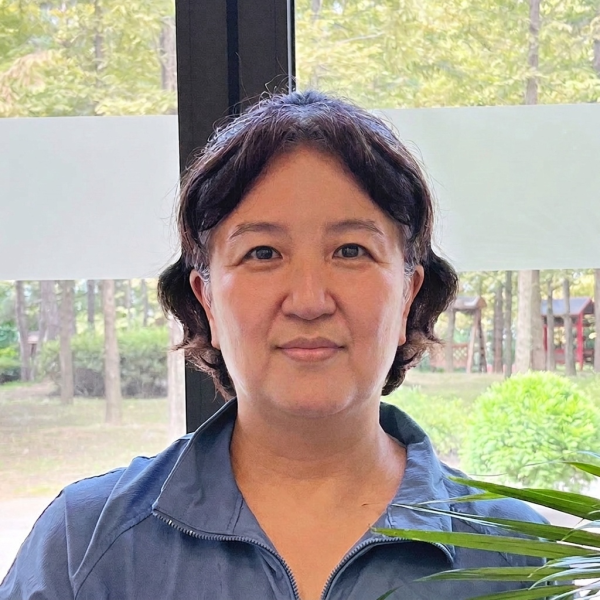
정가윤, 2026. 8. 2. @ 서울 마포구
Kayoun Chung, August 2, 2026 @ Mapo-gu, Seoul
about
지역사회아동문화연구소 | Research Institute for Community-based Childhood Culture대학원에서 축적한 전문성을 지역사회 실천과 연결한다 명지대학교 대학원 아동학과는 크게 놀이치료 및 심리치료 트랙과 보육 및 교육 트랙의 두 가지 세부 전공 과정으로 나뉘어 운영되고 있습니다. 명지대학교의 교책중점연구소인 지역사회아동문화연구소는 대학원에서 축적된 전문성을 이론에만 가두지 않고 지역사회 실천으로 연결하는 핵심 기지 역할을 합니다. 대학원 석·박사 과정을 거치며 전문성을 갖춘 인재들과 졸업생 연구진이 중심이 되어 중앙부처나 지자체의 국고 보조사업 공모에 참여하고, 이를 통해 예산을 수주하여 다양한 프로젝트를 수행하는 구조를 가지고 있습니다.
연구원과 박사과정 연구진이 학위논문을 작성할 때, 이론에만 치우치는 것이 아니라 실제 현장에서 이미 적용하고 검증을 거쳤던 프로그램들을 바탕으로 논문을 집필하게 됩니다. 그리고 이렇게 연구 결과로 도출된 논문 속 프로그램들을 다시 새로운 국고 사업이나 현장의 요구에 맞추어 재적용하고 활용합니다. 이러한 과정을 거치면서 프로그램은 더욱 고도화되고 다변화됩니다. 연구소는 단순히 고정된 단일 프로토콜을 완성하는 것에 목매기보다는, 지역사회와 실제 수혜를 받는 대상자들의 생생한 요구에 맞추어 유연하게 기회를 제공하는 현장 중심의 실천적 연구 체계를 지향하고 있습니다.
영유아, 아동, 청소년부터 부모, 노인까지 전 생애를 아우르는 통합적 심리·정서 지원
흔히 아동학과라고 하면 영유아 시기만을 떠올리기 쉽지만, 학문적 범주는 유아교육 단계를 넘어 가족과 지역사회 전체로 확장됩니다. 따라서 저희 연구소는 영유아와 아동, 청소년은 물론이고 부모와 노인에 이르기까지 전 생애를 아우르는 통합적 심리·정서 지원을 펼치고 있습니다. 문화체육관광부 및 한국문화예술교육진흥원과는 문화예술치유 프로그램 지원사업인
이나
같은 예술치료 중심의 프로젝트를 수년간 수행해 왔습니다. 보건복지부 및 한국장애인개발원과는 발달장애인 부모교육 지원사업을 통해 영유아기나 성인권 관련 발달장애 아동 및 가족을 위한 맞춤형 프로그램을 제공합니다. 여성가족부와는 건강한 가족을 위한 가족소통·참여 사업과 심리 상담 프로그램을 진행하며, 교육부 및 서울시교육청 유아교육진흥원과는 교사와 유아를 위한 유아 정서·심리 지원 프로그램 개발 연구용역을 맡아 현장에 적용하고 있습니다.
서울 서북권 지역을 활동 거점으로 지역사회와 협력한다
연구소가 소속된 명지대학교를 기반으로 하여 서대문구, 은평구, 마포구 등 서울 서북권 지역이 핵심적인 활동 거점입니다. 물론 국고 보조사업의 취지와 공모 목적에 따라 필요한 경우에는 지방 지자체로 직접 내려가 현장 프로그램을 수행하기도 합니다. 현장에서 유기적으로 작동하는 대표적인 모델로는 우선 민·관·학 협력 거점인 "명지 마음 심터(心터)"를 꼽을 수 있습니다. 은평구 응암동 아이파크 아파트 단지 내에서 공간을 제공하는 민간의 참여와 은평구청의 예산 지원이라는 관의 역할, 그리고 명지대 지역사회아동문화연구소의 전문 프로그램이라는 학의 역량이 결합된 형태입니다. 이곳에서 치매 어르신이나 발달장애인, 우울증을 겪는 주민 등 지역사회의 다양한 취약 계층을 위한 치유 프로그램을 운영합니다.
또한 어린이집과 연계한 '보육·놀이치료 서비스 러닝' 시스템도 활발합니다. 치료가 필요한 아이들이 외부 시설로 이동해야 하는 번거로움을 줄이기 위해 모아맘 보육재단, 마곡 아이마당, 예본, 은평중앙, 크니크니 어린이집 등 협력 어린이집 내부에 직접 치료실을 구축하고 개별적인 예방적 놀이치료를 지원하고 있습니다.
신체 움직임을 창작하고 지역사회 현장에서 함께 실천해 보고 싶다
올해 에서 시도하고 싶은 것은 장애·비장애 아동이 함께 할 수 있는 ‘신체 움직임 및 체조 프로그램’입니다. 저희 교수진과 연구원, 그리고 무용 전문가가 협력하여 만들어 보고자 합니다. 이 체조 프로그램은 크게 두 가지 축으로 활용 방안을 모색할 수 있습니다. 첫 번째는 마포구 육아종합지원센터처럼 저희 졸업생이 센터장으로 있거나 밀접하게 연계된 지자체 기관을 통해 대중적으로 확산하는 오프라인 중심의 방안입니다. 센터 내의 주민 대상 프로그램이 시작되기 전 사전 단계로 활용하거나, 양육자를 위한 홍보 및 동기부여 영상 콘텐츠로 제작해 보급할 수 있습니다. 두 번째는 교육과 연구를 연계한 어린이집 현장 적용 방안입니다. 연구소와 연계된 어린이집 교사들이 이 체조 프로그램을 직접 배워서 아침 일과 시간에 아이들과 매일 실천해 보는 방식입니다. 한 걸음 더 나아가 관심 있는 학생 연구원과 무용 전문가가 공동으로 참여하여 프로그램이 아이들의 심리·정서적 발달에 미치는 효과성을 학술 논문으로 검증하고 출판하는 심도 있는 연구 프로젝트로까지 발전시킬 수 있습니다.
인터뷰, 편집 정소익
Connecting Expertise Accumulated in Graduate School with Community Practice
The graduate school of the Department of Child Development and Education at Myongji University operates primarily under two detailed tracks: Play Therapy and Psychotherapy, and Childcare and Education. The Research Institute for Community=based Childhood Culture (the Institute, hereafter), a university-wide research center at Myongji University, serves as a core base connecting the expertise accumulated in graduate school with practical community application, rather than confining it to theory. Professionals who have completed their master's and doctoral programs, along with alumni researchers, play a central role in participating in state subsidy project competitions from central ministries or local governments, securing budgets to execute various projects.
When researchers and doctoral candidates write their dissertations, they base their work on programs that have already been applied and verified in the field, avoiding a purely theoretical approach. The programs derived from these research results are then reapplied and utilized in new government projects or tailored to meet field demands. Through this process, the programs become more advanced and diversified. Rather than fixating on completing a single, rigid protocol, the institute strives for a field-oriented, practical research system that flexibly provides opportunities tailored to the vivid needs of the community and its actual beneficiaries.
Integrated Psychological and Emotional Support Spanning the Entire Lifespan
Although the term "Department of Child Development and Education" often brings only infancy and early childhood to mind, our academic scope extends beyond early childhood education to encompass the entire family and community. Therefore, our institute provides integrated psychological and emotional support covering the entire lifespan—from infants, children, and adolescents to parents and the elderly. We have conducted art therapy-focused projects for several years, such as
Mind Healing, Like Spring (마음치유, 봄처럼) and
Visiting Art Prescriptions (찾아가는 예술처방전), in collaboration with the Ministry of Culture, Sports and Tourism and the Korea Arts & Culture Education Service. In partnership with the Ministry of Health and Welfare and the Korea Disability Policy Development Institute, we offer customized programs for children with developmental disabilities and their families through a parent education support project. We also conduct family communication and participation initiatives alongside psychological counseling programs with the Ministry of Gender Equality and Family. Furthermore, we have undertaken research projects with the Ministry of Education and the Seoul Early Childhood Education & Promotion Center to develop and apply emotional and psychological support programs for teachers and young children.
Collaborating with the Local Community in Northwestern Seoul
Based at Myongji University, the Institute operates primarily in the northwestern region of Seoul, including Seodaemun-gu, Eunpyeong-gu, and Mapo-gu. However, depending on the purpose and objectives of government subsidy projects, we also travel to regional municipalities to execute on-site programs when necessary. A prime example of an organically functioning field model is the Myongji Mind Healing Space (Mind Sim-teo), a private-public-academic collaboration hub. It combines private participation (providing space within the I-Park apartment complex in Eungam-dong, Eunpyeong-gu), public support (budget funding from the Eunpyeong-gu Office), and academic expertise (specialized programs from the Institute). Here, we operate healing programs for various vulnerable populations in the community, including seniors with dementia, individuals with developmental disabilities, and residents suffering from depression.
Additionally, our Childcare and Play Therapy Service Learning system, linked with daycare centers, is highly active. To save children the hassle of traveling to external facilities for treatment, we have built direct therapy rooms inside partner daycare centers—such as Moamom Childcare Foundation, Magok I-Madang, Yebon, Eunpyeong Jungang, and Keuni Keuni Daycare Centers—to provide individualized, preventative play therapy.
We Will Try to Create Physical Movement Programs and Practice Them Together in the Community
For this year's Third Paradise DMZ 2026, we want to pilot a "Physical Movement and Gymnastics Program" where children with and without disabilities can participate together. Our faculty, researchers, and dance experts would collaborate to create this. We can explore two main avenues for utilizing this gymnastics program. The first is an offline-centric approach aimed at public expansion through local government agencies where our graduates serve as directors, or with whom we are closely affiliated, such as the Mapo-gu Support Center for Childcare. The program can be used as a preliminary warm-up before resident programs begin at the center, or it can be produced and distributed as promotional and motivational video content for caregivers. The second is an on-site application plan at daycare centers that links education with research. Teachers at daycare centers affiliated with the Institute would learn this gymnastics program firsthand and practice it daily with the children during their morning routines. Taking it a step further, interested student researchers and dance experts could jointly participate to develop this into an in-depth research project, verifying the program's effectiveness on children's psychological and emotional development through academic papers and publications.
Interview, edited by Soik Jung
English translated by Gemini Pro