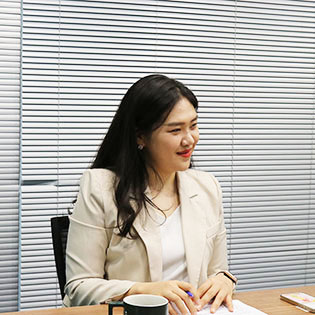
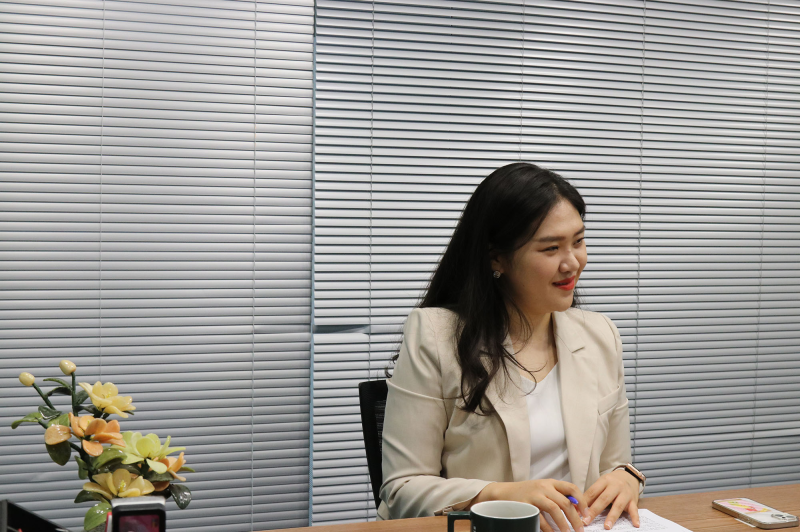
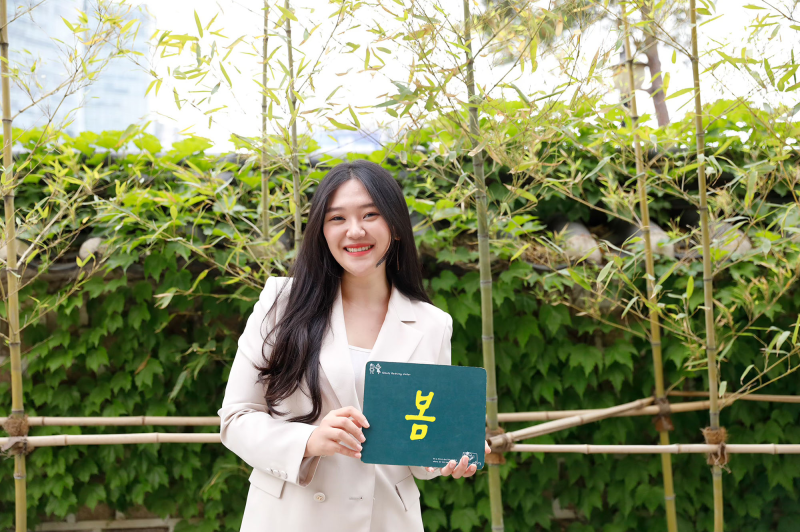
김보미, 2025. 12. 2. @ 서울 역삼동
Bomi Kim, December 2, 2025 @ Yeoksam-dong, Seoul
사단법인 선 | The Sun Pro Bono Center
기쁜 소식 하나, 난민 소송 승소
포럼 둘째 날 제가 진행 중이던 인천 출입국 외국인청 상대 난민 소송에서 승소했다는 소식을 들었습니다. 방글라데시의 소수민족인 줌머족 난민 신청자가 긴 소송 끝에 난민으로 인정받은 것입니다. 줌머족은 인종, 종교, 정치적 견해의 차이로 방글라데시에서 오랜 시간 차별과 박해를 받아온 소수민족입니다. 이 사건의 당사자도 줌머족 인권 옹호 활동을 하던 중 국적국에서 탈출하였고, 저는 이를 도와 약 2년 동안 소송을 진행했습니다. 1심에서 아쉽게 패소했지만, 다행히 항소심에서 승소하여 더 기쁨이 컸습니다. 지난 몇 년간 줌머족이 난민으로 인정된 사례가 많지 않고, 난민 소송이 항소심에서 결과가 뒤집히는 경우가 드물어서 정말 기뻤습니다.
한국이 난민 협약에 가입한 지 30년이 넘었는데 그동안 난민으로 인정된 분들이 천몇백 명 정도밖에 없습니다. 난민 인정률은 1~2% 정도로 매우 낮고, 전반적으로 한국에서 난민에 대한 무지에서 오는 이유 없는 혐오가 크기도 합니다. 정부는 북한이탈주민을 받아들인다는 이유로 난민 인정에 인색한데, 사실 북한이탈주민은 법적으로 대한민국 국민이기 때문에 이를 이유로 난민을 수용할 수 없다는 주장은 이해되지 않습니다.
다양한 활동가들의 다양한 생각을 듣다
포럼 참여자들을 어떻게 이렇게 모으셨는지! 제가 아는 생태 활동하시는 분들은 법조인이나 연구자가 대부분인데 우리 “회복탄력성” 데이블에서는 텃밭을 직접 일구시는 분, 그걸로 예술 활동을 하시는 분, 생태와 평화에 관해 이야기하는 예술가 등을 다양하게 만날 수 있었습니다. 전체를 보면
제비다방다방같이 지역사회에서 활동하신 분들도 있었고, 장애 인권 단체
무의처럼 단체에 관해서는 알고 있었지만 직접 만날 기회가 없었던 분들도 만날 수 있었습니다. 새로운 관점을 가지고 사회와 세상을 바라보는 분들을 보면서 신기했고, 이분들의 이야기를 듣는 것이 정말 재미있었습니다. 같은 이야기를 해도 감수성이 다르니까요. 저는 질문에 대한 정해진 방식의 답을 생각하고 있을 때 다른 분들은 질문 자체에 관한 질문을 하시고 다른 방식의 답을 이야기하셨습니다. 다르지만 너무 중요한 생각들을 접할 수 있었습니다. 포럼 끝나고
제비다방에도 갔었습니다. 친구들과 함께 마포구의 커뮤니티 프로그램, 다른 예술가들, 새로운 활동들을 보았습니다.
연계의 가능성과 잠재력을 보다
제가 하는 일의 호흡은 굉장히 긴 편입니다. 소송을 시작해서 결과가 나올 때까지 몇 년 걸리기도 하고, 긴 시간 동안 소송을 하다 보면 처음과 달리 당사자들의 열정과 의지가 약해지는 것을 볼 때도 있고, 사건에 대한 사회적 관심도 떨어지게 됩니다. 그렇게 약간 지칠 때, 운동이 동력을 잃어가는 그 긴 과정 중에 예술 프로젝트가 연결된다면 다시 생기를 불어넣어 줄 수 있겠다고 느꼈습니다. 우리가 모두 사회에 선한 임팩트를 주는 것을 목적으로 한다면 결국은 한 사람이 혼자 사회를 바꾸는 것이 아니라 이어달리기처럼 함께 가는 게 맞지 않을까 생각했습니다.
어쩌면 전체 프로젝트를 기획하는 역할을 해 줄 수 있는 사람이 필요한 듯합니다. 환경 문제라면, 법적인 접근도 하고 인식을 환기할 수 있는 캠페인도 하고 거기에 예술가도 참여하고 지역사회도 함께 하고. 이런 예쁜 프로젝트 패키지를 우리가 만들 수 있으면 좋겠습니다.
‘법’에서 벗어나 현장을 발견하다
제가 예전부터 관심이 있었던 것 중 하나가 마르쉐였습니다. 농부들이 하는 시장, 토종 씨앗 보존 같은 거요. 여기에 사실 법적인 공백이 많지만 저는 딱 법만 알고 현실을 잘 모릅니다. 이분들이 실제로 어떻게 일을 하시고 텃밭을 가꾸고 판매할 때 문제가 뭔지 잘 모르는데, 포럼에서 이런 문제에 관해 실질적인 이야기를 해 주실 수 있는 분들을 만났고, 나중에 제도 개선 같은 것을 같이 해볼 수 있지 않을까 생각했습니다. 제도 개선이나 법률 운동도 시민들의 관심을 끌어야 할 수 있으니까, 시민단체가 그 역할을 해 줄 수 있고, 예술가는 그 관심을 좀 더 올릴 수 있고, 그런 분들과 함께하면 재미있겠다, 좀 더 힘을 얻을 수 있겠다, 마르쉐 같은 생태 친화적인 농업, 지역사회가 함께하는 농업 문화가 한국에서 더 확산할 수 있도록 무언가를 해볼 수 있지 않을까.
아무래도 제일 많이 만나는 사람들이 법조인이고, 일을 하면서 현장에 보다는 사무실에서 앉아서 글을 쓰고 글을 읽는 것이 대부분입니다. 그래서 이렇게 현장의 문제, 현장의 활동 이야기를 듣는 것이 굉장히 필요한 일입니다. 포럼에서 만난 분들의 이야기를 통해 실제 현장에서는 저렇게 생각하시는구나, 이게 문제라고 보시는구나를 알 수 있어서 저에게 큰 자극이 되고 또 새로운 것들을 생각하게 해 주어서 좋았습니다. 앞으로 어떤 활동을 하면 좋을지도 생각하게 되었습니다. 예를 들어, 현재는 농지를 소유하려면 농민, 농업법인 등이 되어야 하고, 농업인이 되려면 정기적으로 재배하고 1년에 120만 원 이상의 농업 소득이 있어야 합니다. 그런데 사실 생태적으로 농업을 하거나 야생을 그대로 두고 무언가를 하고자 한다면 1년에 120만 원의 소득을 올리기 쉽지 않고, 소득이 없다면 농업인으로 인정받고 보호받지 못합니다. 농지법 원래의 취지는 분명 농지와 농업인을 보호하는 것이지만 이렇게 생태 감수성을 가지고 자연과 더불어 경작하는 사람이 연 120만 원 소득 기준을 못 맞춰서 농업인이 아닌 것으로 치부되고 결국 농지를 팔 수밖에 없는 상황이 발생하기도 합니다. 이것이 맞는 것일까 묻지 않을 수 없습니다. 현행 법률에서는 해결할 수 없습니다. 현실과 법률 규정 간 차이가 있는 것이죠. 이런 것들을 더 생각해 볼 수 있었습니다.
소소하게 만나면서 다음 포럼을 준비하면 좋겠다
내년에 두 번째 포럼을 진행할 때, 참여자들이 근황을 공유하는 것을 넘어 무언가 다른 아젠다를 더하면 재미있게 토의할 수 있을 것입니다. 더 집중할 수 있겠지요. 그리고 그 전에 참여자들이 만나는 이야기의 장이 있었으면 좋겠습니다. 단톡방이든 소소한 모임이든, 어떤 주제를 더할지 이야기하고 정리해서 만나면 두 번째 포럼에서 더 생산적인 이야기를 할 수 있을 듯합니다.
주한이탈리아문화원탈리아문화원 행사와 연계해서 이야기를 나눌 수도 있지 않을까요. 우리 주제와 관련한 이탈리아 영화 같은 것을 같이 보고 대화를 나누는 활동을 해보는 것도 좋을 것 같습니다. 요즘은 사회 문제를 이야기할 때도 접근 방식을 달리해야 사람들이 더 관심을 두고, 활동이 확장될 수 있다고 느낍니다. 여성 인권 문제에 대해서 저희가 아무리 “아동 청소년의 성인지 감수성을 키워야 한다.”, “법적으로 이런 것들이 필요하다” 이야기해도 아무도 관심을 두지 않습니다. 오히려 “소년의 시간” 같은 넷플릭스 드라마가 자연스럽게 대화를 시작하는 계기가 됩니다. 참여자들이 부담을 갖지 않고, 편하게 모일 만한 기회를 만들고 거기에서부터 다음 단계의 논의, 더 깊이 있는 다음 포럼을 준비하면 좋을 듯합니다.
인터뷰, 편집 정소익
Good news: victory in refugee lawsuit
On the second day of the forum, I heard news of a victory in the refugee lawsuit I was handling against the Incheon Immigration Office. A refugee applicant from the Jumma ethnic group in Bangladesh was granted refugee status after a lengthy lawsuit. The Jumma ethnic group has long faced discrimination and persecution in Bangladesh due to differences in race, religion, and political views. The person involved in this case also fled his country of citizenship while advocating for the human rights of the Jumma people, and I assisted him in his legal proceedings for about two years. Although we narrowly lost the first trial, we were fortunate to win on appeal, which was even more gratifying. Considering the fact that there have been few cases of Jumma refugees being granted refugee status in recent years, and that appeals rarely overturn refugee decisions, I was truly delighted.
In the 30 years since Korea joined the Refugee Convention, only about a thousand refugees have been granted refugee status. The refugee recognition rate is extremely low, at around 1-2%, and there is widespread, unfounded hatred against refugees in Korea, stemming from ignorance. The government is reluctant to grant refugee status on the grounds that it accepts North Korean defectors. The government claims that it sufficiently recognizes refugees because it accepts North Korean defectors as refugees, but in fact North Korean defectors are legally citizens of the Republic of Korea, so this argument lacks credibility.
Listening to the diverse perspectives of diverse activists
What a remarkable assembly of forum participants! Most of the ecological activists I know are lawyers or researchers, but at our "Resilience" table, I met a diverse group of people, including those who cultivate their own gardens, those who use their gardens for artistic purposes, and artists who talk about ecology and peace. Also, I met people like
Jebidabang who are active in the community, and people like the disability rights group
Muui, whom I knew about but hadn't had the opportunity to meet in person. It was inspiring to see people looking at society and the world from a fresh perspective, and listening to their stories was truly fascinating. Even when discussing the same topic, their sensibilities were different. While I was thinking of a standardized answer to a question, others were questioning the question itself and offering different answers. I was able to encounter such diverse, yet incredibly important, perspectives. After the forum, I also visited
Jebidabang. With friends, I saw Mapo-gu's community programs, other artists, and new activities.
Seeing the possibility and potential of collaboration
My work often spans a protracted time period. It can take years from the start of a lawsuit to a resolution. Over time, I sometimes see the passion and resolve of the parties weaken compared to the beginning, and public interest in the case also wanes. In those moments of exhaustion, when the movement is losing momentum, I felt that connecting art projects to the movement could revitalize it. If we all aim to make a positive impact on society, ultimately, it wouldn't be about one person working alone to change society, but rather, like a relay race, working together.
Perhaps we need someone who can plan the entire project. For environmental issues, we could combine legal approaches with awareness-raising campaigns, involving artists and the community. I hope we can create a compelling project package like this.
Discovering the field beyond law
One of the things I've long been interested in is the marché, like farmers' markets and the preservation of native seeds. While there are many legal loopholes here, I only know the law and don't really understand the realities on the ground. I don't know how these people actually work, or what challenges they face when cultivating and selling the seeds. At the forum, I met people who could offer practical advice on these issues, and I thought we could work together to improve the system. Since institutional reform and legal campaigns require public attention, civic organizations can play a role. Artists can further heighten that interest. Working with these people would be fun and empowering. Perhaps we could do something to help spread eco-friendly farming like the marché, a community-based farming culture, in Korea.
The people I meet most often are lawyers, and while working, they spend most of their time writing and reading in the office rather than in the field. Therefore, hearing about the problems and activities happening in the field is crucial. Through the stories of those I met at the forum, I became acquainted with people’s thoughts and what they actually perceived to be the problem. This was a great inspiration for me and gave me new perspectives. It also made me think about what kinds of activities I should pursue in the future. For example, currently, to own farmland, you must be a farmer or an agricultural corporation, and to be a farmer, you must regularly cultivate the land and earn at least 1.2 million won in annual agricultural income. However, if you want to practice ecological farming or leave wildlife intact, it's not easy to earn 1.2 million won a year, and without this income, you won't be recognized or protected as a farmer. The original intent of the Farmland Act is clearly to protect farmland and farmers, but sometimes people who cultivate with ecological awareness and in harmony with nature fail to meet the legal standard and are thus dismissed as non-farmers, ultimately forcing them to sell their land. One cannot help but question whether this is right. Current laws cannot resolve this. There's a gap between reality and legal regulations. These are the kinds of things I found myself pondering more deeply.
It would be nice to meet casually while preparing for the next forum
When we hold the second forum next year, adding a different agenda beyond participants sharing updates could make for more engaging discussions. It would allow for greater focus. And before that, it would be great to have opportunities for participants to connect. Whether it's a group chat or a small gathering, discussing and organizing topics before will likely lead to more productive discussions at the second forum.
Couldn't we also link discussions to events at the
Italian Cultural Institute in Seoul? Watching an Italian film related to our topic and having a conversation about it could be a good activity. These days, I feel that even when discussing social issues, we need to change our approach to get people more interested and expand the scope of activism. No matter how much we emphasize the need to cultivate gender sensitivity in children and adolescents or the necessity of legal frameworks regarding women's rights issues, no one seems to care. Yet, Netflix dramas like Adolescence naturally spark conversations. Creating opportunities where participants can gather comfortably without pressure, and then building from there to move on to prepare for the next stage of discussion, and a deeper, more substantive subsequent forum, seems like a good approach.
Interview, edited by Soik Jung
English editing by Alice S. Kim