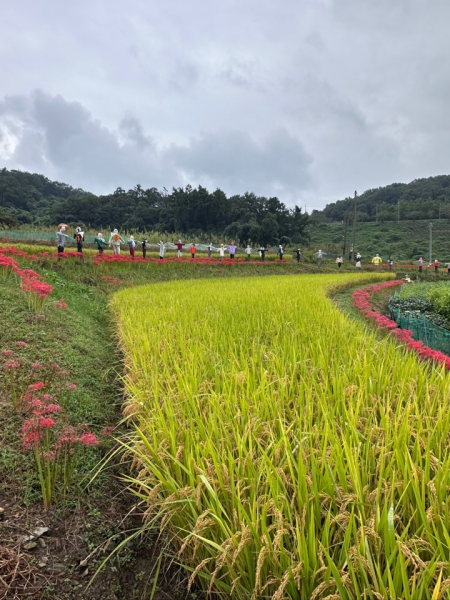
정만철, 2026. 1. 8. @ 홍성
Manchul Jung, January 6, 2026 @ Hongseong
about
농촌과 자치연구소 | Institute of Rural and Local GovernanceDMZ에 관한 관심으로 포럼에 참여하다
저는 예전부터 DMZ, 파주에 관심이 많았습니다. 국제두루미재단이 2006년부터 안변 프로젝트를 하고 있었고, 저도 관련 활동과 연구를 했습니다. 북한 강원도 안변 지역은 두루미의 중간 기착지였는데, 고난의 행군 시기를 지나면서 두루미가 다 사라졌습니다. 나락이 없어져서요. 그 동네에 두루미를 다시 불러오고자 했고, 이를 위해 철새 전문가가 합류하고 겨울에 볍씨를 뿌리기도 하고, 미꾸라지나 개구리가 살 수 있게 유기농을 했습니다. 그래서 두루미가 다시 안변에서 머물게 되었습니다. 그 두루미들이 DMZ를 거쳐서 순천만까지 가게 되었죠. 저는 DMZ를 이대로 유지하는 것이 훨씬 더 가치 있다고 생각해서, 북한-DMZ-남한의 두루미 이동 경로를 한반도 생태 벨트로 만들자고 국회에 제안했습니다. 북한 농업 관련한 연구도 했습니다. 그리고, 농업 전공이다 보니 파주 장단콩에도 관심이 많았습니다. 그러던 중에 DMA 접경 지역에서 포럼을 한다고 하니 굉장히 반가웠습니다. 캠프 그리브스 공간도 너무 좋았습니다. 몰랐던 것들을 많이 보았고요.
다양한 참여자들과 계속 마주친다
포럼에서 다양한 사람들을 만났습니다. 디자인하는 친구들, 미술, 예술 운동하는 친구들도 있었고, 텃밭 하시는 분도 있고 농사짓는 분도 있고. 변호사도 있고 도서관장님도 있고 꿀벌 관련 활동하시는 분도 있고. 이렇게 굉장히 다양한 사람들이 이야기를 나누는데 뭔가 하나로 모여진다는 느낌을 받아서 아주 신기하고 좋았습니다. 같이 뭔가를 도모해 볼 수 있는 게 있겠다는 생각이 들었어요.그리고 이들을 제주도, 홍성, 서울 등 다른 곳에서 우연히 많이 만났습니다.
종합재미농장,
송하텃밭정원연구소처럼 열심히 다니시고 활동하시는 분들, 논 생물 활동하시는 분들이요. 비슷한 활동을 하고 있지만 몰랐던 분들이라서 포럼에서 만나지 않았으면 마주쳐도 전혀 모르고 스쳐 갔겠지요. 그런데 알고 보니 서로 연결되어 있었습니다. 제가 그분들과 직접 연대하지 않아도 그 주변에 있는 사람들과 제가 같이하는 일들이 있었습니다. 제가 아는 사람들과 그분들이 함께 단체 활동을 하기도 하고요.
제3의 낙원의 정-반-합
〈제3의 낙원 DMZ - 미래를 재건하는 기억〉을 함께 만드는 퍼포먼스도 인상 깊었습니다. 잘 생각하지 않았던 정-반-합을 생각해 본 것이 아주 좋았습니다. 보통은 생활 속에서 그런 생각을 안 하고 살죠. 정이면 정이고 반이면 반이고. 대부분 인간관계, 생활도 그렇고, 어떤 사고도 그렇고요. 그랬는데 퍼포먼스를 계기로 그 합이라는 것, 중간이라는 것을 생각하게 되었습니다. 좋은 경험이었고, 퍼포먼스를 하면서 뭔가 에너지가 저에게 오는 느낌도 좋았습니다. 또, 탄약고 공간이 퍼포먼스를 더 인상 깊게 만들었어요.
지역사회의 변화를 상상한다
대통령을 바꿔서 나라 차원의 좋은 변화를 만드는 것은 굉장히 어려운 일이겠지만 지역의 행정이 잘 운영되면 지역 변화는 굉장히 빨리 일어날 수 있다고 생각합니다. 지역사회의 관심과 활동도 중요하고요.
제가 2016년도에 홍성
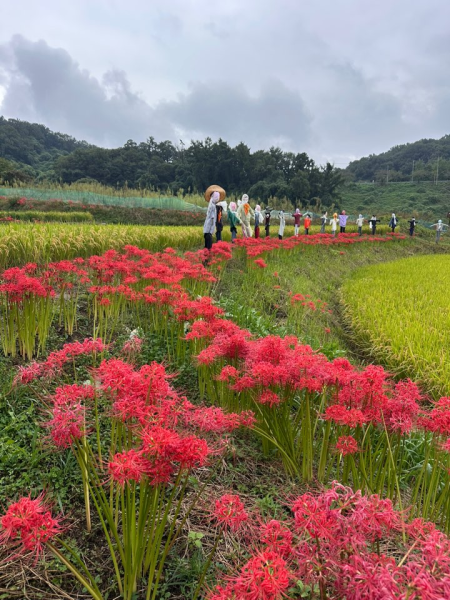
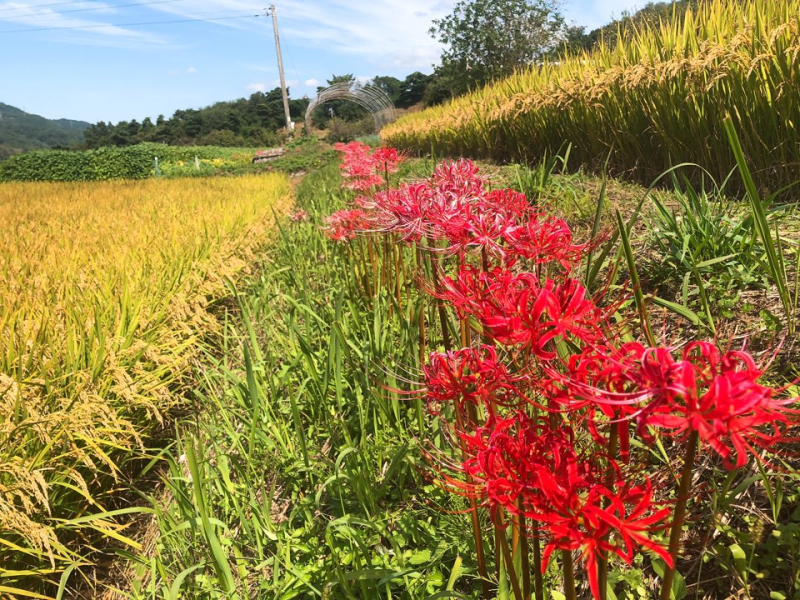
소새울마을에 있는 다랭이논의 논둑에 꽃무릇이라는 꽃을 심는 프로젝트를 한 적이 있습니다. 제초제를 많이 써서 시커메지고 보기 싫은 논둑에 홍성군 지원을 받아 심었어요. 꽃무릇은 다년초라서 한 번 심으면 계속 빨리 번지고, 농사에 걸림돌이 되지도 않고, 두더지가 못 오게 해서 논에서 물이 빠지는 것을 막기도 합니다. 이게 지금은 논둑에 다 퍼져 있습니다. 매년 9월 말 정도에 마을 축제도 하고 있어요. 그리고 소새울마을에서 생산하는 쌀을 다 기업들과 연계해서 기업 ESG 경영의 하나로 팔아줄 수 있도록 했습니다. 기업이 농촌 경관을 살리는 활동을 지원하는 것이지요.
여기에 포럼에서 만난
라이스브루잉시스터즈클럽과 연계하는 활동도 재미있겠다고 생각하고 있습니다. 소새울마을 축제를 주관하는 마을 청년회와 라이스브루잉시스터즈클럽을 연결해서요. 기업이 ESG 경영으로 소새울마을과 협력해서 쌀을 판매할 때 포장지에 꽃무릇 그림을 넣고, 선물로 만들어서 소새울마을 쌀의 부가가치를 더 높일 수 있습니다. 이런 아이디어를 홍성 친구들에게 이야기하니 굉장히 좋아합니다. 혼자 아이디어를 짜는 데 한계가 있거든요. 전혀 다른 분야에 있는 친구들과 이야기하다 보면 자신들이 하는 일의 몇 배가 되는 생각이 막 튀어나오니 좋은 것 같습니다. 다양하게 활동하는 사람들이 모이는 것이 아주 중요하지요.
이 소새울마을처럼 마을마다 특색있는 뭔가를 해보고 싶습니다. 모든 종류의 호박이 가득하고 호박 대회도 하는 호박 특화 마을이라든지, 유명한 홍성 한우를 제대로 먹을 수 있는 레스토랑이라든지, 홍주 목사의 객사를 잘 복원하고 홍주성과 함께 문화 콘텐츠로 개발한다든지. 스마트 스토어에서 홍성 한우, 돼지고기, 딸기, 광천김, 새우젓, 젓갈비 같이 온갖 특산품을 다룰 수 있습니다. 홍성군 브랜드를 만드는 것이지요. 육식 투어, 채식 투어, 유기농 투어 등도 다 할 수 있고, 빈집 리노베이션에서 숙박하고, 퇴직 후에 빈집에서 한 달 살기, 그동안 목공이든 막걸리 만들기든 취미 매칭도 할 수 있습니다. 그런 창업을 하도록 지원할 수도 있을 겁니다. 이런 일들을 군 차원에서 정치와 행정으로 풀거나 마을 사람들을 직접 설득해서 할 수 있습니다.
도시와 농촌의 생활을 공유하는
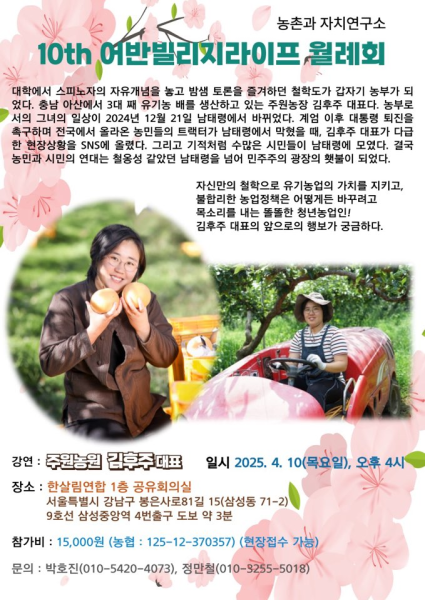
어반빌리지라이프라는 월례 세미나도 하고 있습니다. 요즘엔 잠시 쉬고 있지만요. 세미나에서 귀농 귀촌한 친구들의 이야기를 듣습니다. 아파서 고향 집에 쉬러 왔다가 지역 특산물을 온라인으로 판매하고 농업회사까지 설립하신 분, 술만 만들고 드시는 분, 대학 교수하려다가 갑자기 내려와서 배 농사하시는 분, 이렇게 재미있는 이야깃거리가 있는 친구들이 와서 이야기합니다. 농촌에 오면 도시보다 할 일이 더 많습니다. 더 재미있게 놀 수 있어요. 농촌에 살면서 도시의 생활 방식을 유지하는 것이 가능하다는 것도 알 수 있습니다. 그런 경험을 세미나에서 공유하면서 어려 아이디어들을 만들고 교류하고 있습니다. 모두 지역사회를 살리는 일입니다.
인터뷰, 편집 정소익
Participating in the forum due to my interest in the DMZI've always been interested in the DMZ and Paju City. The International Crane Foundation has been conducting the Anbyon Project since 2006, and I've been involved in related activities and research. The Anbyon area in Gangwon-do, North Korea, was a transit point for cranes, but after the Arduous March, the cranes disappeared entirely, because rice paddies vanished. They wanted to bring cranes back to the area. To this end, migratory bird experts joined us, sowed rice paddies in the winter, and practiced organic farming to support loaches and frogs. As a result, the cranes returned to Anbyon. They passed through the DMZ and made their way to Suncheon Bay. I believed that maintaining the DMZ as it is is far more valuable, so I proposed to the National Assembly that the crane migration route between North Korea, the DMZ, and South Korea be transformed into a Korean Peninsula ecological belt. I've also conducted research on North Korean agriculture. As an agricultural major, I've been particularly interested in the Jangdan soybeans of Paju as well. So, I was very excited to hear that you were holding a forum in the CCZ. Camp Greaves was also a great place. I saw a lot of things I hadn't seen before.
I keep encountering diverse participants
I met a wide variety of people at the forum. There were friends who work in design, art, and art activism, gardeners, farmers, lawyers, a library director, and people involved in beekeeping. It was fascinating and wonderful to see such a diverse group of people conversing, feeling a sense of unity. I thought there might be something we could work on together.
I also met many of these people by chance on Jeju Island, in Hongseong, and in Seoul. They were active and dedicated individuals like those at
AmusebyFarm and the
Songha Garden Lab, and those involved in paddy life. They were all involved in similar activities, but I hadn't known them before, so if I hadn't met them at the forum, I would have simply passed them by. But it turned out we were all connected. Even if I wasn't directly involved with them, I was involved in projects with people around them. They even participated in group activities with people I knew.
Thesis-Antithesis-Synthesis of the Third Paradise
The performance we made together,
Third Paradise DMZ - Memories to Rebuild the Future, was also impressive. It was great to think through the dialectic of thesis-antithesis-synthesis, a concept I hadn't really considered before. We usually don't think about such things in our daily lives. If it's the same, it's right, and if it's the opposite, it's wrong. So it is in most human relationships, in life, and in any event. But the performance made me think about that concept of "synthesis," that "middle ground." It was a valuable experience, and I loved the feeling of energy flowing through me while performing. The ex power magazine space also made the performance even more impactful.
Imagining community change
While it would be incredibly difficult to change the nation by changing the president, I believe that local change can happen very quickly if local administration is well-managed. Community interest and engagement are also crucial.
In 2016, I conducted
a project to plant a flower called "Kkotmurot" (red spider lily) on the ridges of the terraced rice fields in Sosaeul Village, Hongseong. With support from Hongseong-gun, I planted the ridges, which had become bleak and unsightly due to heavy herbicide use. Because Kkotmurot is a perennial, it spreads quickly once planted. It also doesn't interfere with farming, and it prevents moles from entering and draining the rice paddies. Now, it's spread throughout the ridges. The Sosaeul people also hold a village festival every year around the end of September. I've also partnered with companies to sell the rice produced in Sosaeul Village as part of their ESG management initiatives. This supports companies in revitalizing the rural landscape.
I also think that it would be fun to develop activities in collaboration with the
Rice Brewing Sister Club we met at the forum—by connecting them with the Sosaeul Village Youth Association, which hosts the Sosaeul Village Festival. When companies collaborate with Sosaeul Village on ESG management and sell its rice, they can add a Kkotmurot image to the packaging, and make it into a gift, further enhancing the added value of Sosaeul Village rice. When I shared this idea with my friends in Hongseong, they were very excited. It's hard to come up with new ideas by ourselves. Talking with friends in completely different fields allows us to come up with ideas that multiply our own. It's incredibly important for people active in diverse backgrounds to come together.
Like Sosaeul Village, I'd like to try to create something unique for each village—whether it is a pumpkin-specialized village filled with all kinds of pumpkins and even a pumpkin competition; a restaurant where you can savor the famous Hongseong hanwoo beef; or the restoration of the Hongju pastor's guest house and its development, together with Hongju Fortress, into a cultural experience. A smart store could offer a wide range of local specialties, like Hongseong hanwoo beef, pork, strawberries, Gwangcheon seaweed, saeu-jeot (salted fermented shrimp), and jeotgalbi (rib stew with salted fermented shrimp). In this way, a Hongseong-gun brand could be built. We can do things like meat-based tours, vegetarian tours, and organic farming tours. People can also stay in renovated vacant houses, try living in them for a month after retirement, and pursue hobbies like woodworking or makgeolli (rice wine) brewing during their stay. We can support these startups. These initiatives can be addressed through political and administrative means at the county level, or by directly persuading villagers.
I also hold a monthly seminar called
Urban Village Life, which shares experiences of urban and rural life—though it is currently on hiatus these days. At the seminars, I hear stories from friends who have returned to the countryside. Someone returned to her hometown to rest due to illness, but then sold local specialties online and even founded an agricultural company. Another simply makes and drinks alcohol. Another left the path toward becoming a college professor to suddenly start pear farming. Friends with such interesting stories come to share their experiences. There's so much more to do in the countryside than in the city. It's more fun. It shows us that it's possible to maintain a city lifestyle while living in the countryside. We share these experiences at seminars, generating and sharing valuable ideas. It all contributes to the revitalization of the local community.
Interview, edited by Soik Jung
English editing by Alice S. Kim