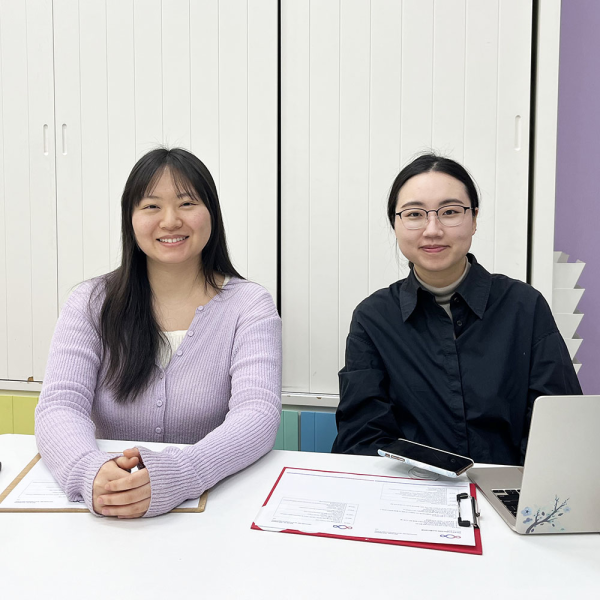
채원, 두두, 2026. 2. 21. @ 서울 영등포구
Chaewon, Doodoo, Febraury 21, 2026 @ Yeongdeungpo-gu, Seoul
about
한국레즈비언상담소 | Lesbian Counseling Center in South Korea포럼, 다양한 활동과 생각이 마주치고 연결된 자리
포럼에서 다른 분야의 활동가들을 만나고 싶었습니다. 굴러라 구르님이라는 유투버를 좋아해서
계단뿌셔클럽이 궁금하기도 했고요. 여러 사람을 만나서 좋았고, 더 많은 분과 이야기 나누지 못해 아쉬웠습니다.
또 좋았던 것은 포럼에서 처음 만나는 다양한 사람들이 앉아서 서로의 생각을 ‘깨는’ 모습, 약간 다른 생각을 할 여지를 갖는 모습을 본 것입니다. 약간 뿌듯하기도 했고요. 저희도 소수자 운동을 하면서 다른 단체와 연대할 때가 있는데, 이주민이나 정신질환, 장애인 운동 이렇게 다양한 분들과 함께 네트워킹하고 서로 알려주는 자리도 마련해 보면 좋겠다고 이야기했습니다. 서로 잘 모르니까, 소수자 단체들끼리 연대해야 사회 전반에 변화를 불러올 수 있으니까요.
그리고, ‘돌봄’에 관해 생각하다
여러 활동가를 만나면서 ‘돌봄’에 관해 여러 생각이 들었습니다. 같은 테이블의
니트생활자,
유스보이스 등의 이야기를 들으니 돌봄이 굉장히 어렵구나, 참 대단한 분들이시라고 느꼈습니다. 동시에 우리의 활동 자체가 역설적으로 소수자, 주변부를 규정하고 시혜적으로 접근하고 있지는 않은지 되돌아보기도 했습니다. 돌봄 대상으로 타자화하고 특별히 대하는 태도보다, 서로 다르지만 같은 시민으로서 함께 돌본다는 자세가 좋겠다는 생각도 했고요.
여성 성소수자 커뮤니티를 보호하고 돌보는 한국레즈비언상담소
상담소 커뮤니티는 스스로 여성이라고 생각하는 성소수자와 함께 합니다. 저희는 이들이 서로의 존재를 확인하면서 안전한 공간으로 나오고 모일 수 있도록 지원해요. 조금 더 편하고 덜 아프게. 고립되지 않도록. 인권 활동을 하고, 상담도 하고, 소모임도 하면서 건강한 커뮤니티가 되도록.
인권 활동은 상담소의 중심 활동입니다. 이슈 파이팅, 레즈비언 가시화 운동을 합니다. 올해는 레즈비언이 많이 사는 지역을 중심으로, 그 지역구에 하고 싶은 이야기를 저희가 대신하려고 합니다. 여성이면서 성소수자인 회원들이 상담소 커뮤니티 안에서만 행복하고 존중받는 게 아니라 밖에서도 똑같이 존중받고 인정받을 수 있도록 사회를 변화시키고자 노력하는 것이죠. 또 여성 내 성폭력을 의제화하려고 노력하고 있습니다.
저희 상담에서 큰 비중을 차지하는 것이 성 정체성 관련 상담입니다. 한국 여성의 전화라든지 다른 여성 상담 창구는 많지만, 성 관련, 성 정체성 고민이나 의문을 상담할 수 있는 곳이 사실 별로 없어요. 저희는, 보수적이라 할 수 있지만, 커밍아웃을 권유하는 공격적인 태도보다 여러 상황과 결과를 알려주고 내담자가 본인 상황에 맞게 신중하게 생각하도록 알려줍니다. 일단 여성 성소수자를 잘 지키는 게 상담소의 일이라는 기조가 있습니다. 상담소 출발도 그랬고요. 상담은 상담사 양성 과정을 거친 상담팀에서 진행합니다. 상담팀에는 직업이 상담사이시거나 전공이신 상담사분들도 계시고 그냥 상담에 관심이 있는 비전공자분들도 계세요. 다 자원 활동이고요. 지금 13명 정도 있고, 게시판 상담을 주력으로 합니다. 올해는 대면 상담으로 넓힐 계획입니다.
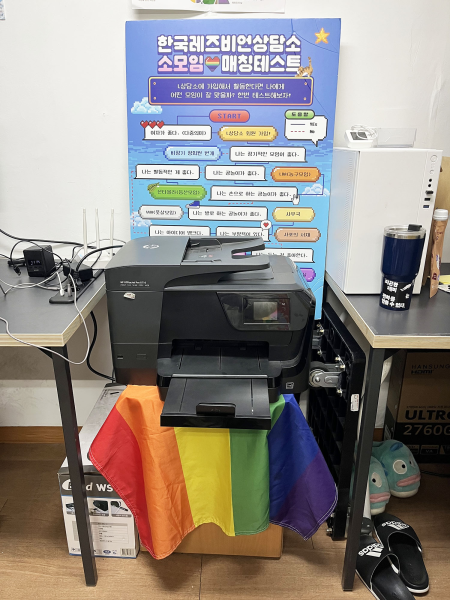
소모임은 회원들이 자연스럽게 함께 모이고 연결될 수 있도록 지원하는 활동 중 하나입니다. 지금 소모임은 4개, 프로젝트팀 2개 운영 중이에요. 회원들이 서로의 안부를 나누고 이어질 수 있도록한 달에 한 번은 꼭 모임을 합니다.
모두 끊임없이 공부해야 한다
저희는 활동가로서 퀴어, 성소수자를 이야기하면서 페미니즘도 같이 고민하고 공부해야 하고, 다양한 관점과 논의가 존재하는 만큼 이를 충분히 이해하고 더 적절하게 대응하기 위해 꾸준한 공부와 논의가 필요합니다. 그런데 공부는 활동가 포함 모두에게도 필요해요. 기본적으로는 차별하지 않기, 존중하기, 무의식적으로 여성 혐오적이거나 여성 대상화하는 것을 주의하기 등을 함께 이야기하는 것이 중요하고, 커뮤니티 안에서 낙인찍거나 배제하지 않도록 노력하는 것도 필요합니다. 저희는 모임 활동할 때 약속문을 읽고 시작하면서 서로 존중하는 것을 잊지 않으려 해요.
서울에서는 학생인권조례가 폐지되었고, 그 안에 있던 성적 지향에 관한 내용도 없어진 실정입니다. 성소수자를 포함한 다양한 계층에 대한 인권교육이 필요하고 국가교육 차원에서 논의가 되었으면 합니다.
올해 활동
올해에는 상근 활동가가 1명에서 2명으로 늘어났습니다. 더 힘내서 다양한 활동을 하려 합니다. 여성 교제 폭력에 관한 워크숍을 이어가자는 계획이 있고, 여성 성소수자에 관한 의견을 더 피력하기 위해 정치가와 접촉하고 질의하면서 외연을 확장하는 작업도 생각하고 있습니다.
다른 단체들과 함께 활동을 많이 하는 것도 목표 중 하나입니다. 저희 의지를 더 단단하게 하기 위해서이기도 합니다. 교제 폭력과 연관하여 레즈비언 성교육이나 재생산권 등의 의제에 관해 활동하시는 분들과 교류하고 연대하려 합니다.
인터뷰, 편집 정소익
The Forum: Where Diverse Activities and Ideas Come Together and Connect
We wanted to meet activists in other fields at the forum. We were also curious about the
Stair Crusher Club because we like the YouTuber Rolling GURU. It was great to meet various people, but it was also a pity that we couldn't talk to more of them.
Another highlight was seeing diverse people—meeting for the first time at the forum—sit down together and challenge each other's ideas, creating room for slightly different perspectives. It gave us a sense of pride. Since we, too, collaborate with other organizations sometimes in our minority advocacy activism, we discussed the idea of organizing networking sessions and mutual exchanges with diverse groups, such as those advocating for migrants, people with mental health issues, and people with disabilities. Since we don't know much about each other, it’s only by working together that minority rights groups can bring about change across society as a whole.
Reflections on ‘Care’
Meeting various activists gave us much to think about regarding ‘care.’ Listening to the stories of
NEET PEOPLE and
YouthVoice, we realized just how difficult care is and felt that these people are truly remarkable. At the same time, we also reflected on whether our activism itself might, paradoxically, be defining minorities as marginalized groups and approaching them in a patronizing manner. We also thought that rather than treating people as objects of care--othering them and treating them as special cases—it would be better to adopt an attitude of caring for one another as fellow citizens, despite our differences.
Lesbian Counseling Center in South Korea: Protecting and Caring for Sexual Minority Women
The Counseling Center's community stands with sexual minorities who identify as queer women. We support them in confirming each other's existence, coming out into a safe space, and gathering together. A little more comfortably and with less pain—so that they are not isolated. We strive to build a healthy community through human rights activism, counseling, and small group activities.
Human rights activism is the center's core activity. We engage in "issue fighting" and campaigns to raise the visibility of lesbians. This year, we plan to focus on areas with large lesbian populations and speak out on their behalf, voicing their needs in those districts. We are working to change society so that our members, who are women as well as sexual minorities, are not only happy and respected within our center's community but are equally respected and recognized outside of it as well. We are also working to bring sexual violence between women to the forefront of our agenda.
A significant portion of our counseling consists of counseling related to sexual identity. While there are many other counseling services for women, such as the Korean Women's Hot-line, there are actually very few places where one can seek counseling regarding sexuality or concerns and questions about gender identity. While we may be considered conservative, rather than adopting an aggressive stance of pressuring clients to come out, we inform them of various situations and outcomes, guiding them to think carefully according to their own circumstances. Our core principle is that the counseling center’s role is, first and foremost, to protect female sexual minorities. This was the foundation of our center's inception as well. Counseling is conducted by a team of counselors who have completed counselor training. The team includes professionals who are counselors by profession or those who majored in counseling, as well as non-specialists who are simply interested in counseling. Everyone is a volunteer. We currently have about 13 members and primarily provide counseling through an online bulletin board. We plan to expand into in-person counseling this year.
Small groups are one of the activities designed to support members in naturally gathering and connecting with one another. We currently operate four small groups and two project teams. We make sure to hold a meeting at least once a month to help members catch up and stay connected.
Everyone Must Continue Learning
As activists, while discussing queer issues and sexual minorities, we must also engage with and study feminism. Given the existence of diverse perspectives and debates, continuous study and discussion are necessary to fully understand the issues and respond more appropriately. This kind of learning is necessary for everyone, including activists. Fundamentally, it is important to talk together about not discriminating, showing respect, and being mindful of unconscious misogyny or the objectification of women. It is also necessary to strive to avoid stigmatizing or excluding others within the community. When we begin our group activities, we read a pledge to ensure we do not forget to respect one another.
In Seoul, the Student Rights Ordinance has been abolished, and the provisions regarding sexual orientation that were included in it have also been removed. Human rights education for diverse groups, including sexual minorities, is necessary, and we hope this will be discussed at the level of national education.
Activities This Year
This year, the number of full-time activists has increased from one to two. We intend to work harder and carry out a variety of activities. We plan to continue workshops on violence within women’s relationships, and we are also considering expanding our reach by engaging with politicians—raising questions and voicing opinions more actively on issues concerning sexual minority women.
Another of our goals is to collaborate extensively with other organizations. This is also a way to strengthen our resolve. We intend to interact and build solidarity with those working on issues related to dating violence, such as lesbian sex education and reproductive rights.
Interview, edited by Soik Jung
English editing by Alice S. Kim