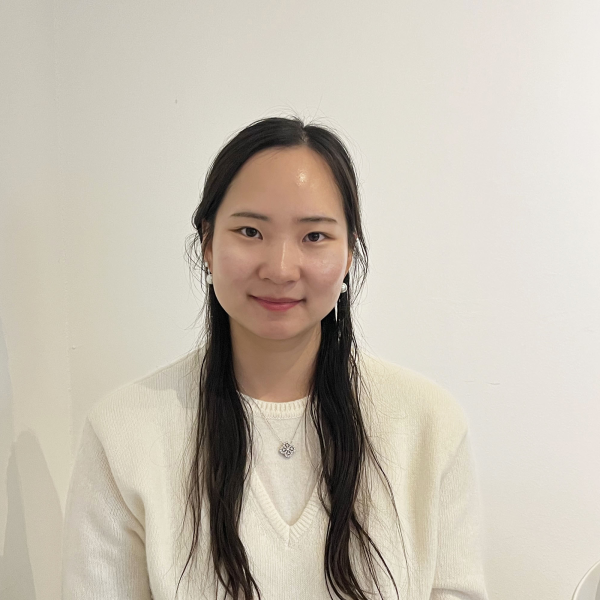
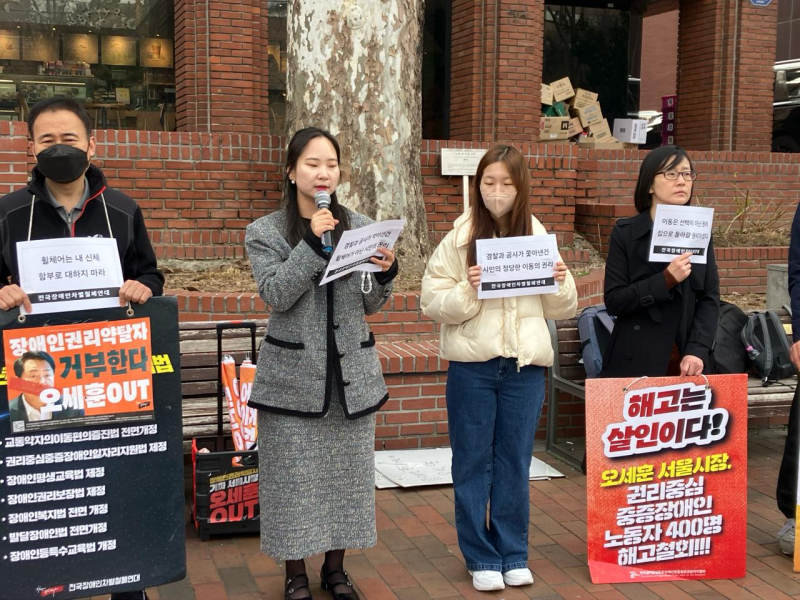
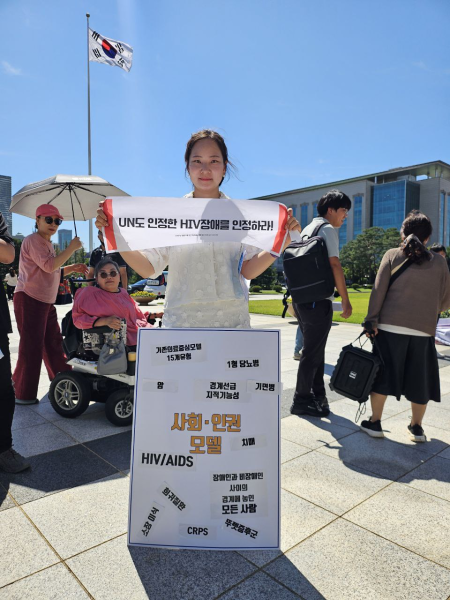
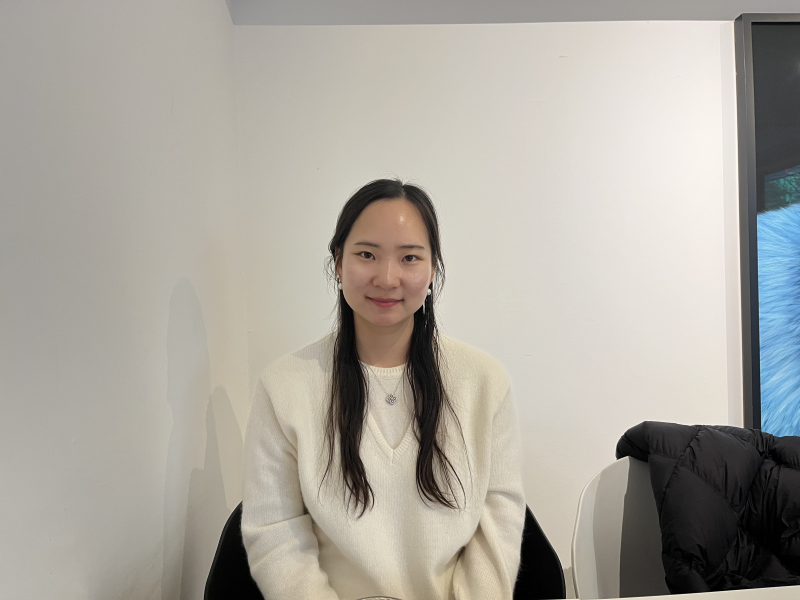
조인영, 2026. 2. 3. @ 서울 중구
Inyoung Cho, February 3, 2026 @ Jung-gu, Seoul
about
공익인권법재단 공감 | GongGam Human Rights Law Foundation공익 활동과 예술 활동 연계의 가능성을 보다
예술적인 활동과 공익 활동이 연계된다는 생각을 못 해봤는데 포럼에서 작품 설치를 함께하면서 이 둘이 같이 갈 수 있다는 가능성을 보았습니다. 함께 뭔가를 하면서 연대감을 느낄 수도 있는 거구나, 예술 활동을 같이하는 게 사람들의 연대를 만드는 데 좋을 수 있겠다는 것을 느꼈어요. 포럼에서 가장 인상 깊었던 것입니다.
더 시야를 넓혀서 생각해 보게 되었다
저는 장애 인권과 재난 참사 관련 공익 활동을 하는데, 그러다 보면 그 외에는 사실 신경을 못 쓰기도 하고 다른 분야의 사람들은 만나기 어렵습니다. 저와 연대하는 사람들 위주로 만나게 되죠. 포럼에서 다양한 영역에서 활동하시는 분들 이야기를 들으면서 제가 하고 있던 활동에 비유해 보고 공통점을 찾기도 하는 시간이 의미 있었습니다. 말과 글 위주의 활동 외에 직접 체험하고 더 삶에 가까운 활동도 있다는 것을 많이 느꼈어요. 더 시야를 넓혀서 생각해 보게 되었습니다.
공감이 활동하는 영역이 여러 개이지만 환경, 생태처럼 공감이 다루지 않는 영역도 있습니다. 이런 영역에서 활동하시는 분들과 함께 연계하고 우리도 참여해 볼 수 있는 기회가 있으면 좋겠다고 생각했습니다. 다른 영역이 어떻게 작동하는지, 어떤 인권 이슈가 있는지 알 수 있을 겁니다.
인권 보호를 위해 기본적으로 인식 개선이 필요하다
저는 현장에서 칸막이 행정의 모순과 사각지대도 발견하고, 담당 기관의 무신경함, 복지부동의 자세도 발견합니다. 지적장애, 발달 장애가 정신질환으로 분류되어 장애정책과 정신건강 복지법 사이에서 서로 미뤄지거나, 탈시설을 추진하는 기관이 절차 조력인 제도를 모르고 경각심도 없는 경우, 정신질환자나 장애인에 대한 감수성이 현저히 떨어지는 담당자를 보게 되죠. 그러면서 제가 많이 생각하는 것은 인식 개선이 기본적으로 필요하다는 것입니다. 지원도 물론 필요하지만요. 정형화된 시민, 정형화된 나의 이웃만 생각하는 틀에서 조금만 벗어나면 사람들이 장애를 어떤 두려움으로 느끼거나 혐오로 느끼는 것이 줄어들 것입니다. 조금 다르다는 것, 다른 방식으로 의사소통한다는 것에 조금만 더 마음을 열고 포용성을 가지면 충분히 수용할 수 있을 거예요. 일상생활뿐 아니라 모든 과정, 행정 절차에서 다 마찬가지입니다. 이렇게 모든 사람이 인식을 바꾸지 않으면 장애인한테 지원해 준다는 것만으로는 함께 살기가 어려운 것 같아요. 인식 개선이 우선입니다.
인식 개선은 장애인의 노동에도 필요합니다. 지금은 노동을 통해 어떻게든 독립적으로 어느 정도 사회생활 해서 시민으로 인정받도록 하는 게 아니라 그냥 지원해 줄 테니 살라는 식으로 접근합니다. 하지만 장애인의 노동은 회복에 직결돼요. 제가 도와드렸던 분 중에 정신질환으로 오랫동안 부모님에게 의지하면서 사회생활을 못 하셨던 분들이 최근 장애인 취업 기회를 통해 일을 시작했습니다. 온전히 5일을 못 하지만 3일이나 주말만 일하면서 일정 급여를 받고 사회활동을 하게 되었어요. 그러면서 많은 분이 회복되었습니다. 내가 인정받는 느낌, 더 이상 의존하지 않는 만족감, 그래서 회복했던 분들이 정말 많아요. 약물로도 안 되던 것이죠. 그런데 사람들은 그것에 대한 이해가 없습니다. 얼마나 당사자에게 큰 일인지를 잘 모르는 것 같아요.
저는 학부나 로스쿨에서 인식 개선을 강의합니다. 많은 사례를 나누려 하고요, 탈시설, 장애인의 이동권 시위 이야기도 합니다. 시설에서 나와 우리가 모두 함께 사는 이웃으로 집에서 살면 휠체어를 타고 버스를 타기도 하고, 그러면 버스나 지하철이 느려지는 게 너무 당연하다, 그런데 그걸 못 하게 하고, 서울교통공사는 비장애인 기준만 적용해서 지연에 대한 손해배상을 청구하니 시위도 하는 것이라고 설명합니다. 대중교통은 모두를 위한 것인데 지금처럼 딱 맞는 시간에 정차해야 하고 바로 떠나야 한다는 것은 우리가 비장애인 시각으로만 생각하는 것임을 다시 생각해 봤으면 좋겠다고 말해요. 공공교통의 목적이 뭔지 생각해 봐야 합니다.
회복을 위해 쉬어가려 한다
재난, 참사, 인권 유린 같은 이야기를 매일 듣고 힘든 사람들 사이를 중재하다 보면 저도 스트레스를 받습니다. 처음에는 상담도 성심성의껏 하지만 어느 순간 전화 받기가 힘들고 화도 나기도 하고요. 잠을 자거나 친구들을 만나면서 스트레스를 풀고, 일이 힘들다고 못 느낀다고 생각했는데 언젠가부터 일이 많지 않아도 계속 불안한 상태에 있었습니다. 조금 심각하다 싶어서 상담을 받았어요. 상담사는 저에게 소진이 이미 2023년도에 왔고, 쉬어야 한다고 조언해 주었습니다. 일이 없어도 진정이 안 되니 쉬어야 한다는 것이죠. 그래서 2월 한 달 안식월을 가지려 합니다. 그냥 쉬고, 책도 읽고, 미술관에도 가고. 여가생활을 하고 일상을 누리면서 회복하는 시간을 가지려고요.
그래도 사람에게서 힘을 얻는다
일 자체보다 사람을 상대하는 게 힘들지만, 그래도 사람에게서 힘을 얻습니다. 좋은 결과가 나왔을 때 느끼는 보람은 의외로 짧아요. 승소의 기쁨은 하루를 못 가더라고요. 다 끝났다, 더 이상 안 해도 된다, 털어냈다는 게 더 커요. 그런데 사람들과 같은 문제의식에 관해 이야기하고, 연대를 넓혔을 때 힘이 납니다. 이태원 참사 일이 너무 힘들지만, 오히려 가족들을 보면 힘이 나요. 포기하고 싶고 쉬고 싶을 때도 가족들과 만나서 이야기하면 열심히 해야지 마음 다잡게 되고 이들에게서 활력을 많이 얻습니다. 그래도 같은 사람만 만나면 타성에 빠지기도 해서, 더 궁금한 거에 전문성을 더 쌓고 싶어서 공부도 하고 학회 활동도 합니다. 제 분야에 전문성을 더 쌓아갈 때 보람을 느껴요.
인터뷰, 편집 정소익
Exploring the Possibilities of Linking Public Interest and Artistic Activities
I hadn't previously considered that artistic and public interest activities could be linked, but while working on the artwork installation together at the forum, I saw the potential for the two to go hand in hand. I realized that one can feel a sense of solidarity while doing something together, and that engaging in artistic activities together could be beneficial for fostering solidarity among people. This was the most impressive aspect of the forum.
I Came to Broaden My Perspective
I engage in public interest activities related to disability rights and disaster tragedies. Because of this, I often fail to pay attention to other areas, and it is difficult to meet people from other fields. I tend to interact mainly with those who stand in solidarity with me. It was meaningful to listen to the stories of people active in various fields at the forum, comparing them to my own activities and finding commonalities. I realized that beyond activities focused on words and writing, there are also activities that involve direct experience and are closer to everyday life. This led me to broaden my perspective.
While GongGam operates in many areas, there are also fields, such as the environment and ecology, that we do not cover. I thought it would be good to have opportunities to connect with and participate alongside those working in these areas. We would be able to learn how other fields operate and what human rights issues they address.
Fundamentally, Awareness Improvement Is Necessary for the Protection of Human Rights
In the field, I discover contradictions and blind spots in compartmentalized administration, as well as the insensitivity and inertia of the responsible agencies. I see cases where intellectual and developmental disabilities are classified as mental illnesses, causing them to be passed back and forth between disability policies and the Mental Health Welfare Act; where institutions promoting deinstitutionalization are unaware of the procedural assistance system and lack any sense of urgency; and where officials demonstrate a significantly low sensitivity toward the mentally ill or the disabled. Through these experiences, I often think that improving awareness is fundamentally necessary. Support is, of course, also needed. However, if we can just break free from the mold of thinking only of stereotypical citizens or stereotypical neighbors, people will feel less fear or aversion toward disability. If we open our hearts a little more and cultivate inclusiveness toward the fact that things are slightly different or communicate in different ways, we will be able to fully accept this diversity. This applies not only to daily life but to every process and administrative procedure. Unless everyone changes their perception in this way, it seems difficult to live together with the disabled solely through the support provided. Improving awareness is the priority.
Improving awareness is also necessary for the labor of the disabled. Currently, the approach is not to help them become independent and participate in society to some extent through labor so that they are recognized as citizens, but rather to simply tell them to live because we will provide support. However, employment for people with disabilities is directly linked to recovery. Among those I have helped, there were individuals who had long been unable to lead social lives due to mental illness and relied on their parents; recently, they began working through employment opportunities for people with disabilities. Although they cannot work a full five days a week, they are now able to engage in social activities by working three days a week or just on weekends, receiving a fixed salary. Through this, many of them have recovered. There are so many who recovered because of the feeling of being recognized and the satisfaction of no longer being dependent. This was something that even medication could not achieve. However, people do not understand this. It seems they do not fully realize how significant this is for those directly concerned.
I do lectures on improving awareness at undergraduate programs and law schools. I try to share many case studies, and I also discuss deinstitutionalization and protests for the mobility rights of people with disabilities, explaining that when we leave facilities and live together as neighbors, people in wheelchairs sometimes take buses, and it is only natural that buses or subways slow down. However, they are often prevented from using buses or subways, and furthermore the Seoul Metro is claiming damages for delays by applying only the standards of non-disabled people—this is why protests take place. I underline that public transportation is for everyone, and we should reconsider the idea that it must stop at a precise time and depart immediately, as is currently the case, as we think only from a non-disabled perspective. We need to reflect on the true purpose of public transportation.
I Plan to Take a Break For Recovery
Hearing stories of disasters, tragedies, and human rights abuses every day, and mediating between people who are struggling, causes me stress as well. At first, I provide counseling with the utmost sincerity, but at some point, it becomes difficult to answer the phone, and I would even find myself getting angry. I used to relieve stress by sleeping or meeting friends, and I thought I didn't feel the work was very difficult; however, at some point, I found myself constantly anxious even when the workload was not heavy. Feeling that it was becoming a bit serious, I sought counseling. The counselor advised me that burnout had already set in back in 2023 and that I needed to rest. She explained that since I cannot calm down even when there is no work, I need to take a break. Therefore, I plan to take a one-month sabbatical for the month of February. I intend to simply rest, read books, visit art museums, and spend time recovering by enjoying leisure activities and everyday life.
Still, I Draw Strength from People
Dealing with people is harder than the work itself, but I still draw strength from them. The sense of accomplishment I feel when a good result comes out is surprisingly short-lived. The joy of winning a case doesn't last even a day. The feeling that it's all over, that I don't have to do it anymore, and that I've let it go is much greater. However, I gain strength when I talk with people about shared concerns and expand solidarity. The work on the Itaewon tragedy is incredibly difficult, but seeing the families actually gives me strength. Even when I want to give up or rest, meeting and talking with the families helps me steel my resolve to work hard, and I gain a lot of vitality from them. Still, meeting only the same people can lead to stagnation, so I study and participate in academic activities to build expertise in areas I am more curious about. I feel a sense of fulfillment as I continue to build greater expertise in my field.
Interview, edited by Soik Jung
English editing by Alice S. Kim