about 유기농펑크 | organicpunk
분해정원, 동네의 순환 공동체
저희는
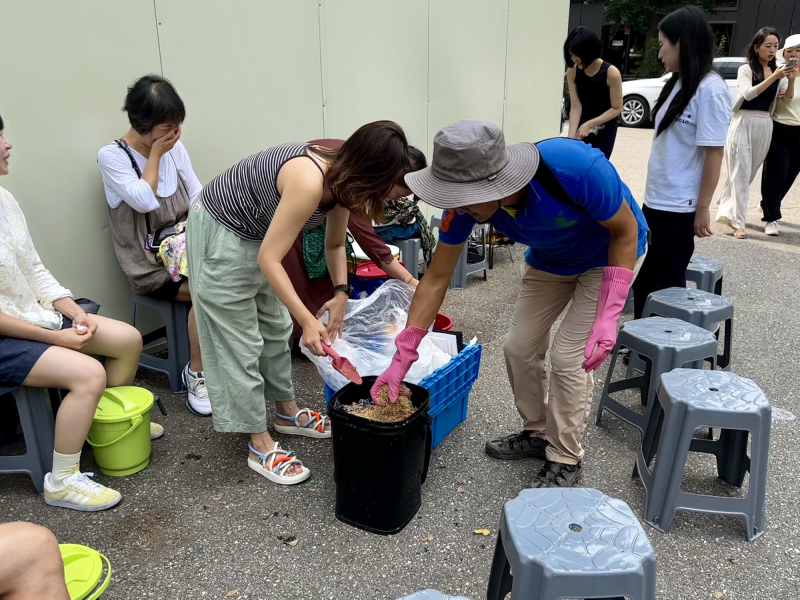
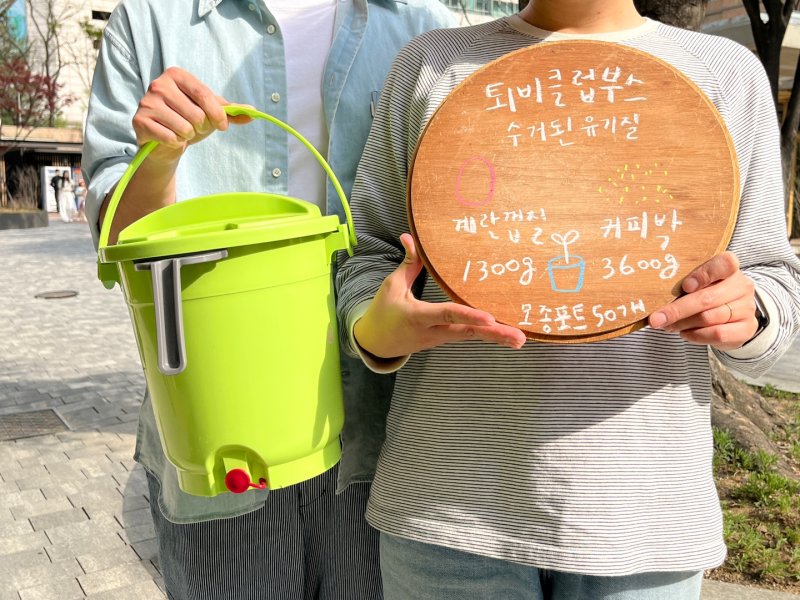
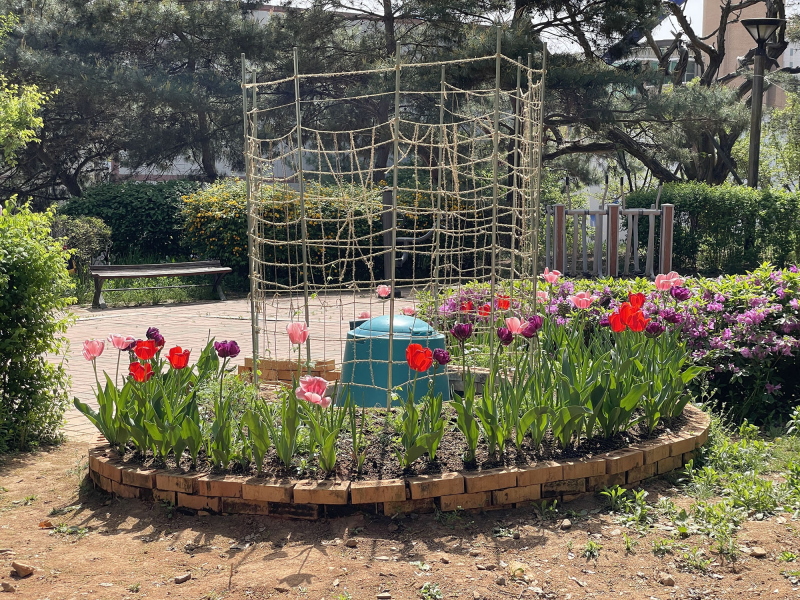
분해정원이라는 동네 공동체를 운영하고 있습니다. 햇수로 6년 되었어요. 음식물 쓰레기 모아서 퇴비로 만들고, 그 퇴비를 동네 정원에 사용하는 공동체입니다.
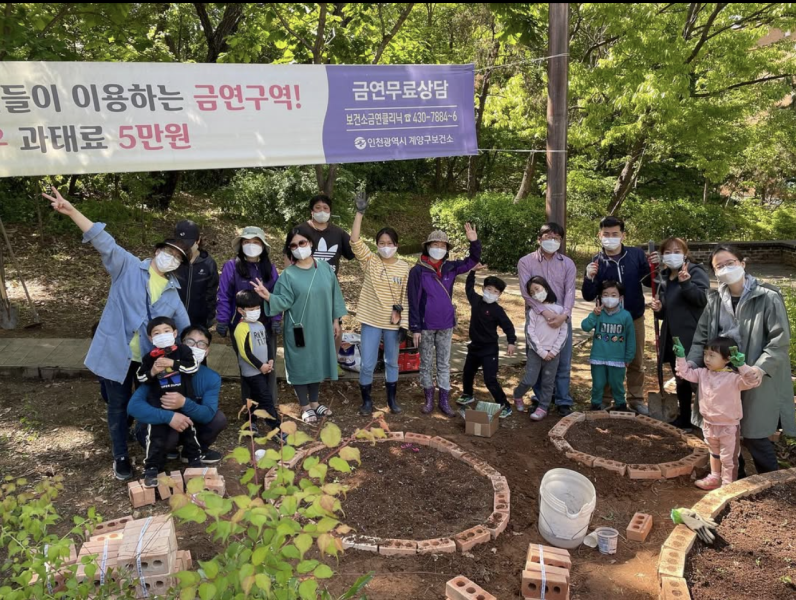
공동체 만들기 전부터 음식물 쓰레기를 퇴비화하는 작업을 했었는데, 쓰레기를 개인이 없애는 일이 굉장히 효능감이 높고 너무 좋은 퇴비가 되니까 이 모델을 동네 차원에서 해보고 싶었습니다. 동네 안에서 음식물 쓰레기부터 퇴비 사용까지 다 이루어지는 게 가장 이상적이니까요. 그래서 동네에 사는 환경 운동가가 조언한 대로 주민자치회에 가입하고 같이할 사람들을 모았습니다. 처음에는 음식물 쓰레기를 공짜로 버리는 줄 알았던 사람들이 왔다가 나가기도 했고, 여러 우여곡절이 있었습니다. 그러다가 4명이 화단 만들고 퇴비를 만들기 시작하면서 분해정원이 출발했습니다. 동네의 귤현동 네이버 카페에 사진이랑 글 올리면서 항상 회원을 모집하고요. 그렇게 여기까지 왔습니다.
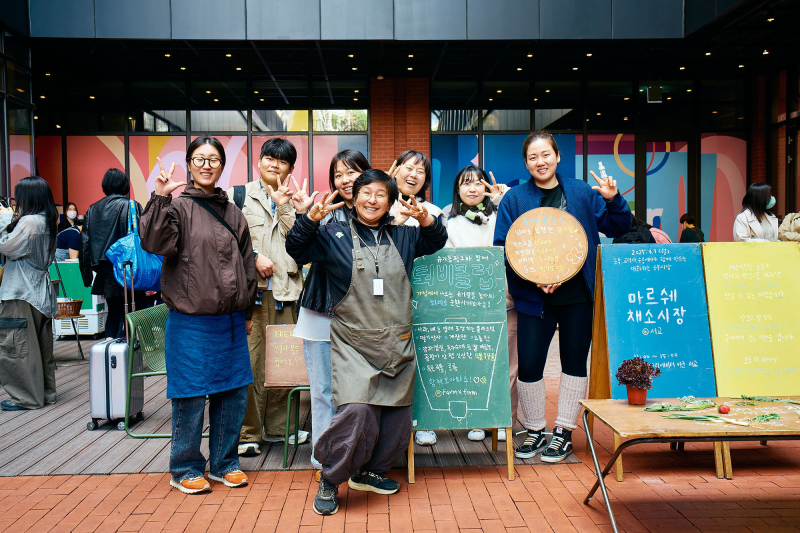
저는 사실 작은 동네 단체가 되길 바랐습니다. 환경 의제에 목소리를 내고 정치적인 액션도 있는 단체요. 거창하지는 않아도 그런 모임을 만들 수 있다고 기대했었습니다. 그런데 막상 시작해 보니 동네 사람들이 생각하는 바와 일상이 서로 많이 달랐고, 우리의 취지를 이해시키는 데 쉽지 않을 때가 때가 많았습니다. 우리가 지향하는 바는 환경 운동(activism)에 가까운데, 사람들이 원하는 어떤 체험 활동(activities)과 차이가 있었죠. 마르쉐 같은 곳에서 활동할 때와 동네에서 활동할 때의 접근법은 확실히 달라야 했습니다. 시행착오가 있었고 공동체의 부침도 있었지만 5년이 지나가니 어느 정도 응집력이 있는 공동체가 만들어졌습니다.
동네 활동에서 다양성, 포용의 가치를 배우다
한국이 산업화하고부터 가족, 직장, 학교 정도 외의 공동체를 경험하기 어려워진 듯합니다. 동네 공동체의 경험이 거의 없어요. 항상 나랑 생각이 비슷한 사람들과만 어울리는 거죠. 그런데 동네 활동을 하다 보면 정말 다양한 사람들을 만나게 됩니다. 책 모임에서 이런저런 이야기를 나누다 보면 깜짝깜짝 놀랄 때가 많아요. 5년 동안 본 사람들인데도, 같은 동네에 살아도 사는 세계가 정말 다르다는 것을 종종 느낍니다. 그렇지만, 나와 생각이 다른 사람들, 정치적 관점이 다른 사람들도 어쨌든 다 같은 생활인으로서 열심히 살고 있다는 것에서 공감대를 형성하게 됩니다. 나와 생각이 다르더라도 다들 나름 나처럼 열심히 살고 있는 이들이구나 생각하면 기본적인 포용이 생겨요. 분해정원에서 동네 사람들이 생각을 바꾸는 걸 보면 감동하기도 하고, 동네 사람들에게서 배우기도 합니다. 동네 활동을 안 했으면 너무 제 세계 안에서만 살고 있을 것 같아요. 제가 세상을 보는 태도나 사람들을 보는 태도에 관해 많은 생각을 하게 되었습니다.
아무리 온라인 시대라 하더라도 어쨌든 동네에서 뭔가를 계속하려는 노력은 필요하다고 생각합니다. 생각과 성격이 전혀 다른 사람들이 같은 공간에 함께 머물면서 어떻게든 잘 지내려고 노력하는 게 사실 진정한 민주주의의 요체인 듯해요.
퇴비클럽, 고관여층과의 순환 공동체
분해정원은 저희의 베이스캠프이고 집이지만 여기 활동에 아쉬움도 있어서
마르쉐에서
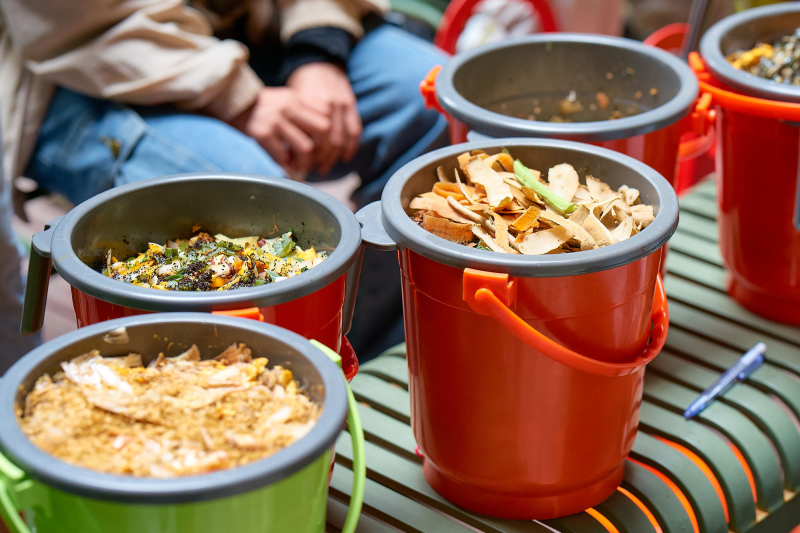
퇴비클럽을 4년째 하고 있습니다. 기본적으로 마르쉐에 오는 사람들은 환경, 순환, 농사에 관심이 있고 소비 이상의 뭔가에 적극 참여하고 싶어하니까요. 퇴비클럽에서 소비자들에게 음식물 쓰레기를 편하게 퇴비로 만드는 방법을 알려줍니다. 사람들이 제일 두려워하는 벌레, 곰팡이, 악취 같은 문제 없이 퇴비를 만들 수 있도록 해요. 농민과 연결도 해줍니다. 소비자들은 집에서 직접 퇴비를 만들어서 장 보러 오는 길에 가져오고요, 농민들은 시장에 출점하는 길에 소비자들이 만든 퇴비를 가져갑니다. 퇴비에 필요한 에너지가 제로섬인 거죠.
퇴비클럽의 가장 최종 목표는 농장을 중심으로 하는 순환 네트워크를 만드는 것입니다. 사람들이 직접 농장에 찾아가서 농산물을 사고, 자기 퇴비도 비우고 오는. 마르쉐에서 이제 4년째 같이 하시고 있는 분들 사이에서 고양시나 파주 쪽에 이런 모델이 만들어지고 있습니다. 굳이 마르쉐까지 가지 않더라도 서로 개인적으로 연락을 하면서 퇴비 만들면 가져다주고, 거기서 농산물 사 오기도 합니다. 일손 많이 필요할 때는 도와주기도 하고요. 농가 입장에서 장에 내다 파는 것도 중요하지만, 장에 매일 나가는 데 한계가 있으니, 소비자와 어떤 관계가 만들어져서 자신의 농장에 오기도 하는 게 중요합니다. 퇴비는 이런 연결을 위한 고리가 됩니다. 너무 좋은 매개인 거예요.
포럼, 나를 붙잡는 기회가 되었다
분해정원과 퇴비클럽, 제가 이 공동체 생활을 5년, 6년 동안 어떻게 버텼는지 생각해 보면, 주기적으로 외부와 연결될 기회들이 많아서였던 것 같습니다. 인터뷰나 포럼 같은 것들이요. 이런 기회들이 저를 붙잡아 주었다고 느낍니다.
저처럼 자기를 갈아 넣는 사람들이 아주 많을 텐데요, 이들이 모여서 뭔가 함께 할 수 있는 자리가 있으면 좋겠습니다. 포럼이 그런 자리였습니다. 다만 이야기를 나눌 기회가 너무 부족해서 좀 아쉬웠습니다. 프로그램이 빡빡하고 할 일이 많다 보니 다른 분들과 친해질 기회가 없었어요. 같은 테이블에 있는 사람들과 이야기하는 것도 빠듯해서 다른 분들, 다른 농업인들과 거의 이야기를 나누지 못했습니다. 서로 더 알 수 있는 자리가 있으면 좋겠습니다.
인터뷰, 편집 정소익
Compost Garden, a Neighborhood Circular Community
We run a neighborhood community called
Compost Garden. It has been six years now. It is a community that collects food waste, turns it into compost, and uses that compost in neighborhood gardens.
We had been composting food waste even before we established the community. Since the process felt highly effective on an individual level, and the compost it produced was excellent, we wanted to try this model at the neighborhood level. After all, the most ideal scenario is for everything—from food waste disposal to using compost—to take place within the neighborhood. So, following the advice of an environmental activist living in the area, we joined the residents' association and gathered people to work with us. Initially, there were many ups and downs; some people came thinking they were just disposing of food waste for free and then left. Eventually, Compost Garden began when four of us started building flowerbeds and making compost. We constantly recruited members by posting photos and writings on the Gyulhyeon-dong online Naver Cafe. That is how we have come this far.
Actually, we hoped for a small neighborhood group. A group that voices its opinions on environmental issues and engages in political action. We expected that we could create such a gathering, even if it wasn't grandiose. However, once we actually started, we found that the locals' perspectives and daily lives were quite different from ours, and there were many times when it was difficult to communicate our purpose. Our goals were closer to environmental activism, but people wanted something more like experiential activities. The approach had to be distinctly different when working at places like marché compared to working in the neighborhood. There were trials and errors and ups and downs within the community, but after five years, a community with a certain degree of cohesion has been established.
Learning the Values of Diversity and Inclusion Through Neighborhood Activities
Since Korea industrialized, it seems difficult to experience a community beyond just family, work, and school. We have almost no experience with local neighborhood communities. We always ended up socializing only with people who shared similar views. However, engaging in neighborhood activities allows us to meet a truly diverse range of people. We are often surprised while chatting about various things at book clubs. Even though we have known these people for five years and we live in the same neighborhood, we frequently feel that our worlds are truly different. Nevertheless, we find common ground in the fact that even those with different thoughts or political views are, after all, all living their lives diligently in their own ways. When we realize that even if they think differently from us, they are striving just as we are, we develop a basic sense of inclusion. We are moved when we see them change their perspectives at the Compost Garden, and we also find ourselves learning from them. If we hadn't participated in these neighborhood activities, we would have continued living solely within our own world. It has led us to reflect deeply on our attitude toward the world and toward people.
Even in this online era, we believe it is necessary to make an effort to sustain something within the neighborhood. It seems that the true essence of democracy lies in people with completely different thoughts and personalities sharing the same space and trying their best to get along.
Compost Club, A Circular Community with Highly Involved Participants
Although Compost Garden is our base camp and home, we felt a lack of activity here, so we have been running the
Compost Club at
marchés for four years. Fundamentally, people who visit marchés are interested in the environment, circularity, and farming, and they want to actively participate in something beyond mere consumption. In the Compost Club, we teach consumers how to easily turn food waste into compost. We ensure that they can make compost without the problems people fear most, such as insects, mold, and foul odors. We also connect them with farmers. Consumers make compost at home and bring it back on their way to the market, while farmers take the compost made by consumers on their way home from the market. It is a zero-sum system in terms of the energy required for composting.
The ultimate goal of the Compost Club is to create a circular network centered around farms. It is a model where people visit farms in person to buy produce and empty their own compost. Among those who have been working with us at marché for four years now, this model is being established in areas like Goyang and Paju. Even without having to go all the way to marché, people keep in touch personally; they bring compost they have made and purchase produce from the farms, they also help out when a lot of extra hands are needed. From a farmer's perspective, selling at the market is important, but since there are limits to going every day, it is crucial to build relationships with consumers so they visit the farm. Compost serves as a link for these connections. It is quite an excellent medium.
The Forum Helped Sustain Me
When I (Arom) reflect on how I have endured this community life—the Compost Garden and the Compost Club—for the past five to six years, I believe it was because there were frequent opportunities to connect with the outside world. Things like interviews and forums. I feel that these opportunities are what kept me grounded.
There must be many people who pour their hearts and souls into this, just like I do, and I wish there were places where they could gather and do something together. The forum was just such a place. However, it was a bit disappointing that there were so few opportunities to talk. Because the program was packed and there was so much to do, I didn't have a chance to get close to others. It was so tight that I barely had time to talk to the people at my table, so I barely had the chance to speak with others, including other farmers. I hope there will be more opportunities for us to get to know each other better.
Interview, edited by Soik Jung
English editing by Alice S. Kim