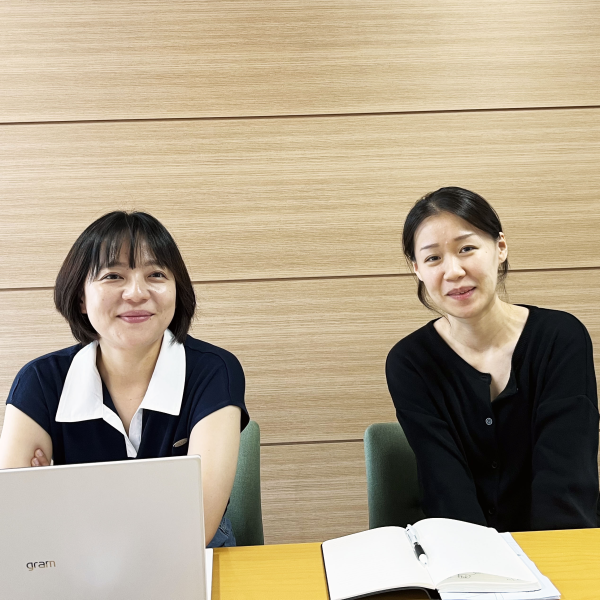
강미선 박은경, 2026. 7. 15. @ 서울 성동구
Misun Kang, Park Eun-kyung, July 15, 2026 @ Seongdong-gu, Seoul
about
주식회사 282북스 | 282 corperation탈가정 청년의 지역 정착을 돕는 프로젝트, 그동안 준비 작업을 거쳐 남원에 사단법인 전환을 염두에 둔 비영리 임의단체를 설립했습니다. 단체 이름은 “52헤르츠 고래들”입니다. 일반적인 고래들은 20~25Hz의 목소리 톤으로 소통하는데, 혼자서 52Hz라는 너무 높은 소리를 내기 때문에 다른 고래들과 대화가 통하지 않는 세상에서 가장 외로운 고래가 있습니다. 자기 소리는 분명히 내고 있음에도 사회가 귀를 기울이지 않는 모습이 우리 탈가정 청년들과 너무 닮았다는 생각이 들어 그렇게 부르게 되었습니다.
저희의 핵심 미션은 도시에서 경쟁력을 잃고 주거 위기에 처한 탈가정 청년들이 지역에 안정적으로 정착할 수 있도록 돕는 것입니다. 현재 남원에 집 2채와 커뮤니티 공간 1채를 마련해 총 3개의 공간을 운영하고 있습니다. 청년들이 직접 내려와 살면서 지역에 적응할 수 있도록 다양한 자립 지원 프로그램을 제공하고 있죠.
탈가정 청년들은 가정을 나온 후에 갈 곳이 없어 고시원이나 24시간 카페, 찜질방을 전전하며 사실상 노숙 위기에 처하는 경우가 많습니다. 그렇다 보니 생활 터전을 다른 지역으로 옮기는 것 자체에 대한 거부감은 의외로 크지 않은 편입니다. 오히려 원가정의 폭력이나 영향력으로부터 완전히 차단될 수 있는 먼 지역을 심리적으로 더 안전하게 느끼고 선호하기도 합니다. 다만, 평생 도시에서만 자란 친구들이다 보니 지역에서의 삶이라는 선택지 자체를 상상해본 적이 없다는 점이 장벽이었습니다. 그래서 저희는 먼저 내려와 잘 성장하고 있는 동료 청년들의 모델링을 보여주며 ‘나도 이 지역에서 무언가를 해볼 수 있겠구나’ 하는 꿈을 꿀 수 있도록 돕고 있습니다.
청년과 지역사회가 변하다
1년이라는 짧은 시간이었지만 눈에 띄는 긍정적인 변화들이 정말 많이 일어났습니다. 서울에 있을 때는 무기력이 너무 심했고 미래에 대한 갈피를 전혀 잡지 못하던 친구가 있었는데, 남원에 내려간 후 완전히 다른 사람이 되었습니다. 지역 커뮤니티 기획자라는 역할을 부여하고 “네가 이 지역에서 사람들을 모으고 커뮤니티를 책임져봐”라고 신뢰를 주었더니, 스스로 엄청난 책임감을 느끼며 행동도 빨라지고 생활력도 눈에 띄게 좋아졌습니다.
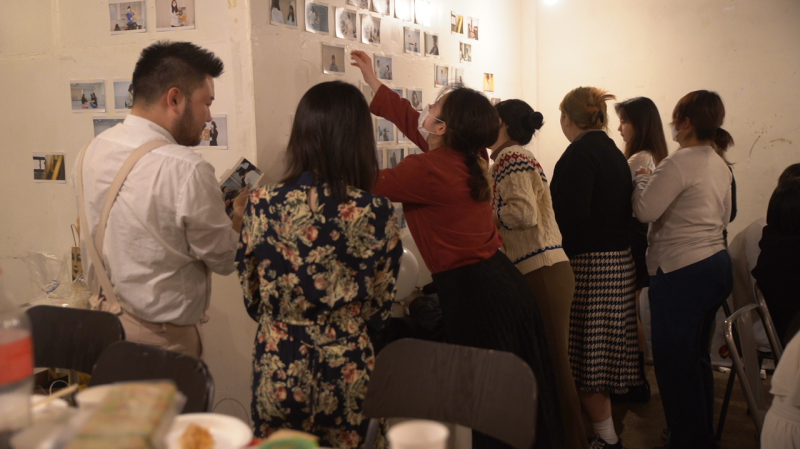
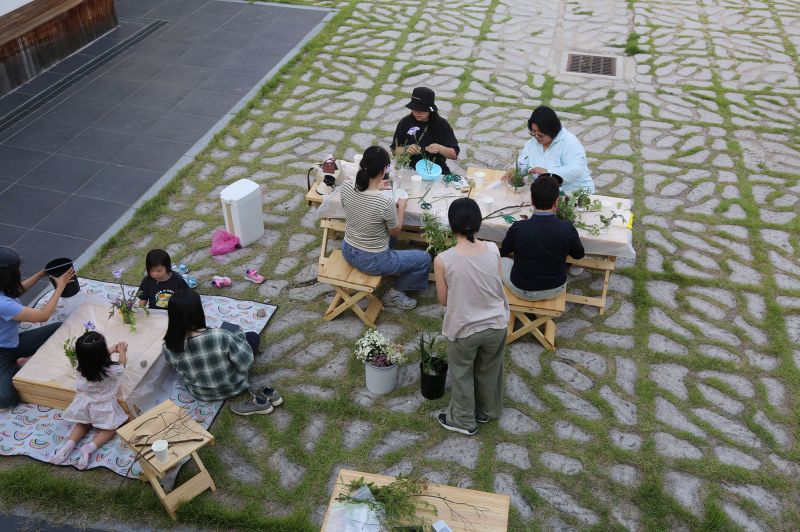
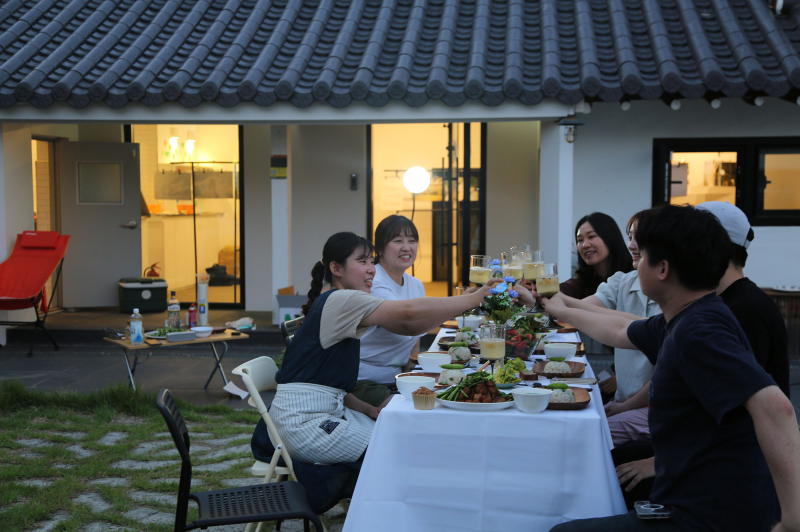
청년들이 내려와 무언가를 적극적으로 기획하니 지자체나 도시재생센터에서도 큰 관심을 보이며 찾아오고 있습니다. 마을 마당에 모여 동네 어르신들과 함께 영화를 보기도 하고, 직접 요리를 해서 포트럭 가든 파티를 열기도 합니다. 하드웨어만 지어놓고 카페 운영 같은 게으른 방식으로 방치되던 도시재생 공간이 주민 중심의 살아있는 공간으로 바뀐 것이죠. 이 프로젝트는 청년 문제 해결과 지역 인구 소멸 위기 극복이라는 두 가지 목표를 정교하게 묶어가고 있습니다.
사각지대와 사회적 이슈를 예술 프로그램을 통해 풀어간다
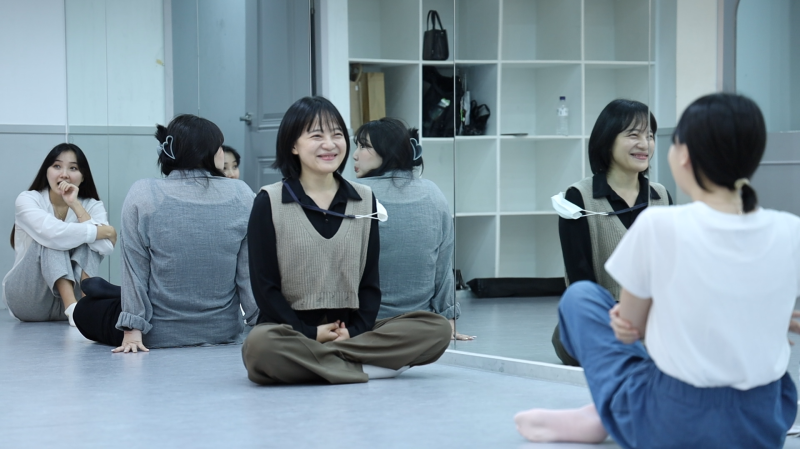
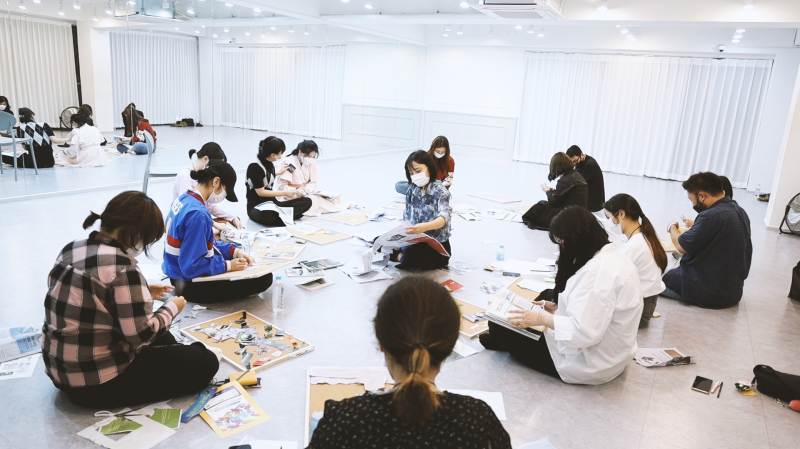
282북스는 원래 중도입국 청년들, 이주배경 청년들과 뮤지컬 및 퍼포먼스를 만들고, 자살 시도 경험이 있는 청년들과 소통 프로젝트를 진행하는 등 다양한 사회적 사각지대를 다뤄왔습니다. 암 경험자들과의 패션쇼, 결혼 이주 여성들과의 영화 제작, 펫로스 증후군을 겪는 분들, 폐지 수거 어르신들과의 작업 등 정말 다채로운 이슈를 예술 프로그램으로 풀어내는 것이 저희의 본업이었습니다.
그런데 지난 5년 동안 탈가정 이슈에만 매달려왔고, 하나의 이슈에 너무 오래 집중하다 보니 다른 중요한 사회적 문제들을 놓치는 아쉬움이 있었습니다. 그래서 내년 4월까지 탈가정 이슈를 사단법인으로 독립할 비영리 단체(52헤르츠 고래들)로 완벽히 이관하는 작업을 마무리지으려고 합니다. 이관이 마무리되면, 282북스는 원래의 정체성대로 돌아가 내년부터 또 다른 새로운 사회적 이슈와 사각지대를 발굴하고 예술을 활용한 프로그램을 새롭게 시작할 계획입니다.
사회적 임팩트의 객관적 증명을 시도한다
사회적 기업이나 비영리 단체가 가장 어려워하는 지점이 바로 성과, 즉 사회적 임팩트를 객관적으로 증명하는 일입니다. 282북스에게도 정말 어려운 지점입니다. 공공이나 대기업의 지원 사업은 대개 1~2년 단발성으로 끝나는데, 문화 예술이나 청년 자립 활동은 오랜 시간 지켜봐야 성과가 나옵니다. 게다가 저희가 마주하는 성과는 대부분 정성적입니다. ‘아이의 눈빛이 초롱초롱해졌다’는 변화를 숫자로 환산해 보고서에 담을 수는 없으니까요. 매번 뻔하게 진행되는 만족도 조사도 큰 의미가 없다고 느꼈습니다.
그래서 저희는 작년부터 우리 단체만의 고유한 임팩트 측정 과제를 설계하기 시작했습니다. 단순히 몇 명이 참여했는지가 아니라, 개인이 얼마나 자립을 이행했는지를 객관적으로 체크하기 위해 자립준비 체크리스트를 만들어 1년마다 추적 검사를 진행하고 있습니다. 최근 모집을 시작한
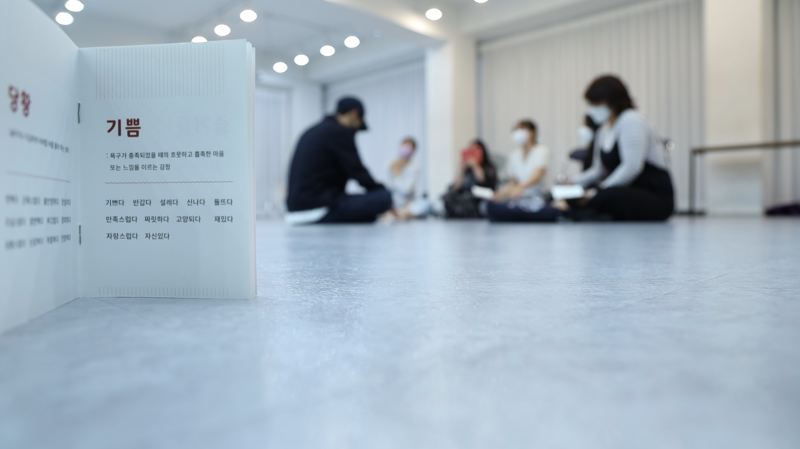
프로젝트가 핵심적인 역할을 할 것입니다. 탈가정 청년 50명을 뽑아 매일 아침 이부자리 정리하기, 산책하기 같은 아주 사소하지만 중요한 일상 루틴을 형성해주고, 고립 모드에서 자립 모드로 전환하는 10여 개의 클래스를 제공합니다. 이 과정에서 참여 청년 당사자가 이 루틴들이 자신에게 어떤 변화와 도움을 주었는지 직접 보고서 형식으로 기록하게 합니다. 당사자들이 직접 써 내려간 이 솔직한 기록들은 우리 사회의 청년 지원 프로그램이 실제로 어떤 효과를 내는지 증명하는 훌륭한 연구 자료이자 객관적인 임팩트 문서가 될 것입니다. 그러면 282북스의 활동이 단순한 수혜 프로그램을 넘어 하나의 지속 가능한 정책 모델로 확장될 수 있을 것이라 기대합니다.
인터뷰, 편집 정소익
A Project to Support the Regional Settlement of Out-of-Family Youth: 52-Hertz Whales Following a period of meticulous preparation, we established a non-profit unincorporated association in Namwon, with the long-term goal of transitioning into an incorporated association. It is named "52-Hertz Whales." While ordinary whales communicate at a frequency of 20 to 25 Hz, there exist the loneliest whales in the world that sing at a uniquely high frequency of 52 Hz, preventing them from communicating with other whales. We named our initiative after these whales because the way society fails to listen to out-of-family youths, despite them clearly raising their own voices, closely mirrors their reality.
Our core mission is to help out-of-family youth—who have lost their competitive edge in cities and face housing crises—settle stably in regional areas. Currently, we operate three spaces in Namwon: two residential houses and one community hub. We provide various self-reliance support programs to help these young people directly relocate, live, and adapt to the local region.
After leaving their homes, out-of-family youth often have nowhere to go, bouncing around between tiny studio rooms (goshiwons), 24-hour cafes, and public bathhouses (jjimjilbangs), leaving them highly vulnerable to homelessness. Consequently, they surprisingly show little resistance to relocating their living environments to different regions. In fact, they psychologically feel safer and actually prefer distant regions where the violence or negative influence of their original families can be completely severed. However, because these individuals have grown up entirely in urban environments, the biggest barrier was that they had never even imagined a regional life as a viable option. Therefore, we showcase peer modeling by introducing them to fellow youths who have already relocated and are thriving in the area, helping them dream that "I, too, can achieve something in this region."
Empowering Youth and Transforming Local Communities
Although it has only been a short span of one year, a multitude of noticeably positive transformations have taken place. We had a fellow who, while in Seoul, suffered from severe lethargy and had no direction for the future. After moving down to Namwon, he became a completely different person. When we entrusted him with the role of a local community organizer and gave him the confidence by saying, "You bring people together and take responsibility for the community in this region," he took on immense responsibility, leading to faster execution and remarkably improved self-sufficiency.
As the youth actively design and implement various initiatives, the local government and urban regeneration centers have shown great interest and are actively visiting us. The youth gather in village courtyards to watch movies with local elderly residents and host potluck garden parties with dishes they cooked themselves. Urban regeneration facilities, which were previously left neglected under passive management like simply running a cafe, have been revitalized into living spaces centered around residents. This project intricately bridges two critical objectives: resolving youth crises and overcoming regional depopulation.
Addressing Blind Spots and Social Issues Through Arts Programs
Originally, 282books engaged with a wide spectrum of social blind spots. Our core business involved creating musicals and performances with immigrant and immigrant-background youth, conducting communication projects with youth who have attempted suicide, organizing fashion shows with cancer survivors, producing movies with female marriage immigrants, and working with individuals suffering from pet loss syndrome or elderly cardboard collectors.
However, over the past five years, we have poured our focus exclusively into the issue of out-of-family youth. Concentrating on a single issue for so long left us with the regret of missing other critical societal challenges. Therefore, by April of next year, we aim to complete the process of fully transferring the out-of-family youth portfolio to the non-profit organization (52-Hertz Whales) that will spin off as an independent incorporated association. Once this transition is finalized, 282books will return to its original identity starting next year, discovering new social issues and blind spots, and launching fresh programs driven by the power of art.
Attempting to Objectively Demonstrate Social Impact
The most challenging aspect for social enterprises and non-profit organizations is objectively proving their performance—that is, their social impact. This remains a demanding task for 282books as well. Support projects from the public sector or large corporations typically end as one-to-two-year one-off initiatives, whereas cultural arts and youth self-reliance activities require long-term observation to bear fruit. Furthermore, most of the outcomes we witness are qualitative. We cannot simply quantify the change of 'a child's eyes lighting up with hope' into numbers for a report. We also felt that conventional satisfaction surveys yielded little meaningful insight.
Consequently, since last year, we began designing our own unique impact measurement framework. Rather than simply counting headcount participation, we developed a self-reliance readiness checklist to conduct annual follow-up tracking, objectively measuring how well an individual is transitioning into independence. The recently launched project
Dashi-junbi Lab (Re-preparation lab) will play a pivotal role in this. We select 50 out-of-family youths to help them establish minor yet crucial daily routines—such as making their bed every morning or taking walks—while providing around ten classes designed to shift their mindset from "isolation mode" to "self-reliance mode." Throughout this journey, the participating youths directly document in a report format how these routines have transformed and aided them. These honest records, written by the stakeholders themselves, will serve as excellent research data and objective impact documentation proving the actual effectiveness of youth support programs in our society. Through this, we anticipate that the activities of 282books will transcend being mere beneficiary programs and expand into a sustainable, scalable policy model.
Interview, edited by Soik Jung
English translated by Gemini Pro