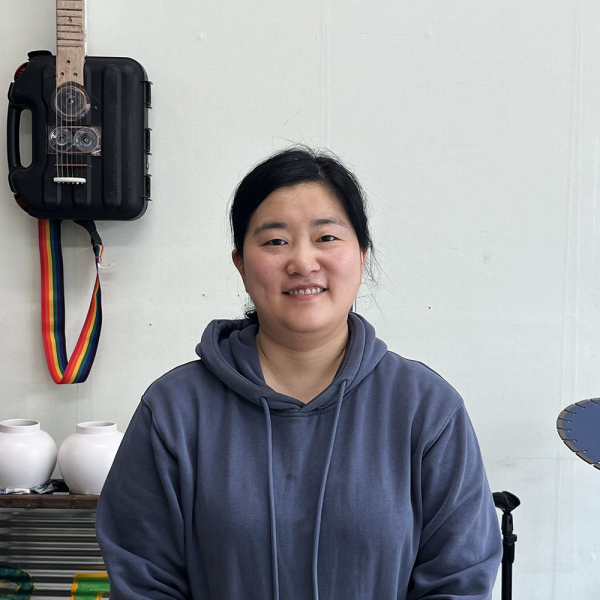
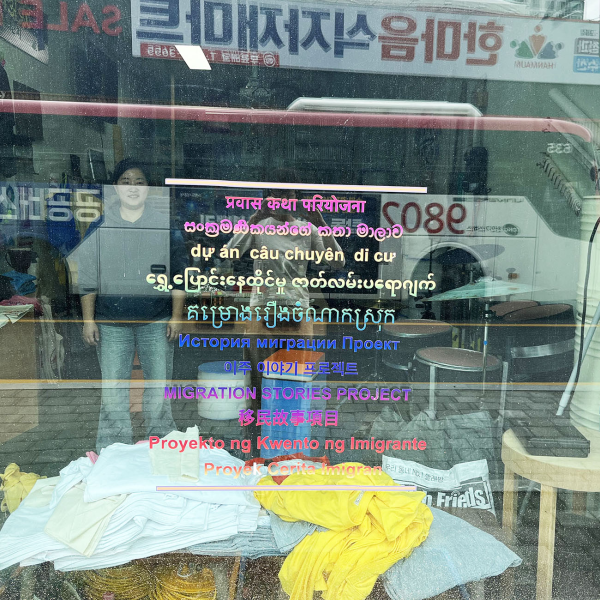
저는 서울에서 예술대학을 졸업하고 한동안은 서울에서 작업했었습니다. 세운상가에 작업실이 있었고, 여러 작가와 함께 공간을 운영하기도 했었어요. 그러다 몇 년 전에 부모님이 은퇴하시고 화성으로 이사하실 때 저도 함께 왔습니다. 예술가로 살다가, 연고가 전혀 없고 알지 못하는 화성에 와서 부모님 일을 도우면서 지내게 된 것이지요. 처음에 화성에 왔을 때는 아주 힘들었습니다. 나에게 익숙한 예술과 예술 인프라는 다 서울에 있었기에 화성에 적응하지 못했고 여전히 서울에서 여러 일을 하고 있었거든요. 화성으로 내려오면서 내가 예술을 그만 둘까봐 불안도 있었고, 우울증 같은 것도 심하게 겪었어요. 그리고 저와 같은 나이 또래의 친구들 결혼을 한 가정이거나 친구들이 화성에는 거의 없었어요. 그래서 화성에서 서울로 거의 매일 다녔고, 자연스레 ‘통근’, ‘이동’에 관심을 두게 되었습니다.
그러다 코로나19 사태가 벌어지고 이동이 어려워지다 보니 자연스럽게 주변이 더 보이기 시작했습니다. 화성에 많은 산업단지와 공장, 거기에서 일하는 이주민들. 멀리서 온 이웃들이죠. 이들의 ‘이주’가 ‘이동’과 연결된다는 생각이 들었습니다. 그래서 이주민들과 만나기를 시도했습니다. 마침, 집 앞에 있는 외국인복지센터 선생님들에게 물어보았더니 흔쾌히 주변의 좋은 친구들을 소개해 주었어요. 고립되어 있다가 누군가를 만나고 이야기를 하고 듣고 나누는 경험들이 조금 저를 나아지게 하고 지역을 다시 바라보게 했습니다. 그렇게 이주 이야기 프로젝트를 시작하고 지금까지 이어지고 있습니다.
국내에 거주하는 외국인 주민들 중에는 중국 동포가 가장 많고 중앙아시아에서 온 고려인분들도 계시고요. 화성도 비슷하고요. 네팔, 베트남 출신 외국인 주민들도 있고 화성에 태국 사원이 있어서 태국출신 이주민친구들도 많이 있어요. 아시아 계열이 많습니다. 화성에서 살아가는 외국인 친구들은 대부분 공장에서 일하고, 많은 경우가 남성입니다. 사실 화성에는 문화적으로 재미있게 할 수 있는 것들이 적어서 다양한 문화 예술을 경험하고 즐길 수 있는 기회가 많이 없는 것 같아요. 그래서 무언가 재밌는 것들을 지역에서 공유해주면 좋겠다고 생각하고 있어요. 2025년에는 스리랑카, 필리핀, 네팔 커뮤니티 등과 같이 만나고 놀았고, 올해는 태국 친구들도 만났어요. 그렇게 네트워크를 만들고 있어요. 여러 커뮤니티를 섞어서 하면 좋겠지만 소통과 언어의 한계가 있어서 나누어서 진행하고 있습니다. 다 섞이면 그냥 한 공간에 있는 것 뿐 교류자체가 적거나 혹은 보여주기에 맞춰서 행사가 진행되기도 하는 것 같아요. 그래도 다행인 건 커뮤니티마다 한국어를 잘하는 리더라고 불리는 친구들을 한 두 명 알고 있어요. 가끔 친구들에게 본국의 언어를 조금 배우게 되기도 해요.
저는 외국인 주민들과 우리 공간이 존재하는 시간 동안은 서로가 발전을 함께 할 수 있는 관계가 되었으면 좋겠어요. 한쪽만 희생해 나가는 관계 말고요. 가끔은 외국인 친구들에게 우리가 조금 교류하고 서로 보완한다면 더 좋은 시너지가 날 것 같은데, 외국인 친구들은 현업에 너무 바쁘기도 하고, 한국 사람들과 지향하는 바와 생각하는 바가 다른 부분도 있어서 마음같이 안되는 경우가 많습니다. 우리는 다른 문화의 배경에서 자라왔고 좋아하는 게 다르고, 문화 예술에 대하여 이해하는 과정이나 예술행사의 시스템 및 준비 과정 등 현실적으로 다른 부분들이 많으니까요. 요즘은 문화가 다른 것을 넘어서 소통하고 이해하는 것이 생각보다 쉽지 않다는 것을 몸으로 경험하고 있습니다. 창작자로서 지향하는 목표까지 끌고 나아가야 할지, 그냥 더 관계를 돌봐야 할지 어려운 경우도 많고요. 하지만 이 과정들이 저에게는 여전히 의미 있는 일이고, 그 속에서 배워가는 부분도 있는 것 같아요. 문화가 다른 외국인 주민들과 함께 교류하면서 다른 문화의 것들이 섞이면서 독특한 것들이 만들어 지면 좋겠고 그러려면 함께 재미있는 아이디어를 끌어내는 과정들이 중요한 것 같아요. 단편적으로 끝나는 체험이 아니라 예술의 과정을 함께 하는 것이요. 과정이 재미있으면 좋겠습니다. 꿈 이나 소망 같은 것을 이야기 하고, 서로 다른 문화의 것들을 섞고 융화시키면서 독특하고 다양한 것 가능한 것들을 만들어 내기도 하면 좋겠어요.
작년에 했던 프로젝트 중에 페스티벌 <홈 사운드 데이>가 굉장히 재미있었습니다. 네팔 친구들과 만나서 함께 했었는데 집과 사운드라는 주제를 가지고 서로 교류하는 사운드 중심의 페스티벌이었어요. 토크, 공연이 있었고, 전시와 사운드 워크숍, 마이크 워크숍 등이 있었습니다. 올해에는 태국 친구들과 또 다양한 형태로 페스티벌을 진행할 것 같아요.
그럼에도, 요즘 사실 고민이 많아졌습니다. 2020년부터 이 프로젝트를 해왔는데 지금까지는 프로젝트 하나 끝날 때마다 너무 기쁘고, 외국인 주민들과 교류하고 함께 무언가 할 수 있어서 정말 좋았습니다. 몇몇 경우에는 내가 원하는 목표까지 안 가더라도, 의미가 있다고 생각해서 계속해 왔어요. 그런데 요즘은 내가 잘하고 있는 것인지 생각해보게 되고 그럼에도 불구하고 좀 더 하고싶은 것들을 도전해보고 싶다는 생각도 강해지고 이런 저런 생각이 많아졌습니다. 외국인 이웃들과 관계에 관해 서로에 대해 생각하는 바가 다른 게 느껴질 때가 있습니다. 저는 같은 창작자로서 외국인 친구들과 함께 옆에서 작업하면서 함께 상생하고 시너지를 일으키는 콜라보레이션하는 창작자라고 생각하는 경우가 큰 데 어떨 때는 원하는 데로만 주장하거나, 혹은 이와 반대로 예술이 아니라 그냥 일처럼 생각한다던 가 가끔 우리 공간을 단순히 스폰서처럼 생각하는 경우도 있어요. 생각해보면 제도, 프로젝트, 문화예술의 체계들이나 시스템이 각국에서 생각하는 보편적인 것들이 한국의 경우와 매우 다르기도 하고, 일을 진행하는 방식부터 사람들과 관계 맺는 방식도 모두 달라서 생기는 지점인 것 같아요. 그래서 많은 경우 오해가 생기기도 하고, 서로 의미나 이유를 정확히 이해하지 못하고 진행하는 느낌이 있을 때도 있습니다. 어쩌면 언어와 문화 생활방식이 다르고 우리가 살아온 배경이 다르니 소통이 어렵고 이해가 불가능한 것이 당연하다는 생각도 들어요. 그럼에도 이 모든 것들 속에서 어떻게 해야 협업의 동력을 어떻게 만들 수 있을지 고민하고 있습니다. 어쩌면 외국인 주민 커뮤니티를 연결해주는 중간자, 긴밀하게 협업할 수 있도록 돕는 커뮤니티의 리더들이 중요하지 않을까 느껴지기도 해요. 어떻게 하면 외국인 주민들이 프로젝트의 주체로서 서로 성장할 수 있는 관계가 가능할지, 예술 프로젝트를 할 수 있을까 고민하고 있고요. 가능하다면 외국인 친구들과 함께 콜라보레이션해서 함께 성장할 수 있는 좋은 선례들을 만들어보고 싶어요.
인터뷰 정소익
편집 김양우, 정소익
Discovering My Neighborhood: Beginning the Migration Stories Project
I graduated from art school and worked in Seoul. I had a studio in Sewoon Plaza and participated in collective activities with various artists. Then, a few years ago, when my parents retired and moved to Hwaseong, I went with them. I had been living as an artist, but I ended up living in Hwaseong—a place where I had absolutely no connections and knew nothing—helping my parents with their work. It was very difficult at first. I couldn't adapt to Hwaseong because the art and art infrastructure I was familiar with were all in Seoul, and I was still working various projects there. I was anxious that I might quit art, and I also suffered from severe depression. Furthermore, most of my friends of the same age were married or had no friends in Hwaseong. I commuted between Hwaseong and Seoul almost every day, and I began to take an interest in the concept of “commuting” and "movement."
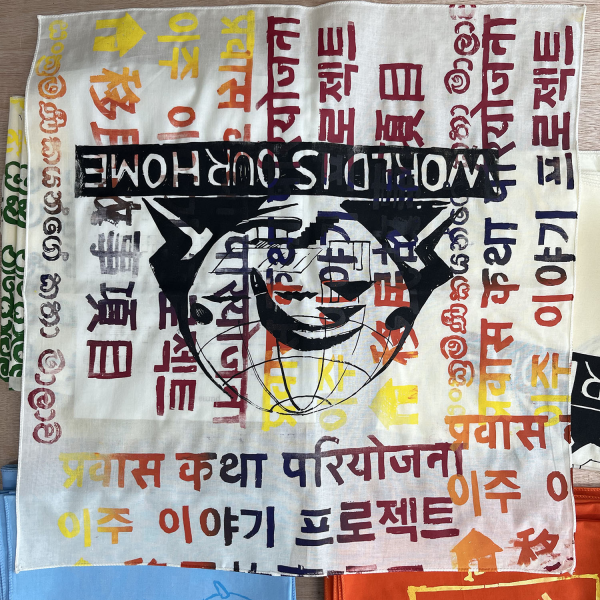
Then, when the COVID-19 pandemic broke out and travel became difficult, I naturally started to notice my surroundings more. Hwaseong is home to many industrial complexes and factories, as well as a large population of migrant workers. They are neighbors who have come from afar. I realized that their "migration" was connected to the concept of "movement." So, I attempted to meet with the migrant communities. Coincidentally, I asked the social workers at the Foreigner Welfare Center in front of my house, and they readily introduced me to migrants living in the neighborhood. After being isolated, meeting people, talking, listening, and sharing experiences brought me a sense of relief and allowed me to see the region in a new light. That is how I started the Migration Stories Project, which continues to this day.
Connecting with the Regional Context of Hwaseong
Hwaseong has a large number of ethnic Koreans from China as well as Koryo-saram, and there are Nepalese and Vietnamese, and also many Thais due to the presence of Thai temples. There is a large Asian population. Most of them in Hwaseong work in factories, and they are almost all male. In fact, there are relatively few culturally engaging activities available in Hwaseong, and opportunities to experience and enjoy diverse cultures and forms of art remain limited. So we would like to share interesting experiences and activities within the neighborhood. We met and interacted with communities from Sri Lanka, Thailand, and Nepal in 2025, and with Thais this year. That is how we are building networks. It would be ideal to bring these various communities together, but due to language barriers, we are proceeding separately. When everything is mixed together, it often seems that people are merely occupying the same space with little interaction, and the event can end up becoming more of a showcase than a meaningful exchange. Fortunately, however, each community has one or two members who speak Korean well. Sometimes I learn a little bit of their languages.
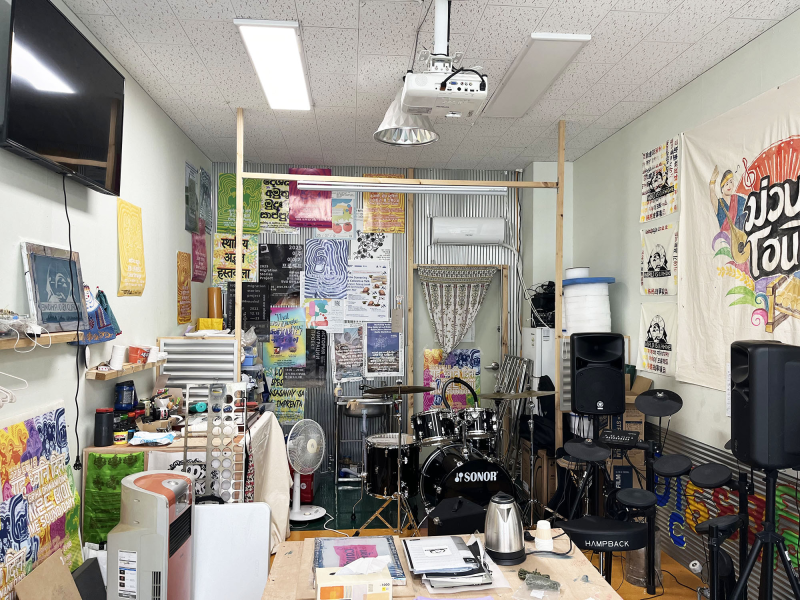
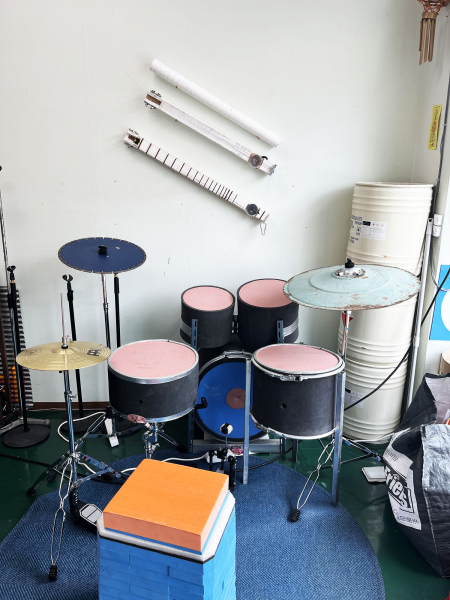
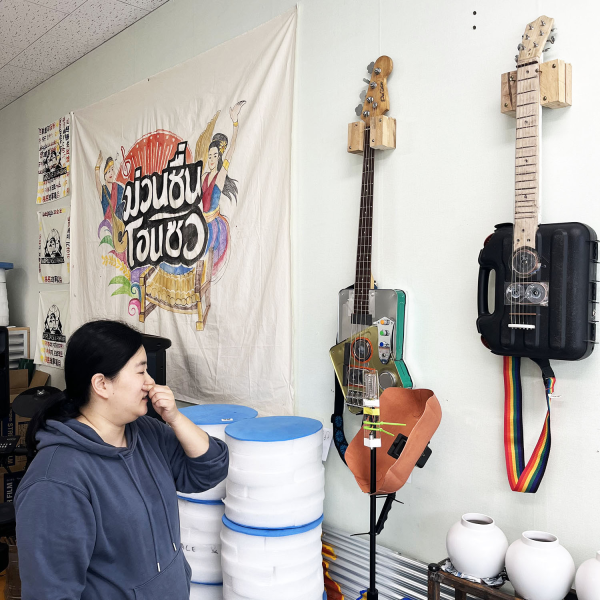
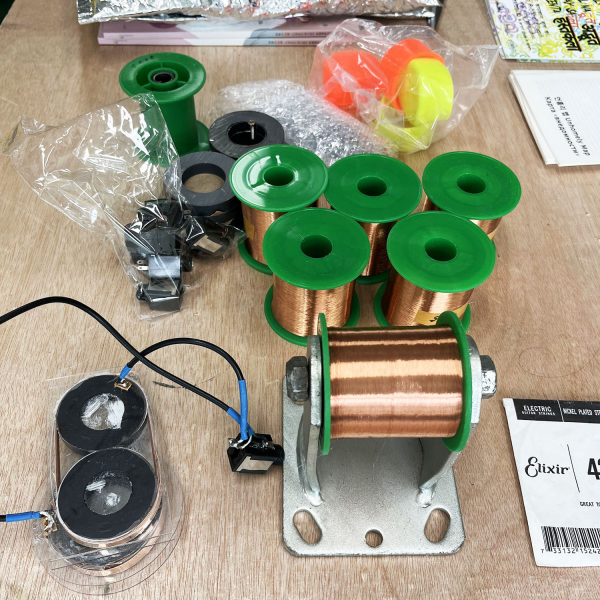
I think Hwaseong has many interesting local aspects, but it seems they have not been sufficiently explored or interpreted through art. One such aspect is the “factory,” and I have been continuously seeking ways to engage with this defining feature of Hwaseong. It is where the migrant communities live and work, as I do, and I hope to be of some help to them. The drums and chairs here were made together using waste materials brought from a foam factory, and we made them together. The guitar was also made using materials from the factory. I learned how to make pickup coils for guitars from Dr. Cha Kwang-soo, with whom I have had a connection since my time at Sewoon Plaza. Sewoon Plaza is an urban manufacturing complex, and while Hwaseong differs in scale and the products it manufactures, it is also a regional industrial manufacturing complex. I believe it would be beneficial to plan diverse events that foreign and local residents rarely get to experience in regions with limited cultural and artistic infrastructure, or to create forms of art that introduce the region by capturing its unique sense of place. Recently, the
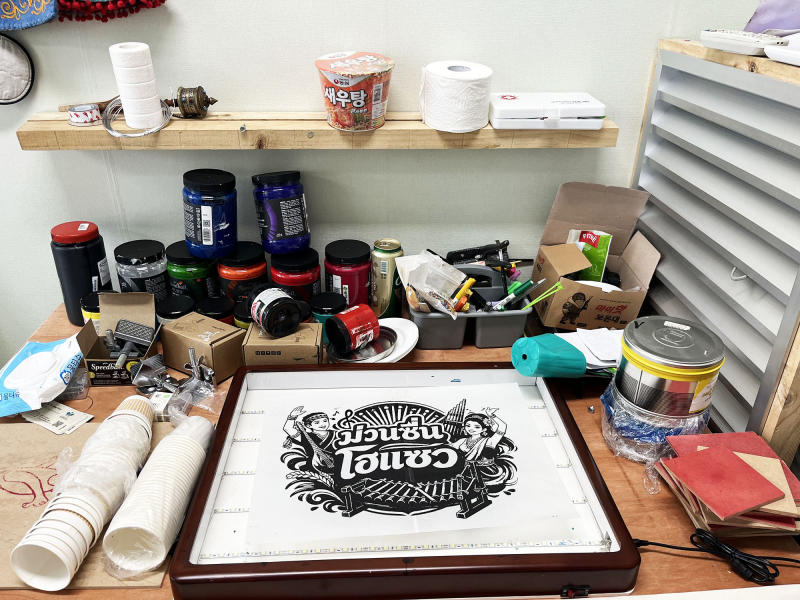
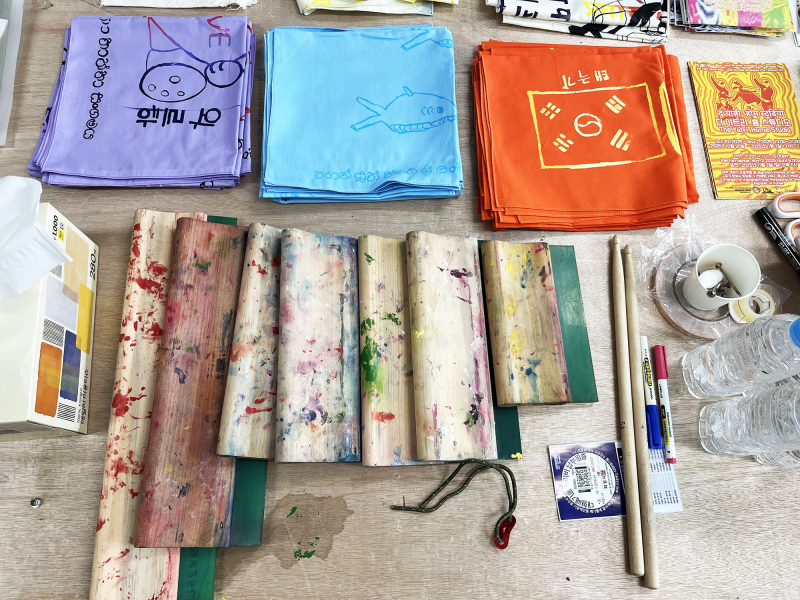
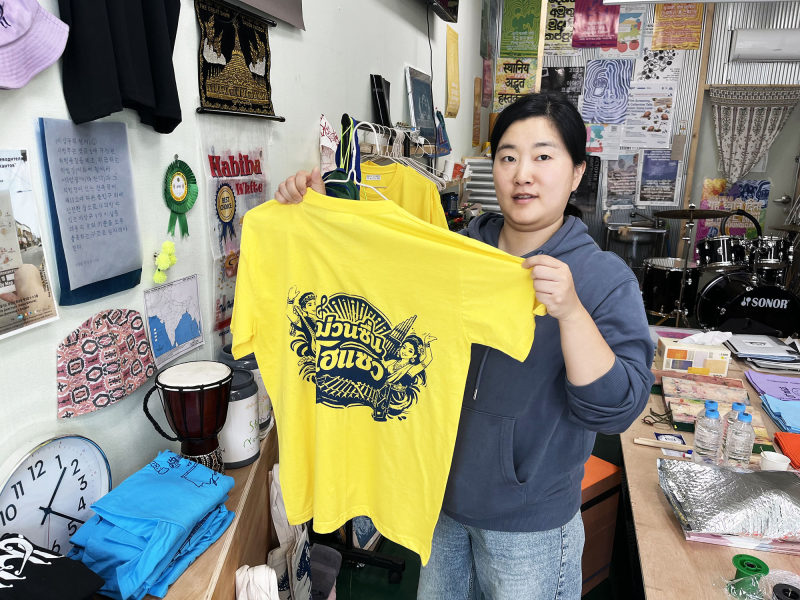
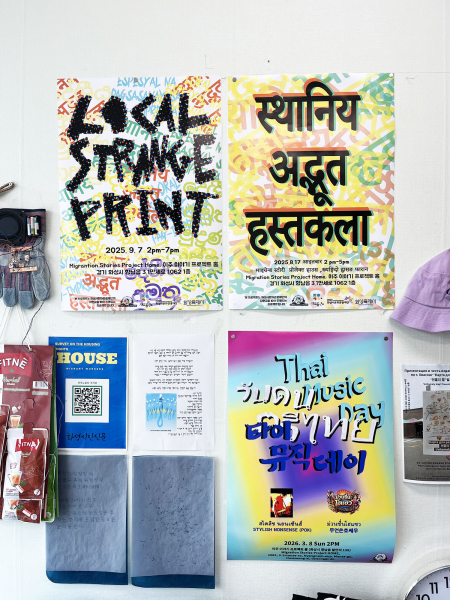
Local Strange Print Shop program, curated by artist
Hyunjin Shin, has been taking place in the space. It is a hands-on activity that is enjoyable, and it is a program where a community of foreign residents can make and wear T-shirts together and learn silkscreen printing. People tend to find media art or technical work a bit challenging, but rather than the recent trend of workshops focused solely on producing photo opportunities and visually appealing results, I want to create meaningful, process-oriented workshops where participants can learn together. I want to reach new audiences and show them that such events are possible in the region.
A Process Created Together by Different People
I hope that for as long as this space exists, we can build a relationship with international residents where we can grow together, rather than one where only one side makes sacrifices. Sometimes I feel that if we interacted more with our international friends and complemented each other, we could create better synergy. However, things do not always go as planned, as many participants have demanding work schedules and bring different priorities, experiences, and perspectives to the project. We grew up in different cultural backgrounds, have different tastes, and there are many practical differences, such as our differing approaches to culture and the arts, as well as our familiarity with the systems and planning processes involved in arts events. Lately, I have been experiencing firsthand that communicating and understanding across cultural differences is more difficult than I thought. There are many times when I struggle to decide whether to push forward to achieve my goals as a creator or simply focus on maintaining relationships. Nevertheless, these processes remain meaningful to me, and I feel I am learning a lot in the process. I hope that through interaction with international residents from different cultures, elements of different cultures can blend to create something unique. To achieve this, I believe the process of drawing out interesting ideas together is crucial—not just one-off experiences, but a shared artistic journey. I hope the process itself is enjoyable. I hope we can talk about hopes and dreams, and create unique and diverse possibilities by mixing and harmonizing elements from different cultures.
Among the projects I worked on last year, the music festival Home Sound Day, which I created with a Nepalese band in Korea, was incredibly fun. It was a project that fostered mutual exchange based on the themes of home and sound. There were talks and performances, as well as exhibitions, sound workshops, and microphone workshops. This year, I am conducting the event with friends from Thailand.
Thoughts on True Collaboration
Nevertheless, I have been grappling with many concerns lately. I have been working on the
Migration Stories Project since 2020. Until now, I was so happy whenever we completed a project, and I truly enjoyed being able to help them. I continued because I believed it was meaningful even if we didn't reach my desired goals. However, I have now started questioning whether I am doing things properly. Despite that, I feel a strong desire to pursue the things I would like to do, and I have been deeply reflective. There are times when I sense that my foreign friends and I have different perspectives on our relationship. As a fellow creator working alongside them, I tend to view them as collaborators who coexist and create synergy. However, there are times when they insist only on what they want, or conversely, treat it as just work rather than art, or occasionally view our space simply as a sponsorship. Come to think of it, I believe these differences arise because the institutions, projects, and systems of culture and arts held by each country differ significantly from those in Korea. Furthermore, working styles and approaches to building relationships vary considerably. Consequently, misunderstandings frequently occur, and there are times when it feels like we proceed without fully understanding the meaning or reasons behind things. Perhaps it is only natural that communication can be challenging and mutual understanding difficult when we come from different linguistic, cultural, and social backgrounds. Nevertheless, I am contemplating how to generate the momentum for collaboration amidst all of this. I also feel that intermediaries connecting migrant communities and community leaders who help facilitate close collaboration are important. I have been thinking about how to build relationships that enable international residents to become active participants in the project and grow together with us, and how we can develop art projects that fosters this kind of engagement . If possible, I would like to collaborate with international friends to create a positive model for mutual growth.
Interview by Soik Jung
Edited by Yangwoo Kim, Soik Jung
English editing by Alice S. Kim